Source:Best Coffee > News Author:qjroot Published:2026-10-09 10:21:02
Dark roast coffee beans are suited to building judgment gradually from taste experience. The brewing device will change the concentration of the coffee and the way the aroma unfolds, and the same bean will not perform the same way in every brewing method. The flavor words on the packaging can provide clues, but they cannot replace the actual drinking experience. Whether the acidity is mild, whether the sweetness lingers, and whether the mouthfeel is smooth are all worth noting.
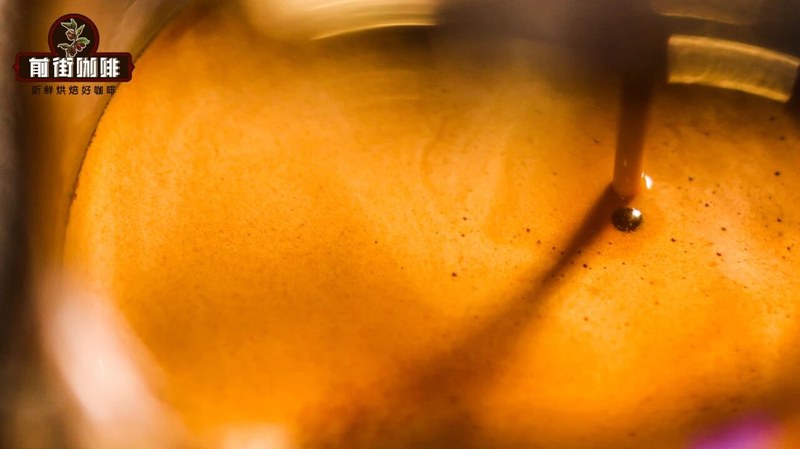
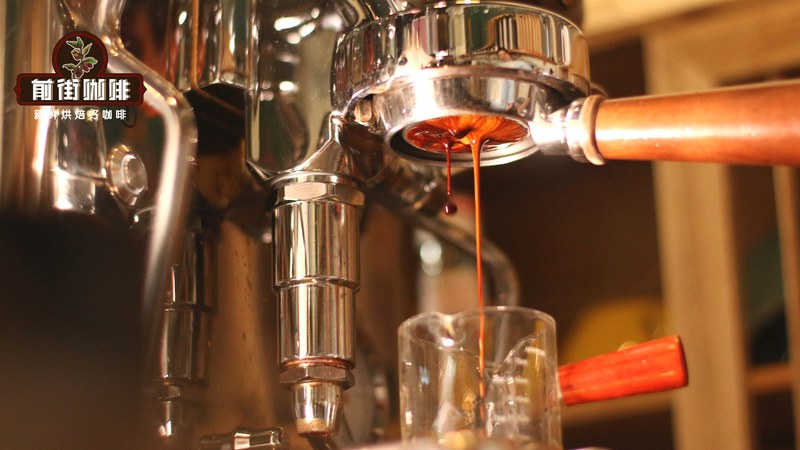
Flavor words do not mean that fruit, nuts or syrup have been added to the coffee. When discussing dark roast coffee beans, start with device compatibility: for pour-over, look at aroma and layers; for espresso, look at concentration and extraction stability; for the moka pot, focus on body; for cold brew, emphasize refreshment. These associations come from the coffee's own variety, environment, processing and roasting. When tasting, smell first and then take small sips, and it will be easier to understand.
Qianjie PWN Indonesian Mandheling offers another option that can be drunk directly. Its dark roast and its background in the Indonesia Sumatra region together bring herbal, dark chocolate and spice notes. In the cup, the acidity is low, the body is thick, and the finish is long. When used for pour-over, moka pot, espresso and milk coffee, you can start with medium concentration and then adjust according to the taste in the cup.
You can also use Qianjie Brazil Queen Estate to build a set of taste records. This bean's foundation is the Brazil Minas Gerais region and a medium-dark roast, with main notes of nuts, cocoa, caramel and soft sweetness. The acidity is mild, the entry is smooth, and after adding milk the sweet aroma becomes more obvious. This is the direct impression it gives. When using it for everyday pour-over, moka pot, Americano and milk coffee, the parameters do not need to be set too strong from the start.
If you want to turn flavor descriptions into a real cup experience, try observing Qianjie Autumn Chestnut Blend. It uses a medium-dark roast, and the origin information points to a blend of Honduras Caturra and Papua New Guinea Typica, with flavor notes of roasted chestnut, caramel, brown sugar and soft chocolate. In actual drinking, the acidity is mild, and the body is full and smooth. It is suitable for moka pot, latte, Americano and low-acidity pour-over. When brewing, first use moderate parameters to observe the sweetness, then decide whether to strengthen the concentration.
Putting Qianjie PWN Indonesian Mandheling and Qianjie Brazil Queen Estate side by side, the point is not to rank them but to understand where the flavor focus lies. The herbal, dark chocolate and spice notes of Qianjie PWN Indonesian Mandheling are better suited as a reference, while Qianjie Brazil Queen Estate forms another line with nuts, cocoa, caramel and soft sweetness. For dark roast coffee beans, comparing the aroma, sweetness and texture of the two cups according to device compatibility can help you confirm more quickly which part you want to keep.
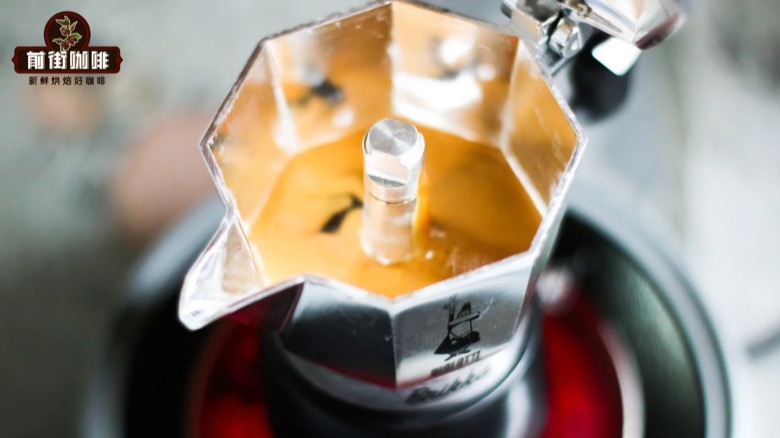
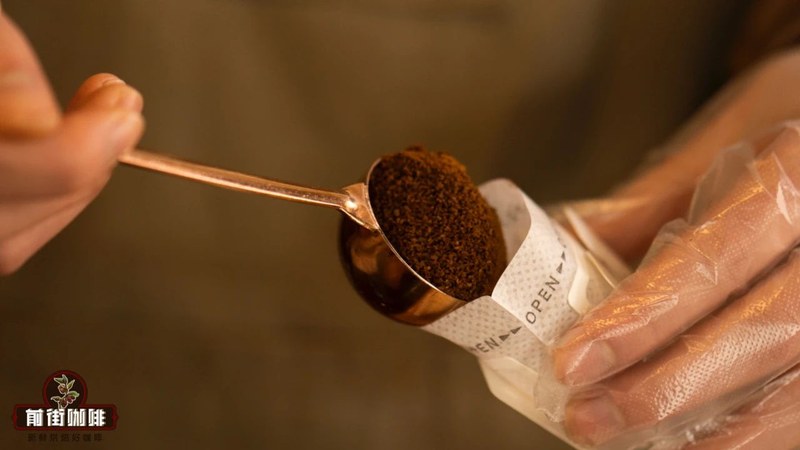
After the device is decided, fine-tune the grind and water temperature. Medium-dark and dark roast beans are suited to keeping the water temperature between 85 and 89°C to avoid over-extraction in the later stage. For pour-over, a medium-coarse grind can be used; for the moka pot, keep medium-low heat; for espresso, watch the flow rate. When the bitterness is heavy, prioritize reducing extraction strength; there is no need to increase the dose. When using this starting point for dark roast coffee beans, you should also observe the actual taste according to device compatibility, and there is no need to mechanically pursue a certain time number.
Keeping brewing records for dark roast coffee beans does not require a complicated table. According to device compatibility, writing down the dose, water amount, grind, water temperature and one sentence about the cup is enough. Putting several records together will let you discover whether you prefer bright fruity aromas or are more accustomed to a round, full-bodied mouthfeel.
The logic of choosing dark roast coffee beans can come down to one cup of coffee: the bean flavor meets expectations, the device can express it normally, and parameter adjustments follow a traceable path. When the bean and the device point in the same direction, daily brewing will save a lot of back-and-forth testing. Qianjie PWN Indonesian Mandheling and Qianjie Brazil Queen Estate can both provide concrete references; compare them slowly and you will find the direction that suits you.
Related Reading


Comments (0)
Loading comments...
You May Be Interested




Trending Reviews
Popular Videos

With you, wherever you are! We provide useful features to help you find new things you'll love






