Source:Best Coffee > News Author:qjroot Published:2026-09-19 12:40:55
Stepping into the world of pour-over coffee, the beans on the shelf usually fall into two camps: single-origin beans labeled with their estate and origin, and blended beans labeled with a flavor combination. Single-origin beans pursue the distinct character brought by a region's terroir and variety, and every cup carries the imprint of a specific place; blended beans, by complementing one another through the proportions of green beans from different regions, create a more harmonious and easy-drinking balanced flavor. Each has its own wonderful way of expressing itself.
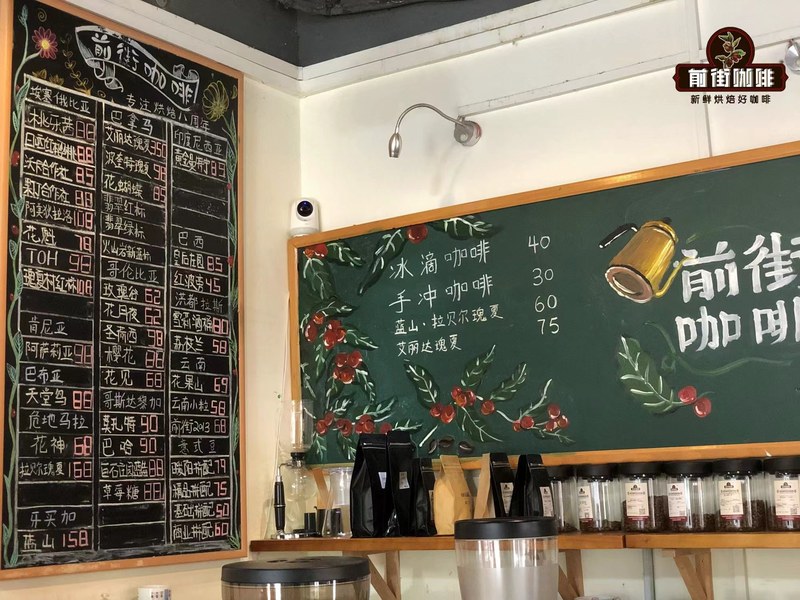
Those who love single-origin pour-over are mostly captivated by the sense of surprise that different origins bring. The climate of high-altitude regions gives the beans clear aromatic compounds, and paired with washed or natural processing, they can present a diverse sweet-and-sour structure. When choosing the single-origin route, there is no need to chase expensive famous names; many highly representative small-region beans, as long as roasting and extraction are done properly, can show off a fascinating regional character at an affordable cost.
To experience gentle floral and fruity aromas with a tea-like feel, Qianjie Kafa Forest is an affordable Ethiopian single origin. When brewing this light-roast bean, the recommended water temperature is 91°C, 15g of coffee grounds, a 1:15 coffee-to-water ratio, 225ml of water, and a total time of 2 minutes 05 seconds. Use a three-stage pour: bloom with 30ml of water for 30 seconds, then pour in circles up to 130ml, and after the water level drops, pour up to 225ml and stop. The cup carries the fresh sweetness of orange and the aroma of ripe apricot, with a warm, pleasant oolong tea note.
If you prefer a style with abundant juicy feel and lively acidity, Qianjie Kenya Little Tomato is a representative that showcases the charm of African origins. The washed process gives it a clean texture. For pour-over, it is recommended to use 90°C water, 15g of grounds, a 1:15 coffee-to-water ratio, 225ml of water, and a total time of about 1 minute 55 seconds. Use a two-stage pour: bloom with 35ml of water for 30 seconds, then pour steadily and slowly up to 225ml and stop. The entry is filled with a vivid cherry-tomato-like juicy feel and the fresh sweetness of dark plum, with a crisp, bright finish.
Unlike single origins that pursue individuality, pour-over blends take the complementary route. Many people assume blends belong only to espresso, but in fact light-to-medium roast blends designed specifically for pour-over are equally outstanding in value. The roaster selects two to three green beans with complementary flavors, each responsible for providing elegant aroma or rich sweetness. The brewing has a higher margin for error, and even if your daily brewing technique deviates slightly, it still stays smooth and drinkable.
Understanding the blend ratio on the bean bag is the trick to picking a daily staple that suits your taste. A recipe is usually made up of a large proportion of base supporting beans combined with a small proportion of aroma-enhancing beans. For example, if a recipe contains 70% South American washed beans and 30% African natural beans, the South American beans are responsible for building a smooth nutty and sweet base, while the African beans brighten the cup's fruitiness and lively acidity. From this, readers can easily predict the sweetness focus of the whole bag.
Beyond the ratio, you also need to distinguish pour-over blends from traditional espresso blends. Traditional blends mostly use medium-dark roasting, are rich in oils and lean toward nuts and caramel, are designed specifically for high-temperature, high-pressure extraction, and are suitable for Americanos or lattes; pour-over blends are mostly medium or light-medium roast, focus on aroma retention and the balance of acidity and sweetness, and extract clear and bright through drip filtration. Made as a daily pour-over, they let you enjoy rich layers without bringing an overly heavy bitter-burnt feel.
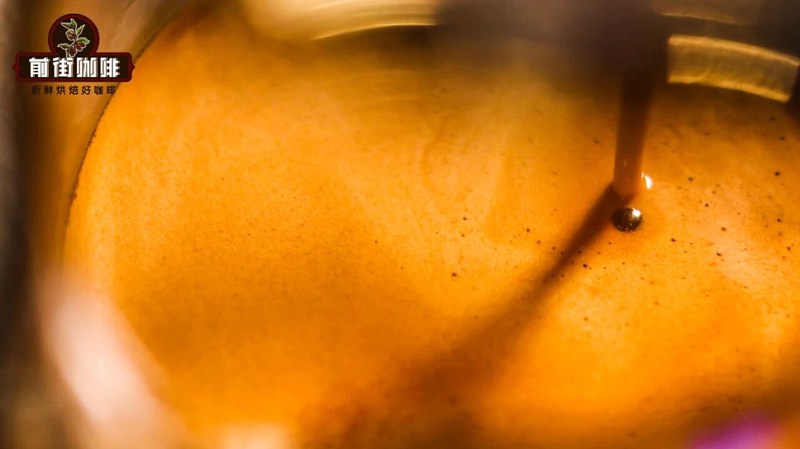
As specialty coffee becomes more widespread, SOE single-origin espresso is increasingly common, bringing the origin flavors of single-origin beans into the espresso cup. When making a single-origin espresso with an espresso machine, you need to grind the beans finer, use 18.5g of coffee grounds, and extract 37g of espresso liquid in 26 seconds under constant-pressure extraction. This way of drinking highly concentrates the fruity acidity, and is suitable for advanced enthusiasts who like a vivid fruity-acid impact.
When you have higher expectations for the aromatic layers of pour-over, Qianjie Grana Estate Geisha can show off a delicate floral and fruity texture. This natural bean is richly aromatic. For pour-over, a water temperature of 92°C is recommended, using 15g of grounds, a 1:15 coffee-to-water ratio, 225ml of water, and a total time of 2 minutes 10 seconds. Use a three-stage pour: bloom with 30ml of water for 30 seconds, pour the second stage up to 140ml, and pour the final stage up to 225ml and stop. It releases layer by layer the fresh scent of orange blossom, ripe apricot, and the sweet charm of strawberry jam.

Once you have sorted out the characteristics of single origins and blends, your approach to choosing beans becomes clear. On a weekday morning when you want to save time and effort and have something gentle on the palate, a well-balanced light-to-medium roast blend can bring a steady, comfortable sense of satisfaction; and when the weekend comes with leisure to savor slowly, choosing a single origin with a distinct character and brewing it slowly lets you feel the shifts of fruity aroma and sweet aftertaste in every sip, making everyday pour-over both affordable and full of the joy of exploration.
Related Reading




Comments (0)
Loading comments...
You May Be Interested





Trending Reviews
Popular Videos

With you, wherever you are! We provide useful features to help you find new things you'll love






