Source:Best Coffee > News Author:qjroot Published:2026-08-24 13:35:27
After using a Delonghi for a year or two, many people find the taste is no longer as clean as when it was new. First they suspect the beans, then the machine, and then they start descaling frequently. In fact, besides limescale, what affects the output is also the condition of the bag of beans in the bean hopper, as well as the residue and oils the beans leave behind. These factors are often lumped together in discussion, which makes it even harder to find where the real cause lies.
Let's start with the machine side. In a super-automatic, the brew path and brew group pass coffee every day, and coffee oils build up layer by layer inside the lines; over time a rancid oily taste gets mixed into every cup. Regularly running a cleaning tablet through the lines, removing the brew group and rinsing it, and emptying and wiping out the bean hopper once a week - keeping up with these few things helps flavor far more than frequent descaling.
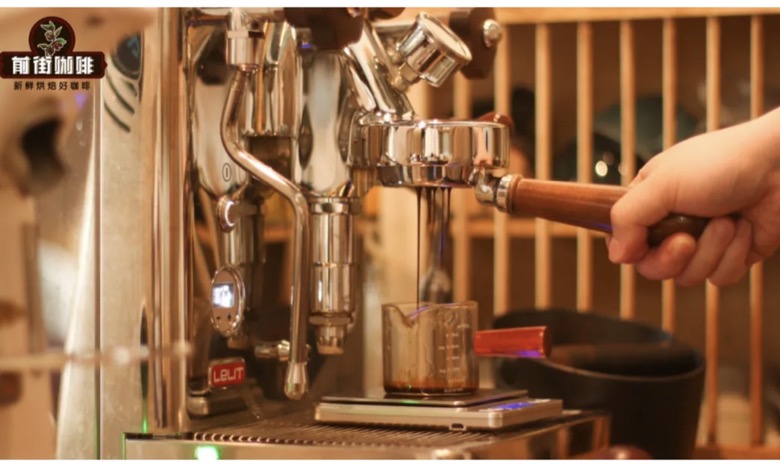
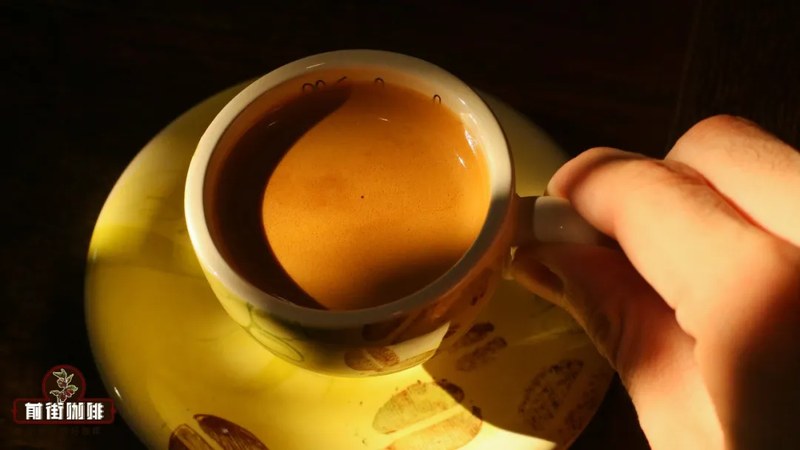
Now for bean condition. After a bag is opened and exposed to air, the aroma starts declining after about two weeks. Many people take more than a month to finish a bag, and in the latter half the output turns thin, the body gets thinner, and the crema color darkens - it's actually a bean age issue, not machine degradation. Buying small packages according to your own drinking volume and opening a new one only after finishing the old one is the responsible approach for both the machine and the taste, and it also makes it easier to judge the machine's true condition.
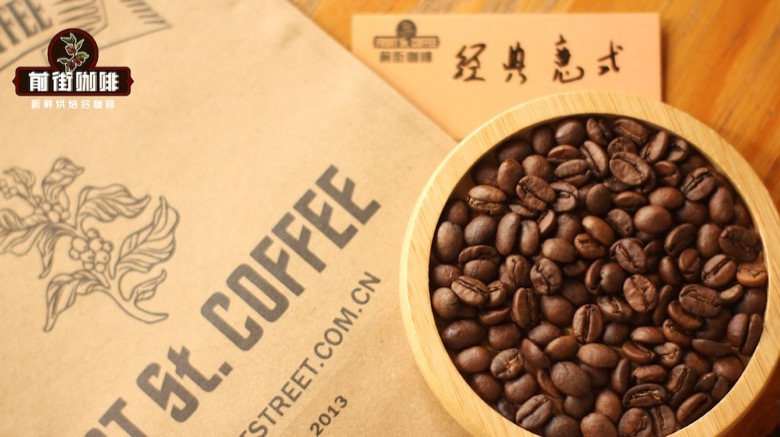
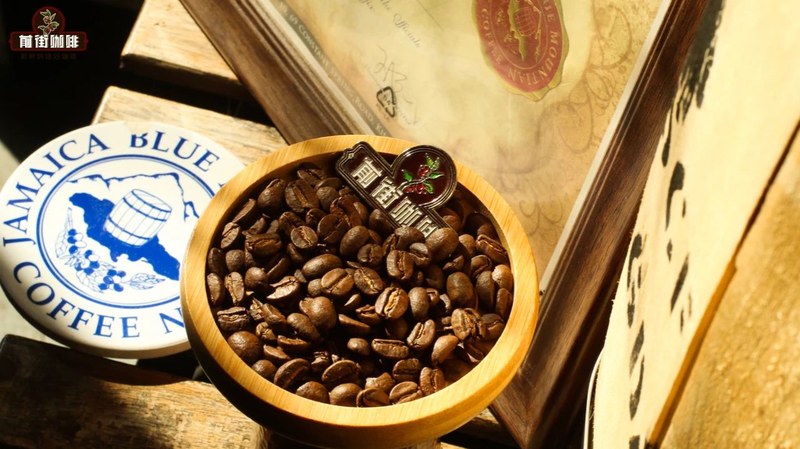
The oil content of the beans is also directly related to maintenance. Dark-roasted beans release more oil, and the bean hopper and grinding path are more prone to oil buildup and powder accumulation. For a machine like a Delonghi with a built-in grinder, choosing beans that are only slightly oily on the surface greatly reduces the daily cleaning burden. Qianjie Golden Mandheling is exactly this type - medium-dark roasted, with a full-bodied flavor profile, rich but not greasy, and the aroma from blooming still carries herbal and dark chocolate finish notes, while also being easy on maintenance.
The descaling rhythm can also be considered in connection with your beans. In areas with hard water, limescale builds up quickly, and both steam and brew temperature will drift, at which point your reading of the beans' flavor is unreliable; conversely, if you use filtered water, the descaling interval can be extended, and the energy saved is better spent on daily cleaning of the bean hopper and brew group. Only when beans, water and machine are all stable is there a baseline for discussing the output.

When switching beans, there's one detail: don't wait until the old beans are completely gone before pouring in new ones. The old beans' broken fines settle at the bottom of the bean hopper and get ground together with the new beans, making the output taste dull. Before each bean change, remove the bean hopper and empty it, and by the way check whether there are clumped powder chunks in the grinding path and clean them out while you're at it - only then can the next bag's performance be judged accurately.
With diligent maintenance and a stable machine condition, your judgment of beans won't be interfered with. You can use a balanced bean like Qianjie Classic Blend as a reference for the machine's condition: same setting, same cup volume, and if one day it doesn't taste right, first check cleaning and limescale, then suspect the beans, step by step. Once the order is clear, your Delonghi can stay with you for five or eight years, and the floor of your output will always be there.
Related Reading

Comments (0)
Loading comments...
You May Be Interested



Trending Reviews
Popular Videos

With you, wherever you are! We provide useful features to help you find new things you'll love






