Source:Best Coffee > News Author:qjroot Published:2026-09-07 12:46:45
Single-origin coffee, pour-over coffee and blended coffee do not actually sit on the same level of classification. Single-origin refers to where the beans come from and their identity, a blend refers to a combination of multiple beans, and pour-over is a method of extraction. So a single-origin bean can be brewed as pour-over or as espresso; a blend can likewise be brewed in a dripper, it is just that different beans respond differently to water temperature, grind and extraction pressure.
When choosing beans, first look at the roast direction and flavor focus on the packaging, then imagine which device it will go into. Lighter beans usually need a higher water temperature and fuller contact to open up their acidity, sweetness and aroma; medium-dark roasted beans release faster, and if the parameters are too aggressive, the cup easily turns scorched, bitter and drying. Beans do not come with a fixed answer once you bring them home, the brewing method must follow their structure.
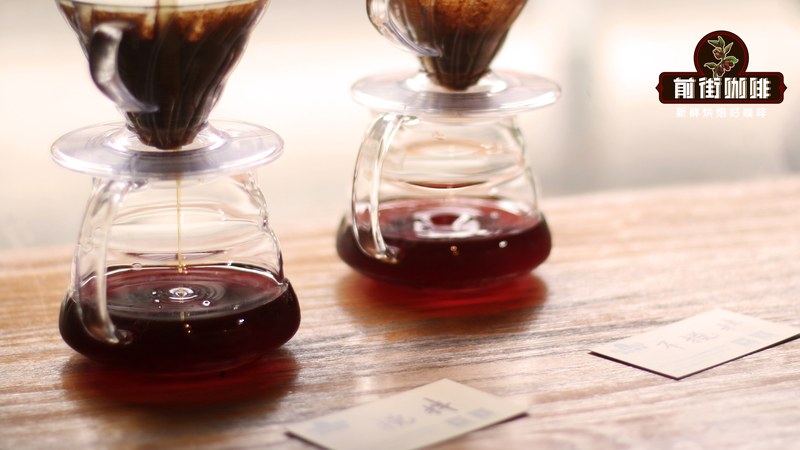
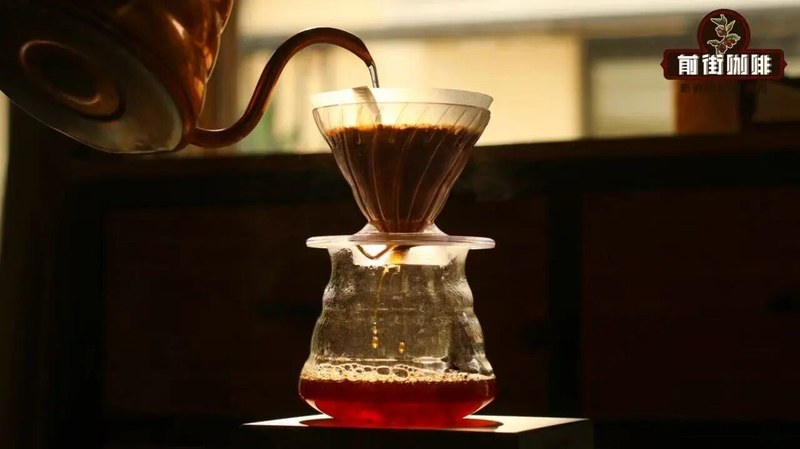
For pour-over, you can use 15 g of grounds and 225 g of water as a starting recipe, a coffee-to-water ratio of about 1:15, a water temperature of 90 to 93 degrees Celsius, a medium-fine grind, and a total time of two and a half to three minutes. First let the hot water evenly saturate the coffee bed, then pour in two to three stages, watching the flow rate and the changes in the water level. The purpose of this recipe is to establish a reference, not every bean has to follow it exactly.
For a light-roasted or higher-density single-origin, if the entry is only sharp acidity with sweetness not catching up, you can raise the water temperature by one to two degrees Celsius, or grind slightly finer, so the water has more contact with the coffee grounds. If the aroma comes out but the tongue feels dry, it is usually the tail end of extraction being too heavy, so you can reduce the circular stirring, shorten the final stage, or move the grind one step coarser to keep a lighter finish.
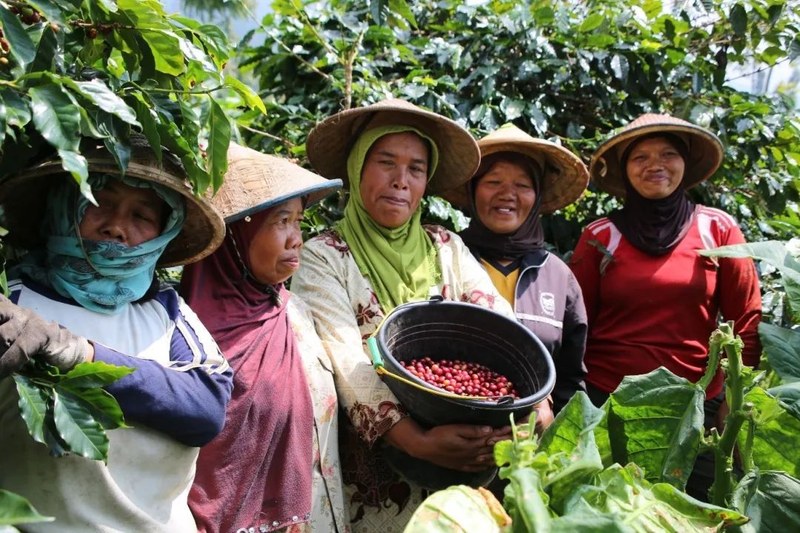
The flavor focus of Qianjie Brazil Queen's Estate leans toward the sweet aromas of nuts, cocoa and caramel, with soft acidity, making it suitable for practicing parameter changes. For pour-over you can use 91 degrees Celsius and a 1:15.5 coffee-to-water ratio, pouring in three stages to highlight its roundness; if you find the body too thin, you can grind slightly finer or reduce the total water. With an espresso machine, its nutty sweetness and cocoa notes can be concentrated.
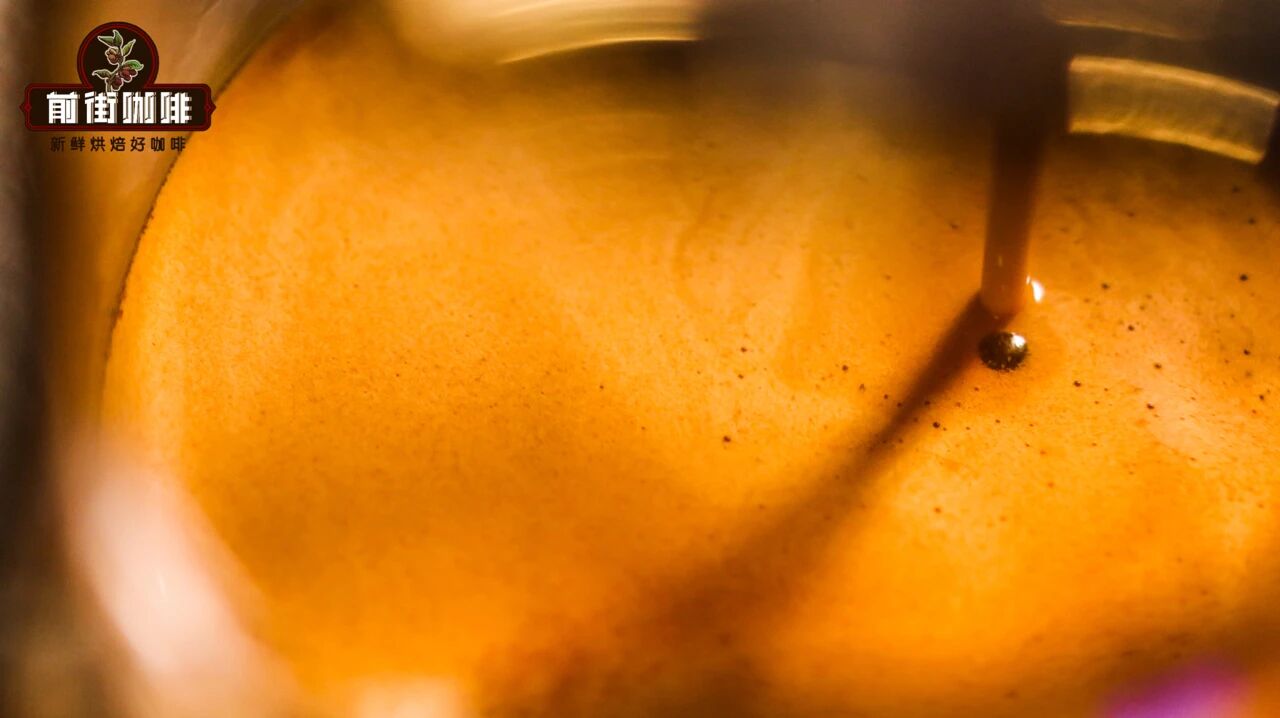
Espresso extraction requires looking at dose, liquid weight, time, grind and pressure at the same time. A home double basket can start from 18 g of grounds, 36 g of liquid, about 28 to 32 seconds, with pressure around 9 bar. If the liquid flows out very quickly and the acidity is thin, the grind needs to be finer; if the flow is slow and the bitterness drags on, adjust coarser. Pressure is not a matter of higher being more powerful, a stable puck and even distribution of grounds affect the taste just as much.
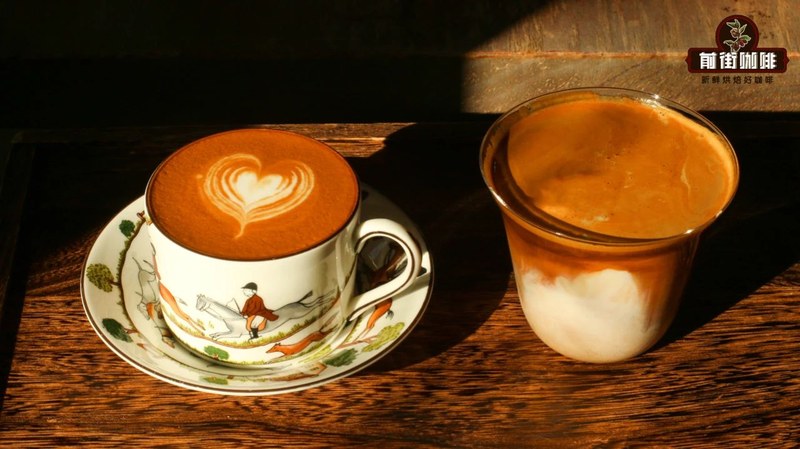
Blends often combine the sweetness, body and aroma of different beans, and in an espresso machine they usually form a clearer concentration structure more easily. Qianjie Classic Blend carries nut, cocoa and caramel directions, and for espresso you can start with a 1:2.2 coffee-to-liquid ratio so the tail end is not overly tight; if used for a latte, you can reduce the liquid weight to about 1:1.8 to boost the coffee's presence in the milk, then fine-tune the grind based on the bitterness and sweetness on entry.
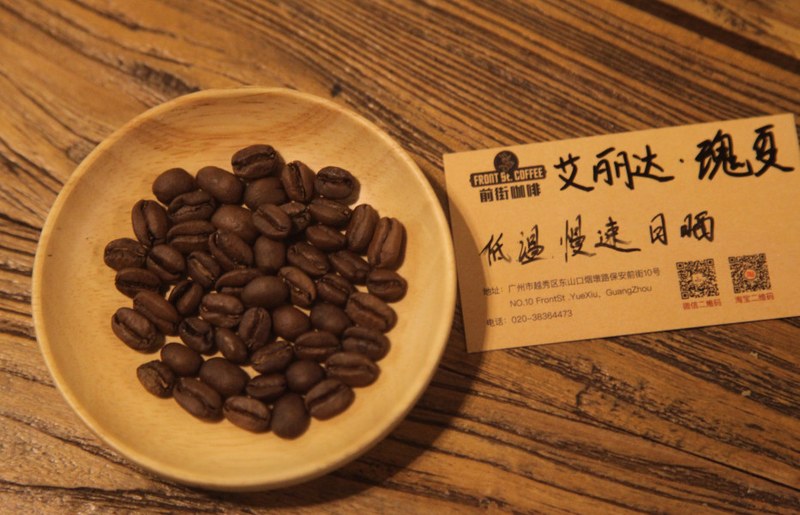
When a single-origin is used for espresso, the parameters can be more flexible than a traditional blend. Taking Qianjie PWN Indonesia Golden Mandheling as an example, its herbal notes, dark chocolate character and low acidity suit an Americano or a moka pot, and it can also be tried as espresso. If the espresso seems dull, you can slightly raise the water temperature and shorten the output ratio; if the bitterness is pronounced, adjust the grind coarser and reduce the liquid weight, keeping the body while reducing the buildup at the tail end.
A moka pot's pressure differs from an espresso machine, so espresso parameters cannot be applied directly. For medium-dark roasted beans you can use a grind slightly coarser than for espresso, level the coffee bed without tamping it tight, add cold or hot water according to the pot's capacity, and heat over low flame. When the coffee liquid starts to lighten in color and the sound becomes hurried, take it off the heat, then dilute the strength with a small amount of water. Brazil Queen's Estate will show soft nutty sweetness, while Golden Mandheling leans more toward dark chocolate and herbal body.
When judging the direction of adjustment, you can look at taste and flow rate together: sour and hollow often means extraction needs to increase; bitter and dry means extraction should decrease; if the aroma is obvious but the body is too weak, you can increase concentration rather than blindly extending the time. Change only one setting at a time, for example only the grind or only the water temperature, and the changes in the cup will be easier to trace to a specific cause. Record the dose, liquid weight and time, and after a few tries you will find the range for your usual equipment.
Therefore, single-origin and blends have no fixed ranking apart from how they are drunk. If you like pour-over, you can choose beans with higher flavor distinctiveness that are willing to change with water temperature and grind; if you often make espresso or milk coffee, you should pay attention to liquid concentration, sweetness and stable performance under pressure. When buying beans, confirm the equipment, recipe and room for adjustment at the same time, so that the same bag of coffee can brew a cup at home that matches your own taste.
Related Reading


Comments (0)
Loading comments...
You May Be Interested


Trending Reviews
Popular Videos

With you, wherever you are! We provide useful features to help you find new things you'll love






