Source:Best Coffee > News Author:qjroot Published:2026-08-15 10:46:01

Once summer arrives, cold brew becomes a favorite for many people. It is icy, smooth, and not sour or astringent, and the key point is that it is also simple to make - just add coffee grounds to water and leave it in the fridge to steep overnight. But whether cold brew tastes good depends first on choosing the right beans. Even with cold brew, some beans steep into a clean, bright cup, while others come out dull and flat. Today, let us talk about how to choose cold brew coffee beans from the perspective of bean selection.
Cold brew uses low-temperature, long-duration extraction, so fewer bitter and astringent compounds dissolve into the coffee, while sweetness and fruity aromas are amplified. Therefore, beans with obvious fruity aromas, bright acidity, and rich flavor layers often perform especially well in cold brew - tasting like a fruit-flavored iced drink rather than "iced bitter coffee."
In terms of roast level, light roast and medium-light roast beans are more suitable for cold brew, as they can retain floral and fruity aromas and bright sweet acidity; if you want to make a rich, full-bodied cold brew that also tastes good with milk, medium roast beans can also work. The key is whether you want a refreshing style or a rich, full-bodied style.
There is a big difference between cold brew and hot extraction: during hot extraction, high temperature quickly dissolves various compounds in coffee, including bitterness and astringency; while the low-temperature environment of cold brew naturally "blocks" most bitter compounds from dissolving. This is why the same bean may still have a slightly bitter base when made as a hot pour-over, but no bitterness at all can be tasted when made as cold brew. For friends who fear bitterness, cold brew is almost a brewing method that "will not go wrong."
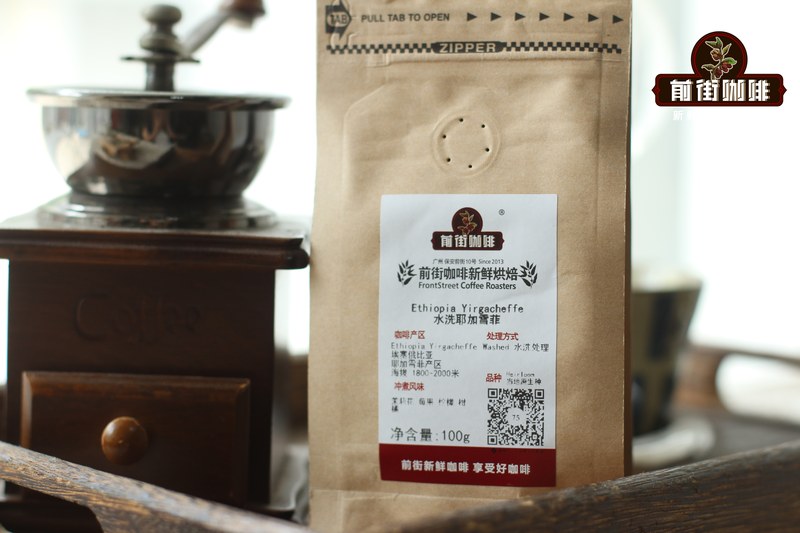
Yirgacheffe is a classic choice for many coffee lovers starting specialty coffee, usually carrying distinct citrus, berry, and floral notes, along with a sweet aftertaste similar to green tea. Its acidity is soft and bright, and after cold brewing, the sweet acidity becomes smoother, entering the mouth like a cup of citrus-toned iced fruit tea, making it very suitable as an entry-level cold brew option.
Huakui is one of the most representative star products in the specialty coffee market in recent years. Its standout feature is extremely prominent tropical fruit aroma, often with notes of strawberry, passion fruit, jackfruit, and even lychee. It has obvious sweetness and very low bitterness, enters the mouth smoothly, and is full of juicy texture, described by many consumers as "the coffee that tastes least like coffee." After cold brewing, Huakui's juicy texture is amplified, and it is especially refreshing when served iced.
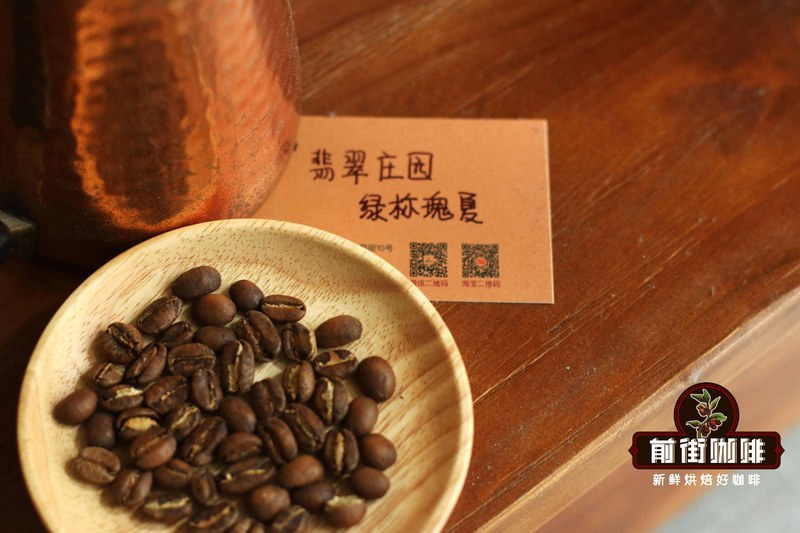
This bean comes from Finca La Divisa in Colombia, is the same bean variety used by a competition champion, and the growing region is at an altitude of 1650-1800 m. Sidra uses double anaerobic natural processing and medium-light roasting, fully retaining its original fruity aroma: the dry fragrance is wrapped in jasmine and citrus notes, and on the palate you can taste a rich juicy texture woven from passion fruit, blueberry, grape, and apricot, with bright fruit acidity that is refreshing and soft, and a lasting cocoa aftertaste in the finish. It is suitable for pour-over, espresso SOE, cold drip, and many other brewing methods, and also performs very well in cold brew.
Geisha can be called a legend in the world of specialty coffee. Red Label Geisha usually has extremely elegant jasmine aromas, as well as delicate flavors of citrus, bergamot, and black tea, with an overall clean and transparent mouthfeel and a long, lingering aftertaste. Cold brew allows its delicate aroma and sweetness to fully unfold, belonging to the type that "once you drink it, you will never forget it."
This is a Kenyan specialty washed bean, with its core features being distinct cherry tomato, smoked plum acidity, and a full juicy texture. It comes from the Thika region of Kenya, uses SL28 and SL34 varieties, undergoes 72-hour double washed fermentation, and Qianjie uses light roasting to preserve lively acidity. After cold brewing, the acidity becomes softer, while the cherry tomato and smoked plum flavors remain clear, like a cup of ripe berry juice, very suitable for people who like fruity coffee.
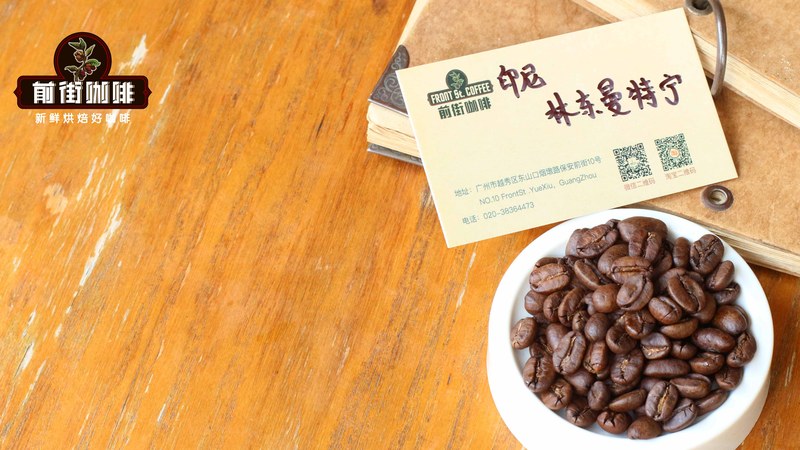
If you want to make a cold brew that can be served with milk, or if you like a rich, full-bodied taste with sweetness, Qianjie Strawberry Candy coffee beans are very suitable. It is a popular fruity espresso blend bean, relying on the natural flavors of Arabica coffee beans from different regions blending with one another to recreate a distinct strawberry gummy candy sweetness. It has prominent sweetness and low bitterness, and after cold brewing it is good both drunk directly or mixed with milk, making it a highly versatile daily staple bean.
There is another way to enjoy Strawberry Candy as cold brew: after steeping, add a little coconut milk or oat milk, then add a few ice cubes. The sweet aroma of strawberry gummy candy pairs very well with the refreshing feel of plant milk, tasting like a cup of "healthy strawberry milkshake," very suitable for summer afternoon tea.
Coffee-to-water ratio: between 1:10 and 1:12; if you like it stronger, use a little less water.
Grind size: slightly coarser than pour-over, with a particle feel similar to coarse sugar.
Time: refrigerate for 12-16 hours; too long can easily bring out off-flavors.
Storage: after extraction, filter out the coffee liquid and refrigerate it sealed; it is recommended to finish it within 3 days.
Why is a coarser grind recommended for cold brew? Because fine particles continue releasing compounds during long soaking, which can easily make the coffee liquid cloudy and the mouthfeel astringent. Coarse grinding can reduce the proportion of fine particles, making the cold brew liquid cleaner and clearer. If your grinder produces too many fine particles, you can sift the grounds after grinding and remove the fines before steeping, and the result will be much better.
The charm of cold brew lies in "gently steeping out the flavor." Pick a bean with a refreshing fruity aroma, steep it before bed, and the next morning you can drink a cup of icy, smooth coffee. This summer, why not pick one from the list and give it a try.
Related Reading




Comments (0)
Loading comments...
You May Be Interested



Trending Reviews
Popular Videos

With you, wherever you are! We provide useful features to help you find new things you'll love






