Source:Best Coffee > News Author:qjroot Published:2026-09-07 14:11:04
The performance of floral-scented coffee beans depends largely on whether the brewing parameters follow their flavor profile. If the water temperature is too low, the floral and fruity aromas may stay only at the smelling stage; if the grind is too fine or the extraction is drawn out too long, the fresh acidity easily turns dry and astringent. When buying beans, besides looking at the flavor description, think ahead about whether you will use a dripper to enjoy the aroma or an espresso machine to make a shot.
For pour-over floral beans, you can set the coffee-to-water ratio between 1:15 and 1:16, with a common baseline of 15 g of coffee grounds to 240 g of water. For light roasts and denser beans, start with a water temperature of 92 to 94°C; if the beans are roasted slightly darker or have obvious sweetness, 90 to 92°C often preserves a rounder mouthfeel more easily.
The pouring rhythm also changes how the floral aroma presents itself. For a clearer floral and fruity character, use pulse pouring so the coffee bed has enough room to wet and flow; if the acidity in the cup seems sharp, reduce the circular agitation and switch to a steadier center pour. There is no need to chase a specific extraction time; the key is whether the entry is clean and whether the sweetness lingers after swallowing.
Qianjie Ethiopia Huakui is suited to a higher water temperature to open up the aroma. Start with 15 g of grounds to 240 g of water, 93°C, and a medium-fine grind. In the cup it easily shows a familiar berry sweetness and may also bring out a bright tropical-fruit quality. If the flavor is too thin, grind slightly finer; if astringency appears in the finish, coarsen the grind by one step and reduce agitation during the final pour.
When making iced pour-over with this bean, you can replace part of the total water with ice. For example, still use 15 g of grounds with a total water amount of 240 g, with 60 g of ice placed in the server and 180 g of hot water poured in stages. The lower drinking temperature makes the acidity crisper and the floral and fruity aromas more juice-like; if you feel the aroma is not concentrated enough, raise the hot water temperature by 1°C or slightly narrow the coffee-to-water ratio.
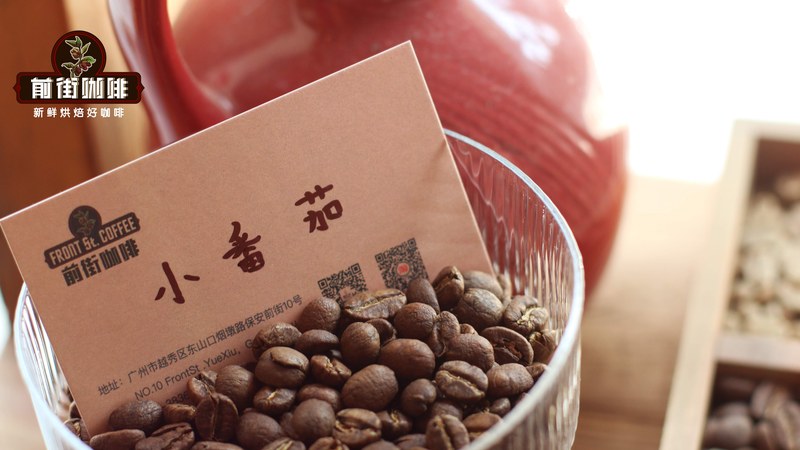
For those who like bright fruity acidity and a clear finish, keep an eye on Qianjie Kenya Little Tomato. For pour-over, it is recommended to start at 92°C with 15 g of grounds to 250 g of water, and do not grind too fine, to avoid the plum-like sweet-and-sour quality being drawn into an astringent sensation. If the cup has only acidity and not enough sweetness, raise the water temperature by 1 to 2 degrees, or extend the early blooming stage so the coffee bed releases soluble matter more fully.
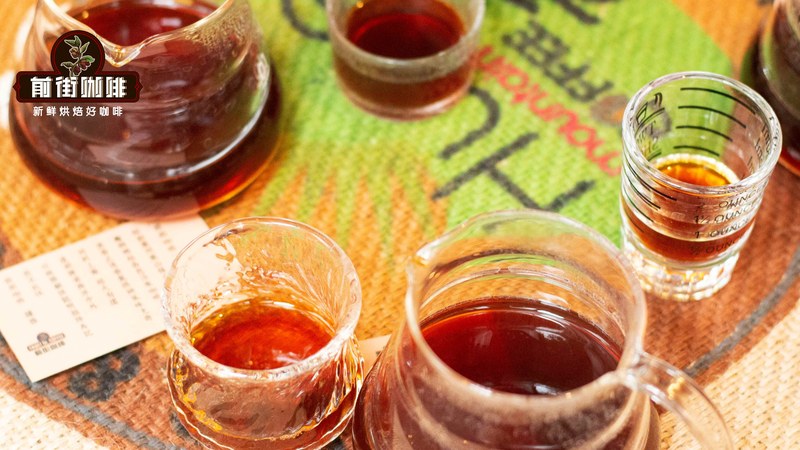
Handling floral beans on an espresso machine follows a different approach from pour-over: the aroma needs to be compressed into a smaller liquid volume while controlling the ratio of acidity to bitterness. You can use 18 g of grounds and 36 g of yield as a starting point, with an extraction time of about 27 to 32 seconds and pressure kept near 8 to 9 bar. Pressure should not be changed drastically or frequently; grind setting and yield are better suited for fine adjustments.
If the espresso tastes sharply acidic and thin in body, first grind a little finer so the water contacts the coffee grounds more fully; if obvious bitterness appears and the mouth feels dry, grind slightly coarser, or reduce the yield from 36 g to 32 to 34 g. For light-roasted beans with pronounced floral notes, the temperature can be set at 91 to 93°C; too high a temperature easily lets bitterness cover the bright aromas.
When using Qianjie Kafa Forest for pour-over, you can start at 91 to 92°C, with a coffee-to-water ratio of about 1:16 and a medium-fine grind. Its citrus and apricot notes are clearer in the early stages, and the sweetness becomes softer as it cools. If used for espresso, extracting 34 to 36 g of liquid from 18 g of grounds is more suitable; keeping the pressure steady allows the fruity aroma and tea-like aftertaste to remain in the cup at the same time.
There is no single unchanging parameter for the same floral bean. Water quality, dripper flow rate, machine warm-up state, and grinder burrs all cause the actual result to shift. When choosing beans, you can plan according to your main equipment: dripper users should focus first on aroma release and the sweet-acid structure, while espresso users need to confirm whether the bean still has sweetness and smoothness at a higher concentration.
When brewing, observing the entry, the aftertaste after swallowing, and the changes as the cup cools together is more helpful than simply pursuing floral intensity. If you like light fruity aromas, start with a bright style like Huakui; if you prefer a clear sweet-and-sour taste, Kenya Little Tomato is more distinctive; if you want more soft aftertaste beyond the aroma, Kafa Forest will be more composed. Find the right bean, then let the parameters match its character, and the floral aroma will truly land in the cup.
Related Reading



Comments (0)
Loading comments...
You May Be Interested

Trending Reviews
Popular Videos

With you, wherever you are! We provide useful features to help you find new things you'll love






