Source:Best Coffee > News Author:qjroot Published:2026-09-22 13:30:15
Many people always feel dazzled when choosing coffee beans. In fact, as long as you understand the terroir map, choosing beans becomes as easy as following a map. Friends who prefer a rich, solid body with herbal and spicy notes are suited to Asian origins; Central and South American origins are known for their warm nutty and cocoa aromas, making them especially suitable for those seeking balance; and if you want to drink something light, lively, and full of fruity and floral juice-like flavors, African origins, especially Ethiopia, are the ideal choice.
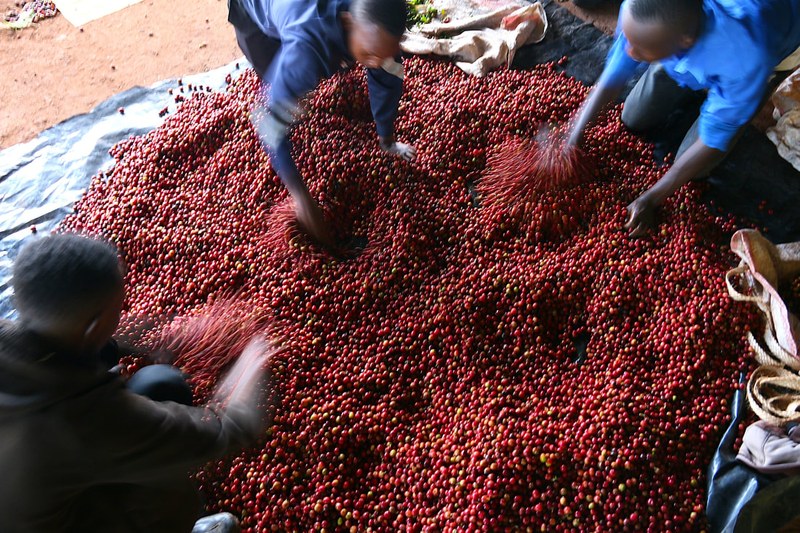
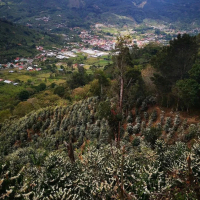
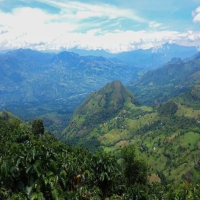
As the birthplace of coffee, Ethiopia has countless native tree species, and nature has provided this place with exceptional microclimates. Whether it is high-altitude shaded forests or mountain towns shrouded in clouds and mist all year round, the temperature difference between day and night and the fertile red soil allow coffee cherries to slowly accumulate sugar. The coffee beans produced here generally carry clear citrus acidity and soaring floral aromas, drinking as comfortably as clear tea.
To experience the pure style of Ethiopian washed processing, the first choice is Qianjie washed Yirgacheffe. The town of Yirgacheffe enjoys spring-like weather all year round, cool and humid, nurturing its signature jasmine aroma and bright citrus acidity. The washed process rinses away the fruit pulp coating, making the flavor appear especially light and elegant. When hot, it is like a cup of warm jasmine tea; after cooling slightly, it turns into refreshingly tart lemon water, very suitable for office workers who prefer a light mouthfeel.
If you want to explore clearer layers within cleanliness, Qianjie Gudingding Cooperative coffee is a representative not to be missed. Gudingding comes from the southeastern edge of Yirgacheffe, where coffee farmers carefully strip the pulp before drying, making the inherent aroma of the green beans clearer and more transparent. When brewed, elegant white floral notes rush to the nose, and on the palate there is delicate lemon and citrus flavor, with sweet and tart intertwined beautifully, suitable for friends pursuing pure origin character.
Besides the refreshing washed style, Ethiopia's natural terroir is equally fascinating. Coffee farmers spread whole ripe red cherries on raised beds to bathe in sunlight, allowing the sugar from the skin and pulp to fully penetrate into the bean core over two to three weeks. The intense sunlight gives the coffee beans a fuller body, the acidity is gently wrapped, and instead it presents rich tropical fruit, berry sweetness, and even a soft fermented wine aroma, bringing a completely different full-bodied experience.
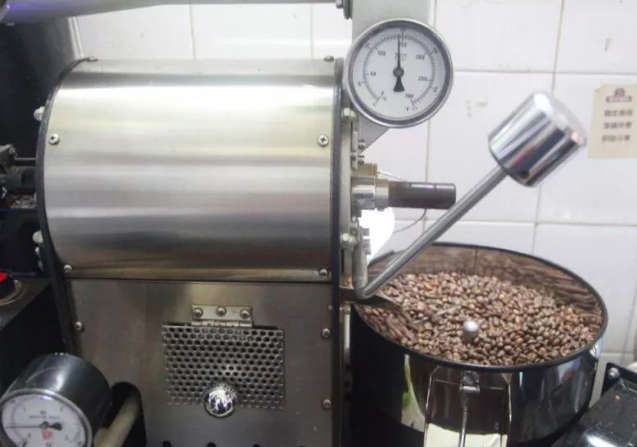
If you want this rich fruit-jam sensation, Qianjie natural Huakui coffee will bring a surprise. It is produced in the Guji Hambela region, where workers place red cherries on raised beds and continuously dry and turn them for twenty-one days, removing defects layer by layer by hand. After medium-light roasting, the dry aroma carries a faint fermented wine note and floral fragrance; on the palate you can taste ripe mango and bright citrus sweetness, and the finish is interwoven with honey sweetness and cocoa aftertaste, with a thick, lingering texture, suitable for people who like rich fruity aromas.
If you prefer a small, refined rising star with prominent floral and fruity aromas, Qianjie Sidamo natural Hamashu coffee is especially worth trying. It selects the 74158 variety, and you can smell perfume lemon and ripe strawberry aromas; on the palate there is clear strawberry, star fruit, and green grape sweetness. And if you are drawn to native wild character, Qianjie Kaffa Forest coffee carries bergamot and sweet orange notes, with a sweet aftertaste revealing nutty aroma and a mouthfeel like green tea, each with its own captivating charm.

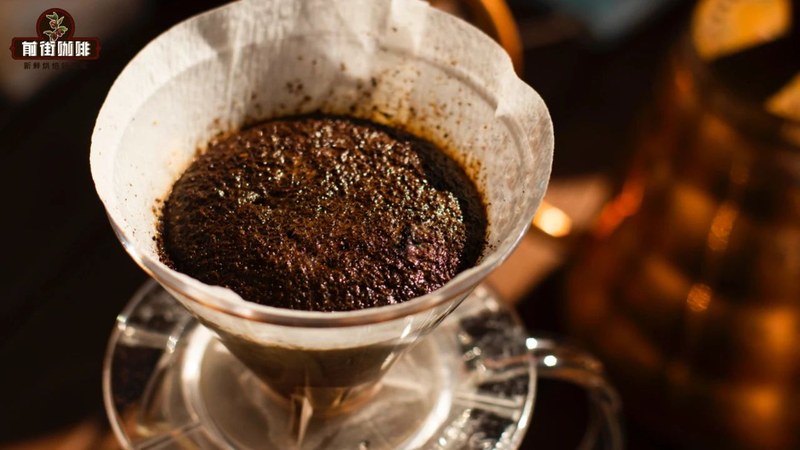
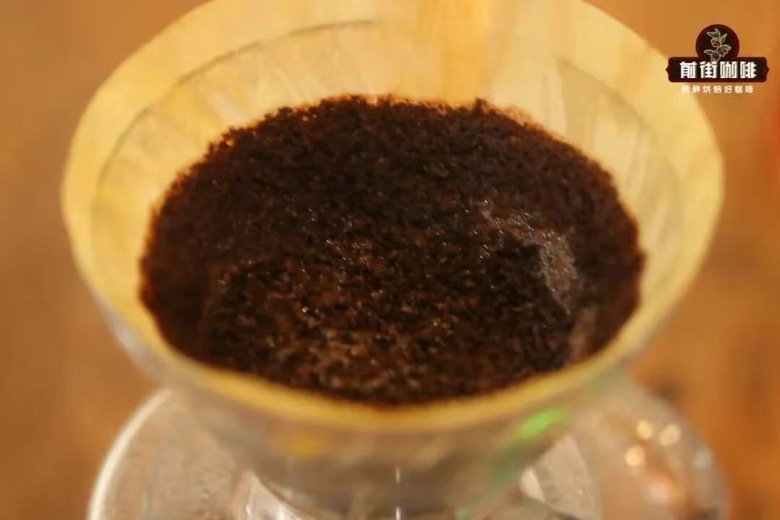
To brew these Ethiopian beans with outstanding floral and fruity aromas, pour-over is recommended to present the layers. Prepare 15g of coffee grounds, grind to medium-fine, use a 1:15 coffee-to-water ratio, and pour 225ml of hot water. Divide the pouring into three stages: first use 30ml of water to evenly wet the coffee grounds and bloom for 30 seconds, then steadily pour the second stage to about 130ml, and after the liquid level slightly recedes, fill to 225ml. Control the total extraction time to around 2 minutes, and the floral and fruity aromas will be fully activated.
From the gentle tea-like feel of washed processing to the sweet jam-like feel brought by natural processing, Ethiopia's abundant terroir always brings refreshing surprises to the palate. When you usually want to refresh yourself and quench thirst, brewing a cup of washed Yirgacheffe is like drinking a cup of fresh lemon tea; if you are sitting idly on the weekend and want to savor rich layers, the fruit sweetness and wine aroma of natural Huakui can accompany an entire afternoon. Pick a bag according to your own taste preference, and at home you can easily appreciate the captivating fragrance of the distant East African land.
Related Reading




Comments (0)
Loading comments...
You May Be Interested


Trending Reviews
Popular Videos

With you, wherever you are! We provide useful features to help you find new things you'll love






