Source:Best Coffee > News Author:Best Coffee Published:2024-07-09 17:10:30
Some of you might think cold brew is just coffee grounds soaked in cold water for a long time, right? Not quite. Making good cold brew isn’t just about those basics—it also requires paying attention to some small details to enhance extraction. But once you get it right, you only need to follow a few steps to easily make delicious iced coffee. Here, Best Coffee has summarized several important details about the cold brew process. Home brewers, feel free to check these against your own method—it’ll help you make a standard, refreshing, and mellow cold brew.
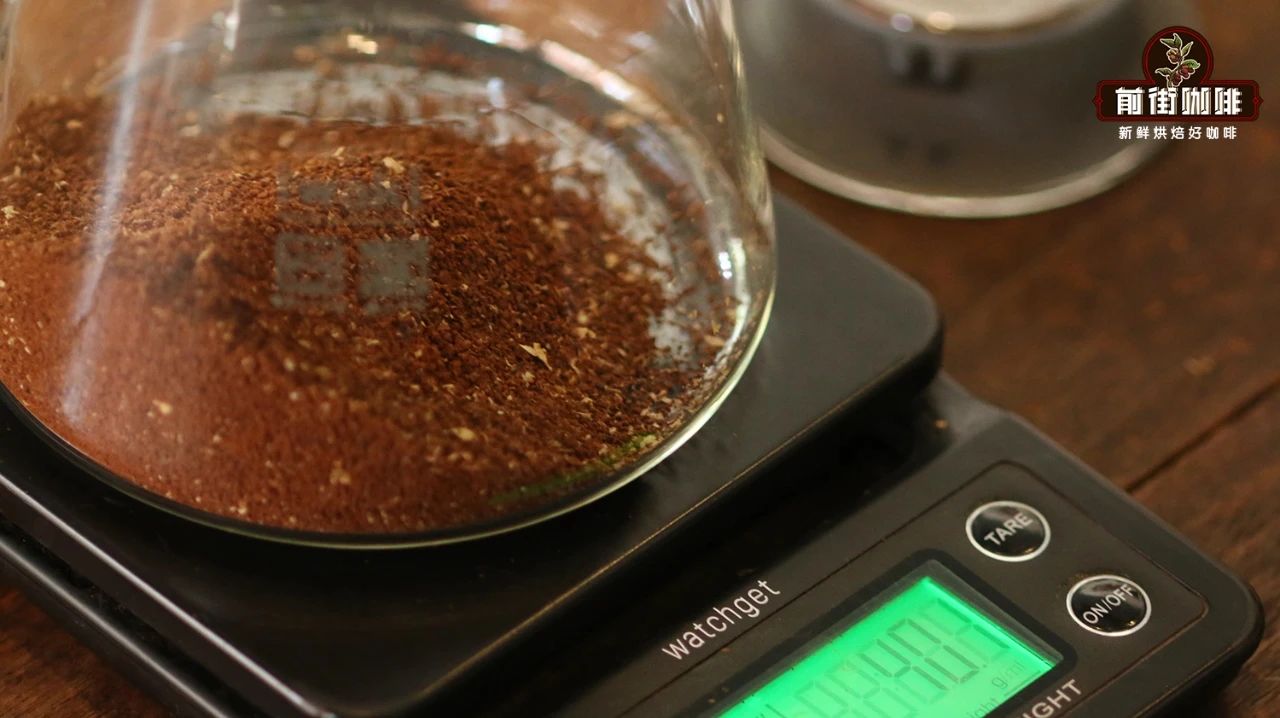
Unlike regular hot-brewed coffee, cold brew mainly involves mixing cold (or room temperature) water with coffee grounds and letting it sit in a low-temperature environment for several hours, then filtering out the grounds to get the iced coffee liquid. With a pack of coffee, a clean sealed container, and a fridge, you can enjoy cold brew at home anytime.
In fact, compared to the strict parameters of other coffee brewing methods, cold brew is highly flexible. From the choice of coffee beans to the sealed container used, as well as the coffee-to-water ratio, grind size, and steeping duration, there’s a wide range of adjustable variables. In other words, as long as the parameter combination isn’t extremely off, you can still make a decent iced coffee.
Steeping time should not be less than 8 hours or more than 18 hours
With pour-over brewing, we pay special attention to water temperature and time, because water, as the main brewing medium, directly affects the extraction efficiency of coffee. Too high or too low a temperature will alter the taste. But cold brew only comes into contact with water at 4–10°C throughout the process, so extraction is very slow. Therefore, you need to extend the steeping time to allow more aromatic compounds to be released, thus extracting sugars and organic acids more fully, resulting in a coffee that is more balanced in acidity, sweetness, and body. Generally, the steeping time for cold brew is recommended to be controlled between 8 to 18 hours.

Best Coffee once conducted a cold brew experiment with time as the variable, steeping one coffee for 6 hours, 10 hours, 16 hours, and 24 hours respectively. In the end, it was found that the 6-hour coffee had a thin mouthfeel and bland aroma, while the 24-hour cold brew was noticeably bitter with signs of over-extraction. The 10-hour and 16-hour groups performed best in terms of flavor, with rich aromas and a full-bodied taste.
Too fresh coffee beans can also affect extraction
For many high-temperature brewing methods, freshness is often the first consideration. First, the aroma of beans outside their prime diminishes significantly, which is a widely accepted fact. Second, the release of gases allows us to visually judge the freshness of beans—like crema in espresso or the bloom during pre-infusion—also indicating that the coffee is at its peak aroma stage.
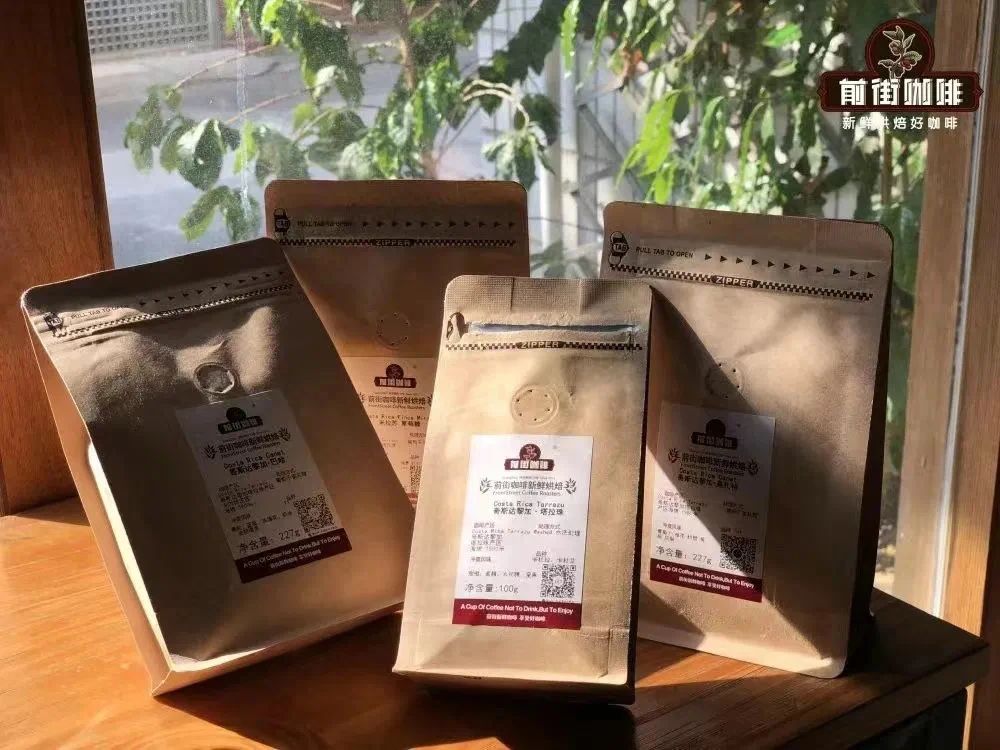
As coffee beans are continuously heated in the roaster, freshly roasted beans contain a lot of carbon dioxide. To extract the internal aromatic compounds, they need to be released first. Cold brew itself is a relatively static extraction process, and cold water somewhat suppresses the release of these gases, making the resulting coffee likely to taste dull. Therefore, Best Coffee recommends using coffee beans with a roast date more than 10 days old for cold brew, which is more conducive to producing a coffee with rich aroma.
Stir thoroughly before and after extraction
Many beginners, eager to save time, simply seal the lid and put it in the fridge after adding water. The coffee grounds may appear wet on the surface, but in reality, some areas haven’t been in contact with water, meaning that dry part hasn’t participated in extraction. Additionally, after a night of sitting, most of the particles settle at the bottom of the container. If you filter directly, you’re likely to get only the light-colored liquid from the top, and the taste probably won’t be great either.
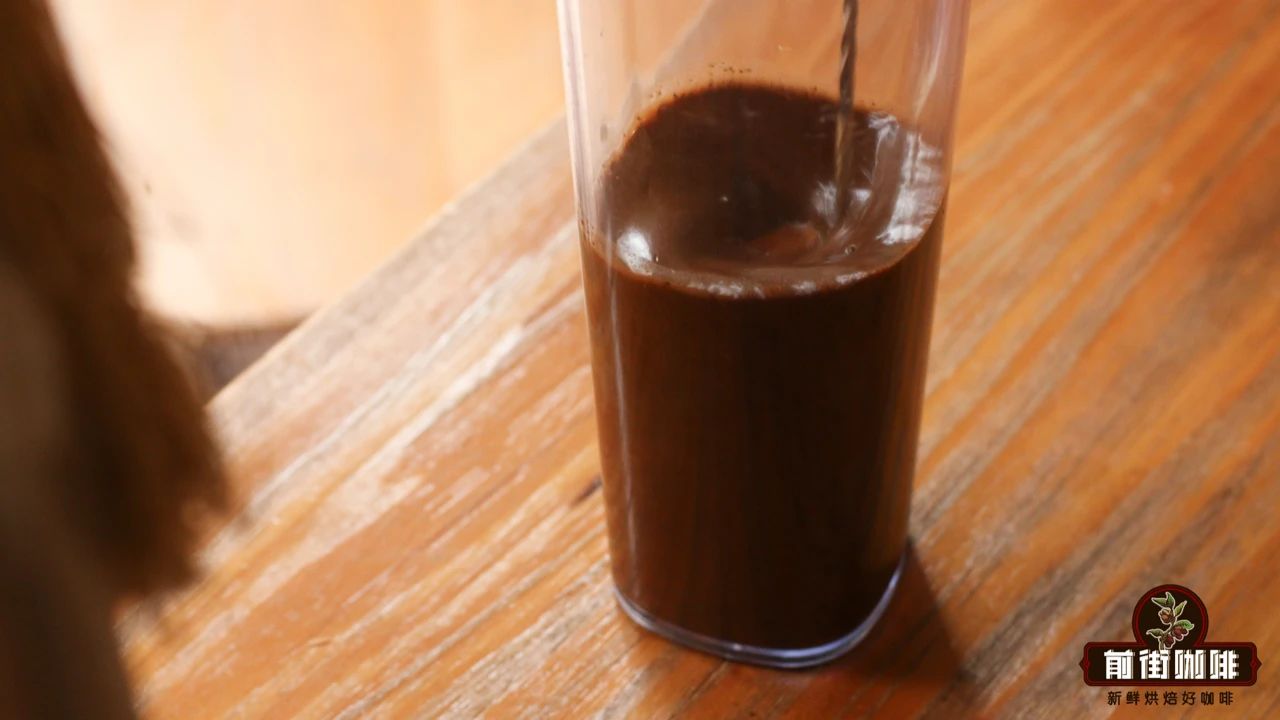
Based on Best Coffee’s experience, if you’re using a larger pot, stir the coffee grounds and water evenly with a stirring stick or a long spoon before refrigerating. After taking it out, stir a few times again before filtering. If you’re using a sealed water bottle, just gently shake it up and down after sealing.
Filter out fine grounds thoroughly for better cold brew taste
There are many options for filtering coffee grounds, such as the built-in filter of a cold brew maker, metal filters, paper filters, or flannel filters. The size of the filter pores varies, naturally affecting the size of particles they can effectively block.
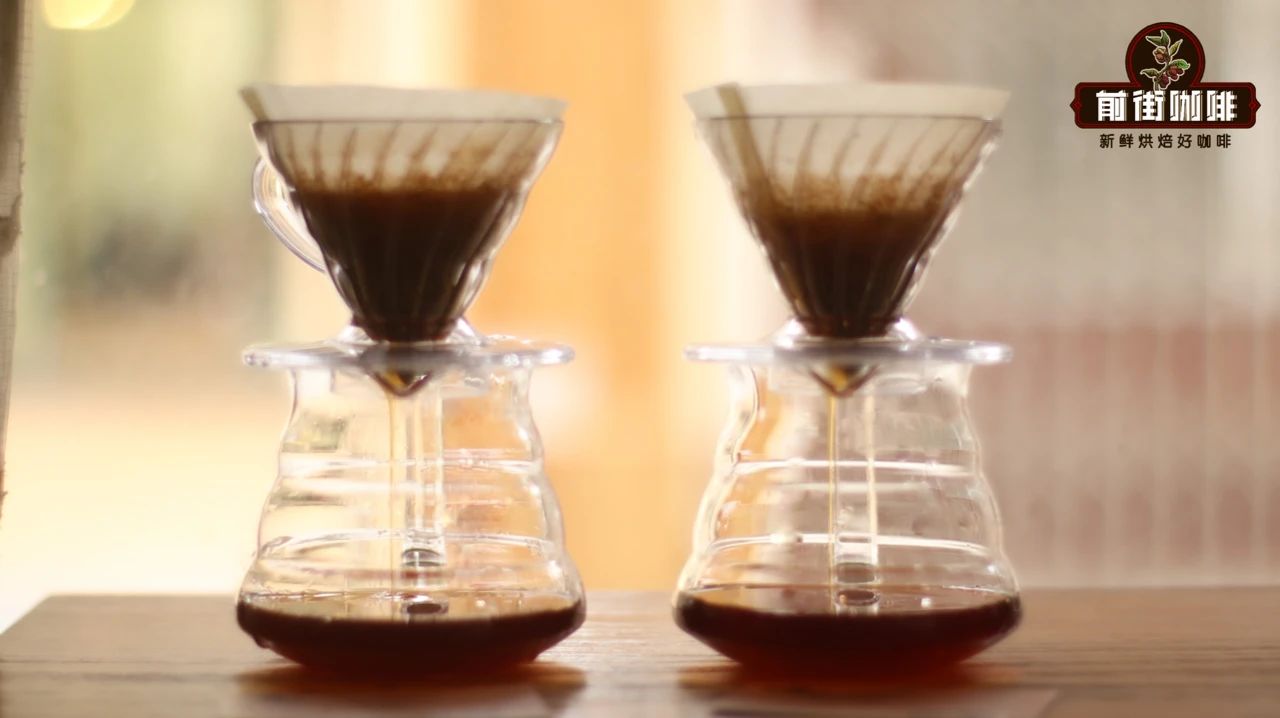
Taking Best Coffee’s use of a cold brew maker as an example, the filter mesh has 245 holes per inch, which is considered relatively fine, but fine and ultra-fine particles can still pass through. Without further filtration, a layer of oily floc will float on the surface. The flavor of the coffee won’t differ much after filtration, but the rough feeling left on the tongue when swallowing is relatively noticeable, and there will be visible coffee grounds settled at the bottom of the cup.
For a better drinking experience, Best Coffee uses a denser paper filter for a second pass, which not only effectively filters out ultra-fine coffee particles but also blocks over 80% of the oils. After separating the grounds, Best Coffee also refrigerates the cold brew liquid in a sealed container for 3–4 hours to allow the flavor compounds to further precipitate and mature. This way, the cold brew has a very full flavor, a clearer mouthfeel, and a more transparent acidity.
After cold brew is done, should you refrigerate it again?
For cold brew usually served at the shop, Best Coffee refrigerates it in a sealed container for 3–4 hours after filtration before selling. Although the fridge at home may look clean on the surface, it actually harbors many microorganisms invisible to the naked eye. If not careful, it could lead to food spoilage or deterioration. Therefore, to ensure the coffee isn’t contaminated by external factors, the container you use must have good sealing performance and be thoroughly cleaned. Cold storage not only slows down the reproduction of certain bacteria but also allows the substances in the coffee to undergo a slow and controlled fermentation process. This also explains why the longer cold drip is left, the stronger the fermented flavor becomes.
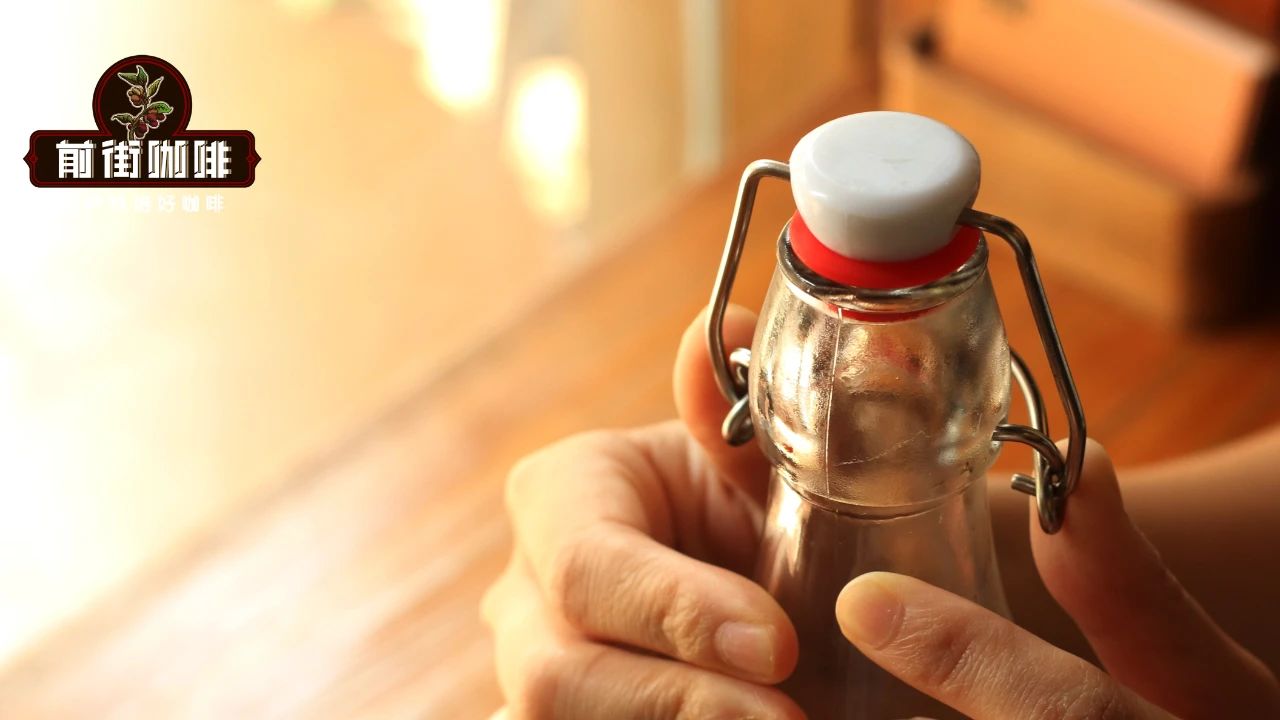
Compared to iced drip brewed at room temperature, cold brew, where water soaks the coffee grounds overnight, already has a relatively complete flavor. Refrigerating the coffee liquid for a few more hours is more about allowing the dissolved substances to ferment further, bringing a clearer and mellower coffee taste.
How many days can refrigerated cold brew be stored?
Best Coffee has noticed that many people looking for convenience will steep a large pot of coffee at once and store it in the fridge, pouring out a cup whenever they want. This can lead to forgetting how many days the coffee has been in the fridge if not labeled, raising concerns about spoilage.
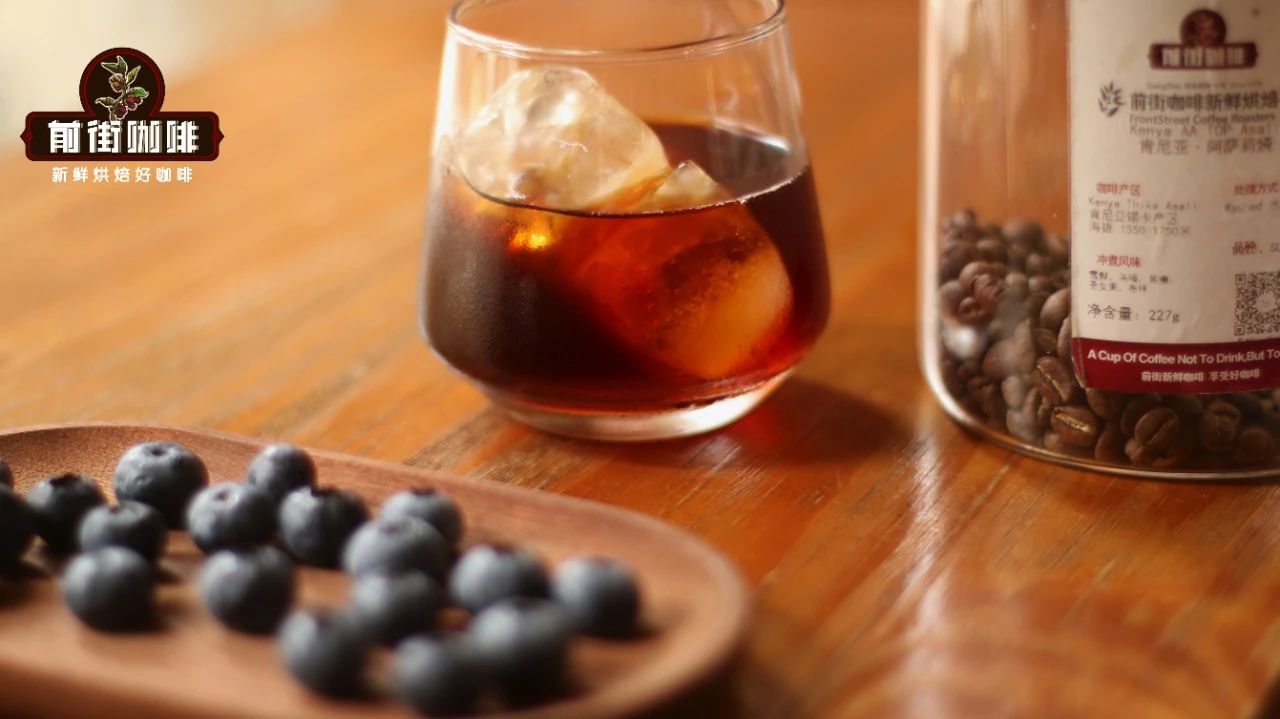
First, the fermentation process of low-temperature extraction cannot be interrupted. Refrigeration only slows down the fermentation rate of the coffee, and over time, the substances dissolved in the water continue to change, eventually leading to spoilage. Also, every time you open the bottle, you expose the coffee liquid to air, which not only causes the aroma to dissipate but may also introduce bacteria into the container. Generally speaking, for both flavor experience and health safety, whether it’s cold drip or cold brew, any low-temperature extraction method should be consumed within 5 days (counting from the day of brewing).
Related Reading


Comments (0)
Loading comments...
You May Be Interested

Trending Reviews
Popular Videos

With you, wherever you are! We provide useful features to help you find new things you'll love






