Source:Best Coffee > News Author:qjroot Published:2026-09-03 18:57:55
A balanced acidity and sweetness is not about tuning sourness and sweetness to the same intensity, but about having liveliness on entry, followed by a clear sweetness, and leaving no sharp or drying sensation after swallowing. Coffee beans are only the starting point; dose, water amount, grind size, water temperature and extraction time all change this balance. Different brewing devices at home call for different starting parameters.
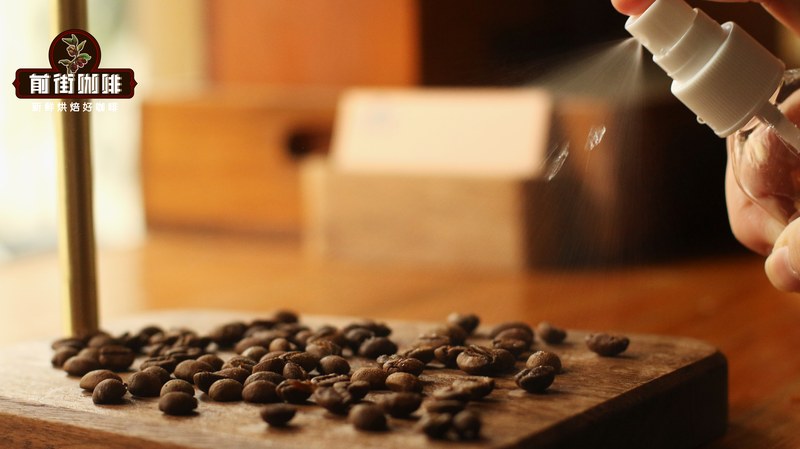
Pour-over is well suited to observing flavor changes. You can start with 15 g of coffee grounds and 225 g of water, a water temperature of 90 to 93°C, and keep the whole brew within about 2 minutes 30 seconds to 3 minutes. This range is not a fixed answer, but it leaves enough aroma and sweetness for most medium-light roasts. If the cup has only bright acidity, you usually need to start with a finer grind or a higher water temperature; if the finish feels dry, reduce agitation and extend the immersion.
Take Qianjie Kafa Forest as an example: its orange-like aroma, ripe apricot and peach notes, and tea-like finish come through clearly in a conical dripper. You can use a medium-fine grind and water at around 92°C, pouring in stages so the fruit aromas are released in the early phase and sweetness is retained in the later phase. As the coffee goes from hot to warm, the sweetness gradually emerges, so it is best to sip it in several rounds rather than rushing to judge whether the flavor is balanced right after it lands in the cup.
Adjustments to pour-over parameters can revolve around extraction speed. If water passes through the bed very quickly, the cup may seem thin; going half a notch finer or adding one small pulse can make the sweetness more complete. If the flow is sluggish and the entry feels heavy, you can coarsen slightly and reduce circular pouring. Change only one variable at a time, so it is easier to tell whether grind affected the acidity and sweetness, or whether pouring force changed the concentration.
For those who like iced pour-over, you can choose Qianjie Colombia Sidra. It has fruit notes such as passion fruit, blueberry and grape, with lively acidity and sweetness, and still shows clear aroma after cooling. After hot-water extraction is complete, pour it directly over plenty of ice; the dose and total water amount should include the melted ice water. If the finished cup is too strong, add a small amount of cold water to make the juicy mouthfeel more open.
When using an espresso machine, the focus shifts to brew ratio, flow speed and the weighty body of the espresso. You can start with 18 g of grounds extracting 36 g of liquid in about 25 to 32 seconds, then fine-tune based on how it tastes on entry. Sharp, short acidity may mean insufficient release of solubles; if bitterness and dryness concentrate at the back of the tongue, check whether the grind is too fine or the liquid weight is too high. Rather than blindly extending time, small adjustments make it easier to preserve sweetness.
Qianjie Colombia Sidra is also suitable as a single-origin espresso, especially for adding to sparkling water or making an iced americano. The pressure of the espresso machine increases concentration, making its berry and grape notes more concentrated, but an overly fine grind can make the fruit acidity feel tense. If making a large iced americano, you can keep the yield slightly shorter and then dilute with ice water; the aroma will be clearer than if it is over-diluted.
A moka pot requires attention to heat level, water height and the extraction stage. Add water below the safety valve, fill the filter basket with grounds and level lightly without pressing hard; the grind can be close to pour-over, slightly finer than filter brewing. Low heat lets the coffee rise slowly. When you hear sputtering or the color becomes noticeably lighter, stop heating, then place the base on a cold towel to cool it down, which helps reduce burnt bitterness.
If you mainly use cold brew or ice drip at home, parameters should be considered together with concentration and time. Cold water slows the release of flavor compounds, so the grind should not be too fine. You can start with an immersion time of 8 to 12 hours, then adjust according to strength. When Qianjie Kafa Forest is made as cold brew, the orange and apricot notes become softer and the tea-like quality rounder; if you want the sweetness to stand out, shorten the immersion rather than simply adding more coffee grounds.

Water quality also participates in the expression of acidity and sweetness. If there are too few minerals, the coffee easily seems empty; if buffering capacity is too high, the bright fruit acidity may be suppressed. Household water filtration does not need a complex recipe, but the source should remain stable. Bean freshness also affects parameter adjustment. Shortly after roasting, you can first let the beans degas for several days, observe flow-rate changes during brewing, and then decide whether the grind needs correction.
When choosing coffee beans with balanced acidity and sweetness, first confirm the adjustable range of your device, then consider how much time you are willing to invest in dialing in. For pour-over, pay attention to aroma and sweetness after cooling; for espresso, check whether the shot has enough density; for cold drinks, value the fruit aroma that remains after cooling. Treat parameters as tools for expressing flavor, and you can find an acidity-to-sweetness ratio in the same bean that suits you better.
Related Reading




Comments (0)
Loading comments...
You May Be Interested




Trending Reviews
Popular Videos

With you, wherever you are! We provide useful features to help you find new things you'll love






