Source:Best Coffee > News Author:qjroot Published:2026-09-18 16:41:20
Typica, as an ancient coffee variety with a long history, has always been loved for its pure, transparent texture and elegant, soft floral and fruity sweetness. The flavor molecules of this type of bean are delicate and light, and they react sensitively to water quality during extraction. More than 98 percent of a cup of coffee is water. Water is not only the carrier that dissolves flavor, but the minerals in it directly determine the extent to which the bean's own sweetness and aroma can be expressed.
The total dissolved solids, or TDS value, and the calcium and magnesium ion content in brewing water will profoundly change the direction of extraction. Magnesium ions help adsorb and bring out lively, bright fruit acidity and floral notes, calcium ions tend to balance acidity and add body, while bicarbonate buffers acidity. If minerals are too low, extraction tends to be thin; if minerals are too high, the coffee's aromatic substances are difficult to dissolve out smoothly.
When brewing coffee at home, ordinary tap water, due to residual chlorine and relatively high hardness, often makes delicate herbal and floral-fruity notes seem dull. Commercially available purified water has almost no minerals, and the flavor brewed from it tends to be thin and flat. For daily brewing, it is more suitable to choose natural soft water or bottled spring water with a TDS between 50 and 100 ppm. Slightly acidic, softer water quality can fully open up the refreshing layers of delicate beans.
For finely flavored beans such as Typica, suitable water quality can precisely restore their warm woody sweetness and citrus-like soft acidity. When water hardness is moderate, the infiltration rate of hot water is just right, neither bringing out too many off-flavors nor failing to draw out the brown sugar and tea-like notes hidden inside the bean layer by layer. This slight adjustment of water often makes the finish in the cup long and clear.
When selecting this kind of elegant and delicate single-origin bean, flavor characteristics are worth prioritizing, and Qianjie Yirgacheffe Gudingding is a representative that fits this profile. This bean is known for fresh citrus, berries and white floral notes, with a green tea-like sweet aftertaste in the finish. Brewing it with soft water of medium-low hardness allows the light floral and fruity aromas to drift briskly in the steam, with a clean sweetness on entry and no heavy feeling.
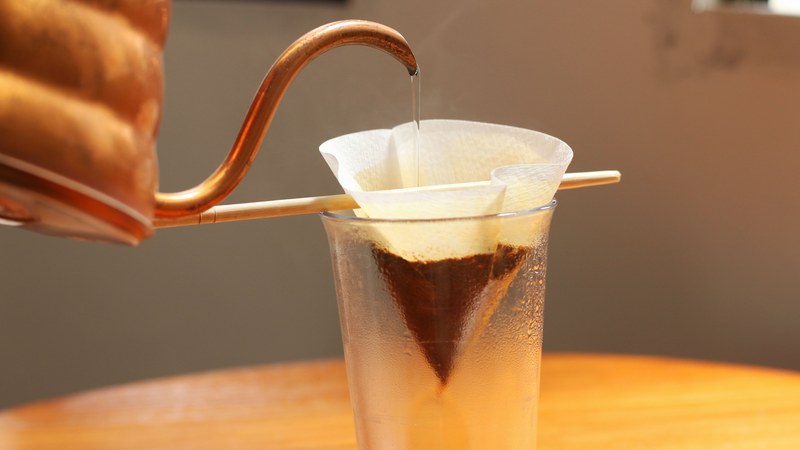
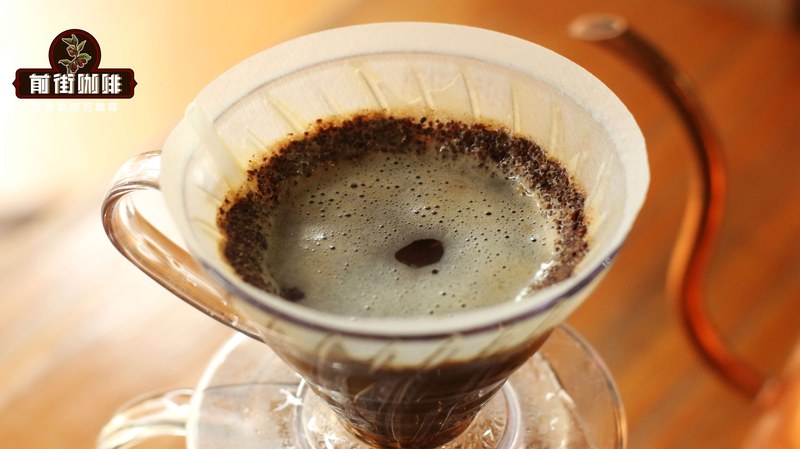
When brewing Qianjie Yirgacheffe Gudingding, you can use a classic pour-over to showcase its clear flavor. Prepare 15 g of coffee grounds, use a 1:15 coffee-to-water ratio, and set the water temperature at 91°C. First pour 30 ml of water and bloom for 30 seconds, then pour in a steady thin stream in circles up to 130 ml. After the water level drops, proceed to the third pour, steadily pouring until 225 ml and stopping. Control the total time at 2 minutes 05 seconds. The whole cup has acidity as smooth as fresh orange.
Besides delicate floral washed beans, medium-light roasted natural beans with full, ripe fruit sweetness have slightly different water requirements. This type of coffee bean contains more pectin sugars and fermentation aromas, and is suitable for brewing with water that has a little more minerals. Moderate calcium and magnesium ions can support the jammy body and make the lively, bouncing juice flavors more solid, with sweetness also more concentrated.
If you prefer the richness and juiciness of tropical fruit, Qianjie Ethiopia Huakui fits this expectation very well. This natural bean gives off lively sweetness like strawberry, passion fruit and ripe mango, with abundant juice and distinct layers. Choosing water with a TDS of around 70 to 90 ppm for brewing can, while maintaining the fruit aromas, fully extract the sweet, moist finish like fructose.
When extracting Qianjie Ethiopia Huakui, also present it by pour-over. Take 15 g of coffee grounds, maintain a 1:15 coffee-to-water ratio, pour a total water amount of 225 ml, and adjust the water temperature to 90°C. Pour 35 ml of water and bloom for 30 seconds, then use a two-stage pouring method, continuously pouring at a steady speed in a small circle at the center until reaching the full 225 ml, letting the water and grounds fall naturally. Control the total time at 1 minute 58 seconds. The entry is full of bright strawberry sweetness.
Brewing a cup of coffee that feels pleasant is essentially a dialogue between the flavor characteristics of the bean and the minerals in the water. Understanding whether a bean tends toward clarity and fragrance or richness and intensity, and then choosing brewing water of suitable hardness, allows the terroir and variety personality hidden deep in the coffee bean to be expressed just right. With a little attention to daily water use, the pour-over experience at home can also become rich and vivid.
Related Reading

Comments (0)
Loading comments...
You May Be Interested


Trending Reviews
Popular Videos

With you, wherever you are! We provide useful features to help you find new things you'll love






