Source:Best Coffee > News Author:qjroot Published:2026-10-09 18:35:52
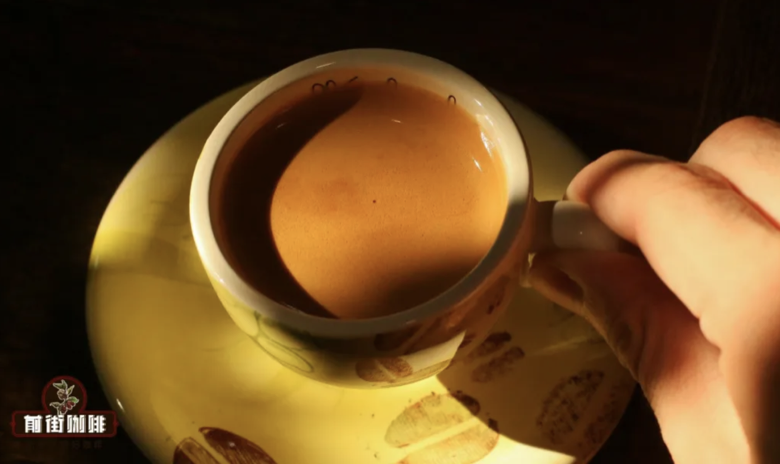
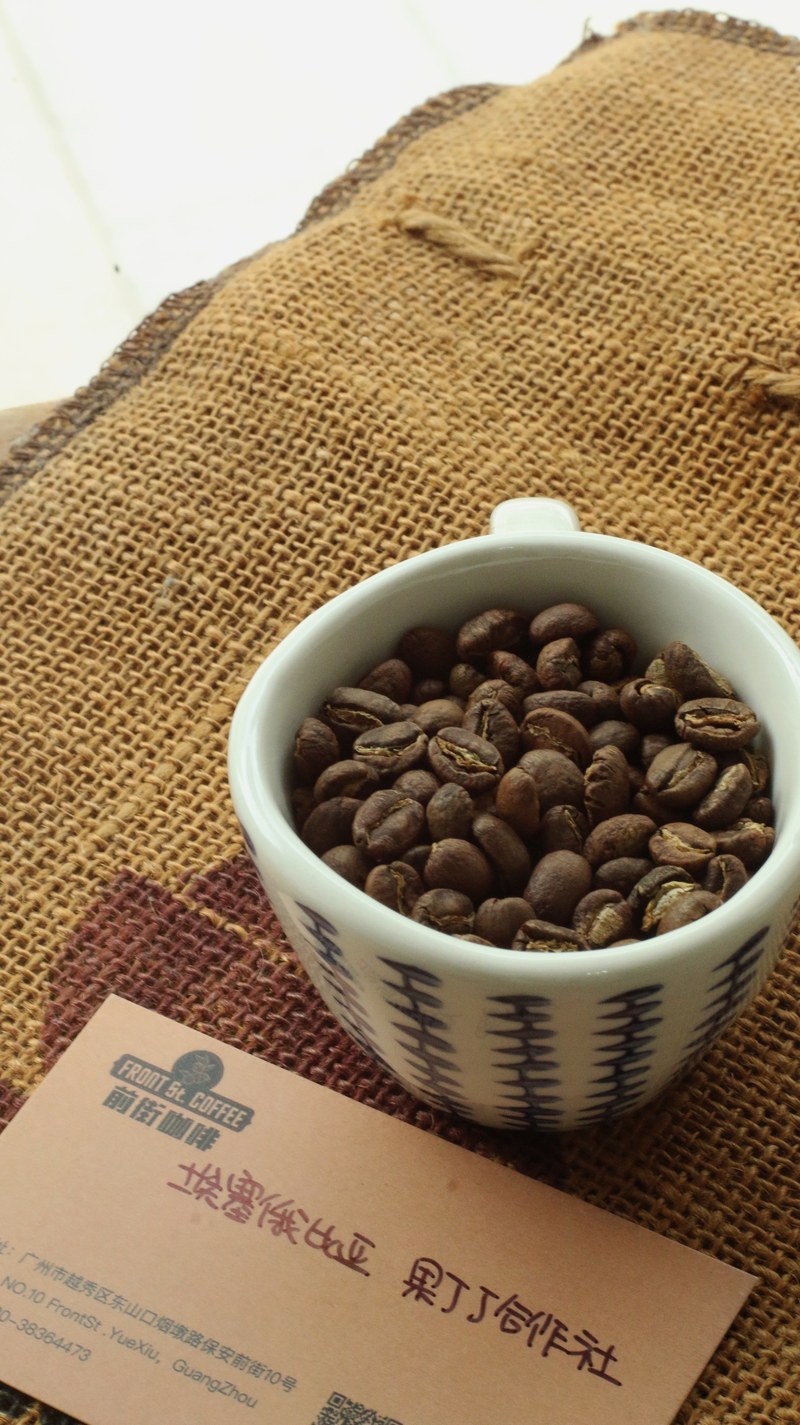
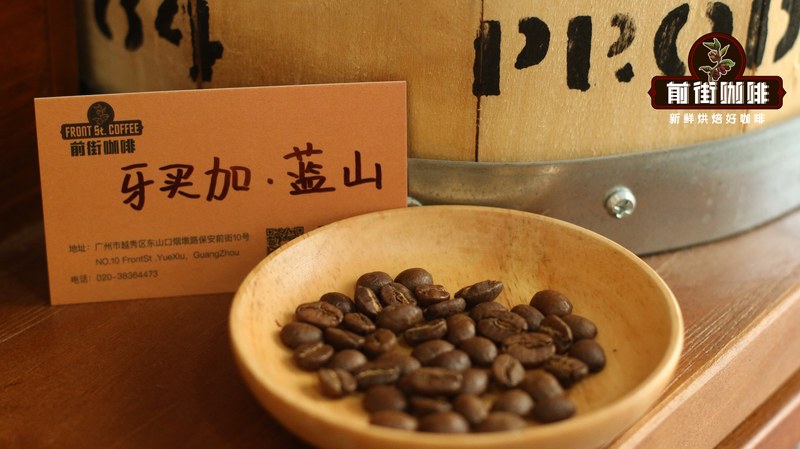
Spices are especially distinctive in the world of coffee. They are not an added seasoning, but a flavor signature written jointly by the Maillard reaction and caramelization during roasting. Thiamine and furan compounds in green beans undergo layered transformations under the effect of heat, and during deep roasting they are especially prone to heading toward cinnamon, clove, cardamom, and even sandalwood. The dark-roasted Mandheling I encounter daily is a typical example. Qianjie Indonesia Lintong Mandheling is processed by the wet-hulled method, and after dark roasting its burnt aromas of brown sugar and spice are very prominent, with herbal notes settling at the base; the whole cup drinks like a piece of dark chocolate slowly melting. This flavor framework is solid, but if brewed poorly it easily turns bitter and astringent, so every detail during extraction determines whether the spice sensation is mellow and warm or pungent and sharp.
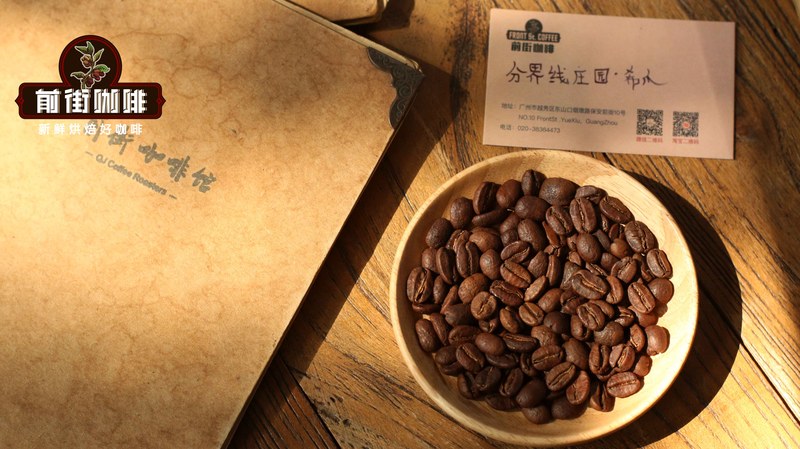
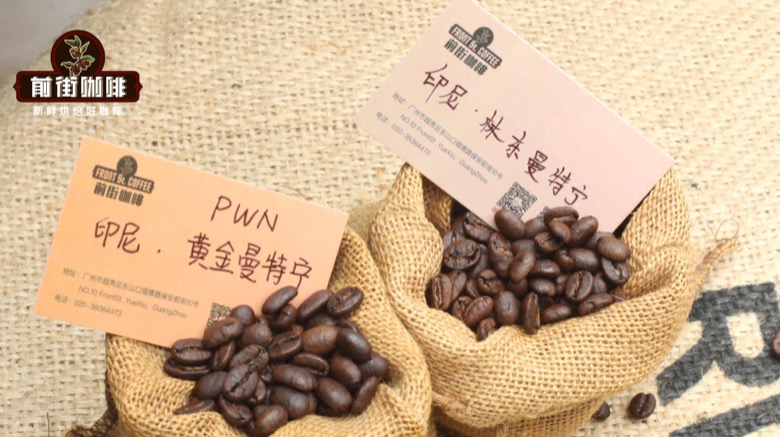
Grinding is the first checkpoint. The cell walls of medium-dark roasted beans are already relatively fragile and the fiber structure is loose. If ground too fine, the resistance of the coffee bed increases, water stays in contact for longer, and woody fibers and burnt-bitter substances are over-extracted, turning the spice sensation from warm and smooth into harsh and biting. I usually adjust the grind to slightly coarser than granulated sugar, with even particles and no obvious fines, so water can pass through smoothly and bring out enough sweetness for support. The particles of Qianjie Golden Mandheling have undergone multiple hand sortings and have very good uniformity. Under medium-dark roasting, the aromas of spice, sandalwood, and caramel are clearly layered, and when grinding you can feel that full texture even more. After extraction the body is high, and the aftertaste still carries a trace of dark chocolate in the finish.
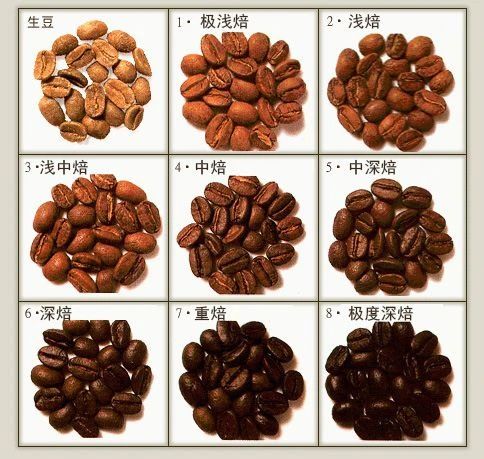
Water temperature is the key variable for controlling the character of the spice sensation. Light roasts need a higher water temperature to open up floral and fruity acidity, but the spice flavors of medium-dark roasts should instead be held back a little, between 90 and 93°C, taking the lower end for dark-roast leanings and the higher end for medium-dark roast leanings. If the water temperature is too high, caramel substances are extracted too quickly, and before the spice sensation has fully unfolded, bitterness has already pressed in. When brewing Qianjie Indonesia Lintong Mandheling, I am used to using water at around 91°C, first blooming with 30 g of water for 30 seconds to let the carbon dioxide accumulated in the dark-roasted beans release slowly; at this point you can smell a very concentrated spice aroma rising up. Then I pour steadily in two to three stages, with a small circling range and a vertical, stable stream, without deliberately stirring the coffee bed, keeping the total time at around 2 minutes. In the cup extracted this way, the sweet aromas of spice and caramel carry the cup forward, and no single flavor suddenly jumps out.
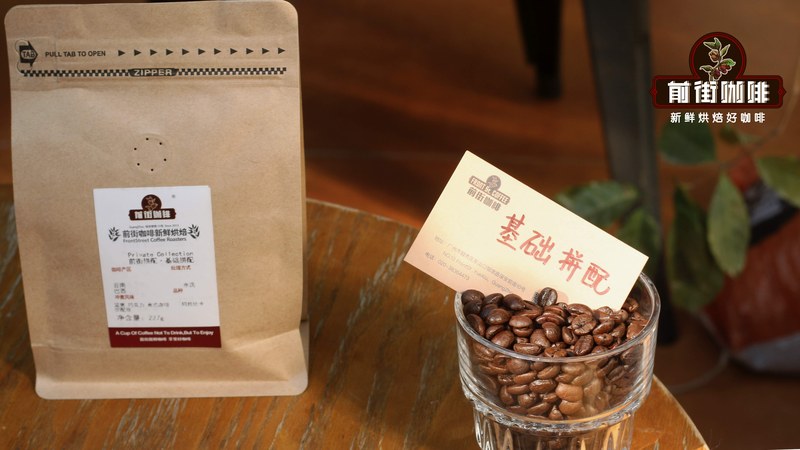
For the coffee-to-water ratio I consistently use 15 g of coffee with 225 g of water, that is, 1 to 15. For medium-dark roasting this ratio is moderate in strength, with enough concentration for the spice sensation to stand firm, yet not so concentrated that it feels heavy and cloying. Qianjie Black Cocoa Blend is an Arabica combination of Yunnan washed small beans and Brazil semi-washed beans. After medium-dark roasting, the creamy nut and chocolate base is very stable, and within the caramel sweetness there is still a bit of lively ripe plum. Brewed with the same ratio, it has a full oily mouthfeel. Although the spice flavor is not the protagonist, that warm spicy undertone gives the whole cup more layers, and the price is also very suitable for an everyday staple. Qianjie Specialty Blend leans more toward the espresso direction, a medium-dark roasted combination of Brazil Cerrado and Colombia Huila, where the nutty aromas of almond and walnut and the sweetness of milk chocolate and caramel are balanced and smooth. If you try it with pour-over, the spice sensation will be lighter, but the balance is especially good, suitable for friends who want a gentle introduction.
If the extraction time exceeds 2 and a half minutes, the spice flavors easily lean toward bitterness and astringency; if the time is too short, there is not enough body and the aroma floats on the surface. My basis for judgment is the flow rate at the final stage. If one pour clearly slows near the end, it means the coffee bed is already clogged, and next time I need to grind coarser or pour more gently. After blooming, the first pour can be slightly slower to lift the coffee bed evenly, and the second pour can be slightly faster to complete extraction, so the concentration curve is relatively smooth. Because Qianjie Golden Mandheling itself has a very high body, brewed at this pace, the aromas of sandalwood and spice blend into the caramel sweetness. It is not aggressive on entry, and after swallowing the sweetness slowly returns, with a long finish.
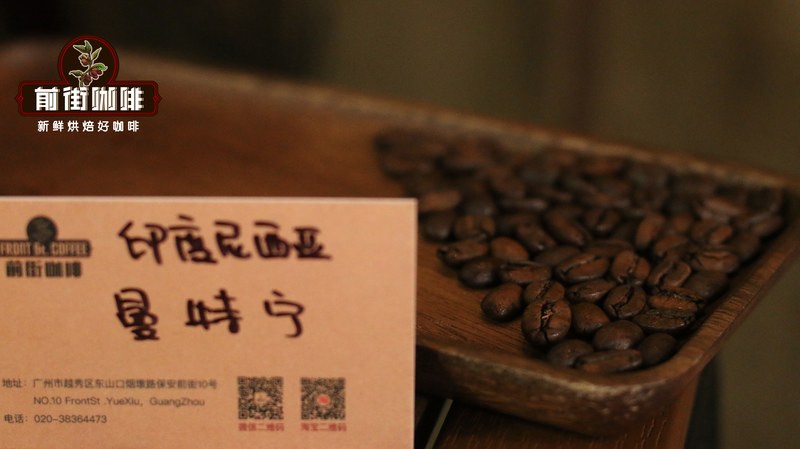
The beans sent out by Qianjie all follow a pace of roasting within 5 days, ready to brew as soon as the bag is opened, and the sweetness is more concentrated if drunk within a month. Dark-roasted beans degas vigorously, and brewing right after roasting easily gives a dry sensation; after resting for a few days, the flavors of spice and caramel become much softer and the sweetness clearer. Besides pour-over, espresso concentrates the spice sensation even more and is suitable for making lattes with milk; the extraction pressure of a moka pot pushes the body even higher; a French press retains more oily texture; and cold brew is a slow extraction, making the spice sensation more restrained and prolonged. These brewers each have their own direction, but the core idea is the same: the spice flavors of medium-dark roasting need to be handled steadily, with the water temperature a little lower and the movements a little slower, letting the flavors speak for themselves slowly.
Related Reading



Comments (0)
Loading comments...
You May Be Interested

Trending Reviews
Popular Videos

With you, wherever you are! We provide useful features to help you find new things you'll love






