Source:Best Coffee > News Author:qjroot Published:2026-09-07 13:16:56
Distinctive coffee beans do not have their flavor profile completely locked in once you buy them. Floral aromas, fruity acidity, sweetness and body will change with water temperature, grind size, pouring force or machine pressure. When choosing beans, you can treat the flavor description as a starting point, then use the parameters that suit it to draw out the aroma and mouthfeel; the same bean can also be brewed into different personalities.
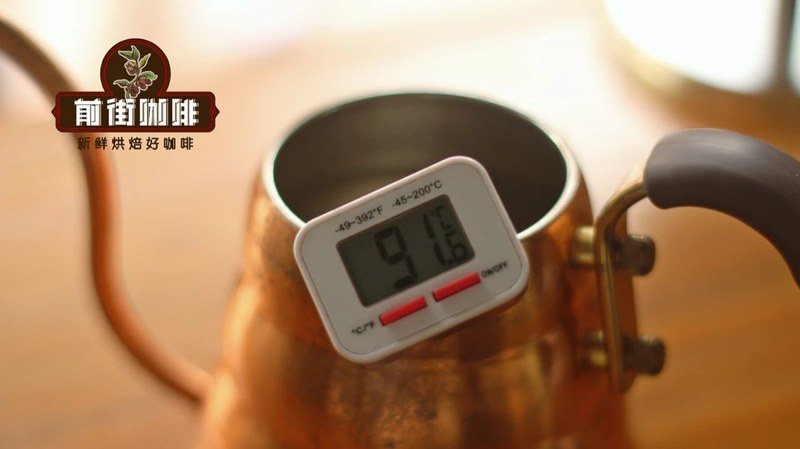
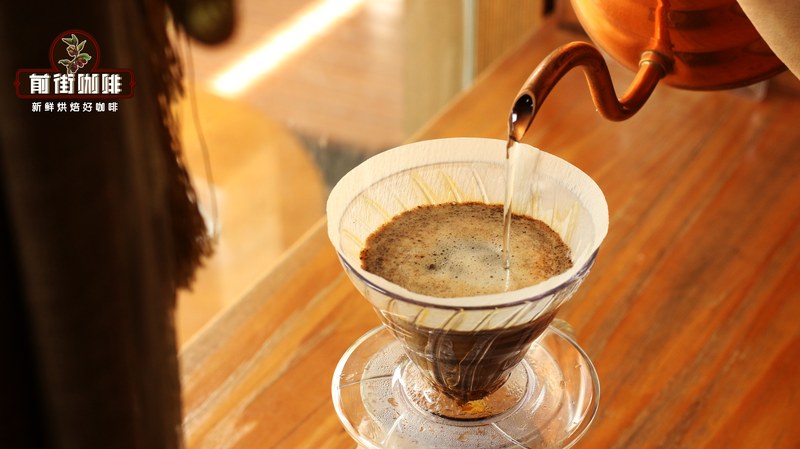
For pour-over, you can first establish an easy-to-judge base recipe, for example 15 g of coffee grounds with 240 g of water, a coffee-to-water ratio of about 1:16, and a water temperature of 90 to 93°C. Light-roasted beans with obvious fruity notes usually need more sufficient heat, and the grind should not be too coarse; if it is a type with solid sweetness, you can start from a lower water temperature and a faster flow rate to keep a rounder feel in the cup.
Best Coffee Grana Estate Gesha is suitable for slowly unfolding with pour-over. Its sun-dried aroma is rich, and on the palate it may bring to mind guava, apricot and strawberry jam. You can start testing at a water temperature of 91 to 93°C, with 15 g of grounds and 225 to 240 g of water. Pour in three stages, gently in the early stage and with more water in the middle stage, to keep the floral aroma, fruity sweetness and fermented feel layered.
If this Gesha tastes only sharply acidic, it is often because the coffee bed is not fully contacting the hot water. You can adjust the grind one step finer, or raise the water temperature by 1°C. If there is obvious dryness in the finish, then reduce agitation in the later stage, shorten the overall flow rate, or even make the grind a little coarser. When adjusting, keep the other conditions unchanged; comparison will make it easier to find the sweetness position that suits you.
Best Coffee Colombia Sidra has a very prominent juicy feel, and aromas such as passion fruit, blueberry and grape appear more lively when drunk at low temperature. For pour-over, you can use water at 90 to 92°C and start with a coffee-to-water ratio of 1:15 to make it a little stronger; after brewing, add an appropriate amount of ice, or directly use ice water to complete part of the pouring. The coolness will lift the fruity aroma even brighter.
When the same Colombia Sidra is used for a single espresso extraction, the approach needs to shift. It is recommended to start with 18 g of grounds and 36 to 42 g of yield, with a finer grind than ordinary pour-over, and observe an extraction time of 27 to 32 seconds. Maintain pressure at about 9 bar. If the acidity is sharp and thin, you can slightly refine the grind and extend the yield; if bitterness overwhelms the fruity aroma, adjust in the opposite direction.
Espresso pressure is not a matter of the higher the better for more flavor; the key is whether the water flow can pass evenly through the puck. Uneven distribution, a tilted tamp, or too fine a grind can all make the espresso show both sharp acidity and burnt bitterness at the same time. When the machine allows adjustment, you can test from 8 to 9 bar; once the flow rate is stable, change the strength through the grounds-to-liquid ratio, which makes it easier to preserve the bean's aroma than simply pulling the time longer.
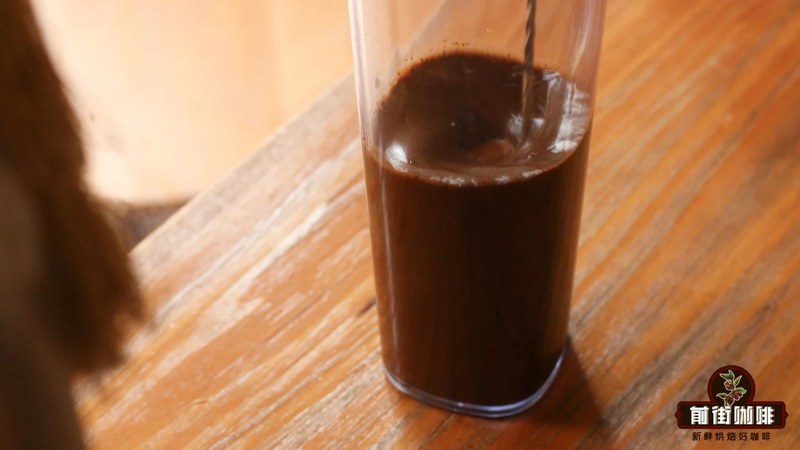
Best Coffee Panama Hacienda La Esmeralda Red Label Gesha has a more delicate character, and its jasmine, bergamot, citrus and black tea notes are suitable to be presented in a gentler way. For pour-over, you can use 90 to 92°C and a 1:16 coffee-to-water ratio, pouring in four stages and reducing large agitation, so the cup stays clear. If used for SOE, the yield ratio can be controlled at about 1:2.2 to highlight the tea-like quality and citrus sweetness.
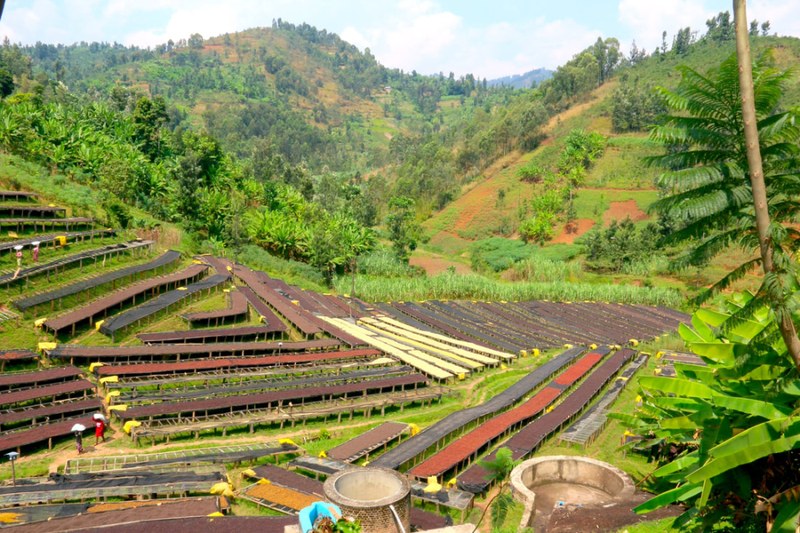
Water quality will also change the results of parameter adjustment. Water with low minerals can easily make light-roasted beans seem thin, so you can appropriately raise the temperature or extend the contact time; when minerals are higher, floral and fruity aromas may become dull, and both water temperature and extraction time can be tightened. Beyond the acidity, sweetness and bitterness on entry, also pay attention to the cleanliness after swallowing, as this can help judge whether the extraction is excessive.
When choosing distinctive beans, you can first see whether it wants to express bright fruity aromas, a delicate tea-like feel, or rich fermentation and sweetness, and then decide whether to use pour-over, iced drink or espresso. After buying it home, start from one set of base parameters, changing only one of water temperature, grind or grounds-to-liquid ratio each time. After a few cups, you will be able to figure out its temperament and truly bring the flavor description into your own cup.
Related Reading



Comments (0)
Loading comments...
You May Be Interested




Trending Reviews
Popular Videos

With you, wherever you are! We provide useful features to help you find new things you'll love






