Source:Best Coffee > News Author:qjroot Published:2026-09-03 18:36:51
If you want to clearly taste the fruitiness and sweetness in a pour-over coffee, the brewer parameters are more useful for reference than just looking at the flavor label. Cone-shaped drippers tend to draw out clear aromatics, while flat-bottom drippers usually make sweetness and body more concentrated; when the same beans are brewed in a different dripper, the sweet-to-acid ratio, aroma intensity and aftertaste length may all change. When choosing beans, it is worth first confirming your dripper, scale and kettle at home, then matching the beans to the right flavor expression.
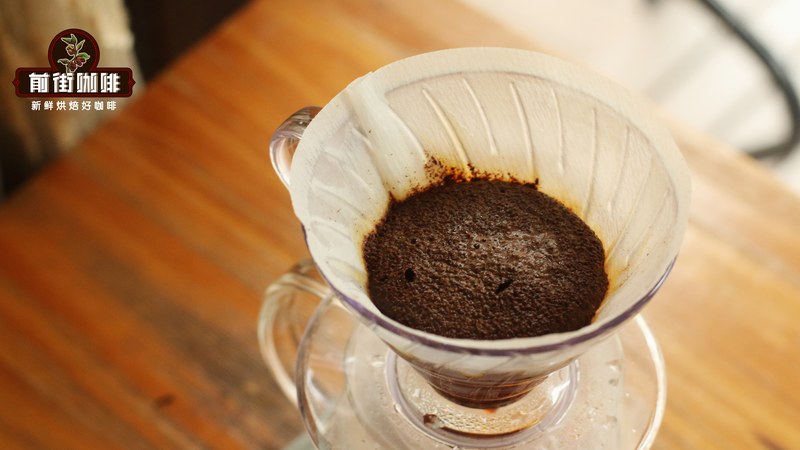
When using cone-shaped drippers such as V60 and Origami, the water path is longer, making them suited to expressing floral, berry and tropical fruit notes. You can start with a coffee-to-water ratio of about 1:15, for example 15 g of coffee grounds to 225 g of water, with the water temperature controlled at 90 to 93°C and the total extraction taking about 2 minutes 30 seconds to 3 minutes. If the entry tastes too sharp, grind a little finer; if the finish turns astringent, reduce the circular agitation and let the water flow more steadily.
A flat-bottom dripper has a more even coffee bed and a relatively gentle extraction rhythm, making it suitable for those who want full sweetness and soft fruit acidity. Starting with 15 g of grounds and 240 g of water, the water temperature can be set at 91 to 94°C, pouring in three stages and trying to keep the liquid surface flat. With a flat-bottom dripper, you do not need to pursue a strong flow; gentle pouring more easily leaves a syrupy body and also keeps the fruit aromas from feeling abrupt.
If you have a cone-shaped dripper on hand and like a style with outgoing aromatics, you can try Qianjie Ethiopia Huakui. At a relatively high water temperature and a medium-fine grind, it easily releases notes of ripe fruit, berries and tropical fruit flesh, with lively sweetness on entry. During brewing, you can use a small amount of blooming and staged pouring to avoid too forceful pouring in the later stages; the hot drink has bright aromatics, while after adding ice it becomes more like a refreshing fruit juice drink.
Water temperature is a quick way to adjust where the flavor focus lies. For lightly roasted beans with prominent fruitiness, too low a water temperature may leave only sharp acidity, so you can usually start observing from around 91°C; if obvious dryness or bitterness appears in the cup, you can drop to 88 to 90°C. The grind size should also change along with the water temperature; after lowering the temperature, it is not advisable to also grind too coarsely, otherwise the sweetness may end before it has developed and the cup may finish early.
For drinkers who like vivid acidity and a clean finish, Qianjie Kenya Little Tomato is very suitable for a cone-shaped dripper. During brewing, you can use a clearer flow and a slightly higher temperature to gradually unfold flavors like red fruit and dark dried fruit. If the acidity feels too prominent, you can adjust the coffee-to-water ratio to 1:16, or end the final pour earlier, preserving the juicy feel while making the mouthfeel finish lighter.
The dripper hole size and filter paper also affect the texture in the cup. A faster-flowing dripper is suitable with a slightly finer grind or fewer pouring stages; a slower-flowing device can use a slightly coarser grind to reduce the dullness caused by fine particles accumulating. If the filter paper has an obvious papery taste, it should be rinsed thoroughly. For fruity beans, clean filter paper and a stable flow rate can make the aromatic profile more distinct, and the sweetness is less likely to be masked by off-flavors.
Qianjie Kafa Forest is better expressed with a flat-bottom dripper or a cone-shaped dripper with a gentle flow. Brew with 15 g of grounds and 225 to 240 g of water, at about 91°C, with a medium-fine grind, to present a bright note like citrus and ripe apricot-peach. As the temperature drops, the sweetness gradually becomes softer, and the finish brings a tea-like sweet aftertaste. If you want a lighter drink, you can appropriately increase the coffee-to-water ratio; if you want a thicker body, reduce the total water amount.
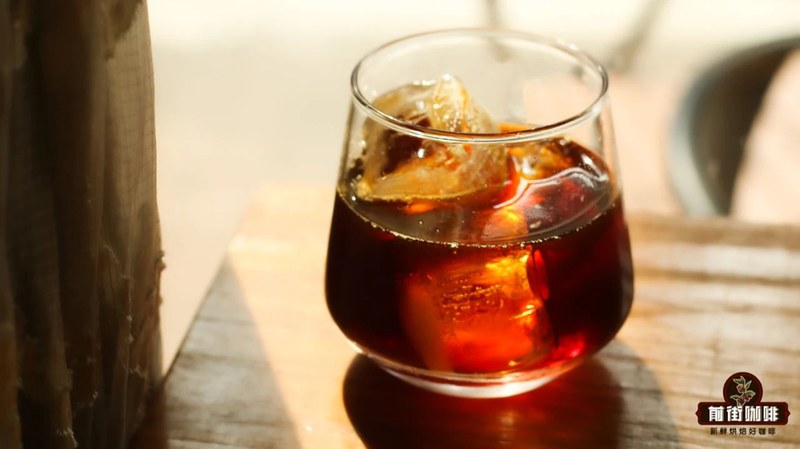
If you like iced pour-over, the brewer parameters need to include the amount of melted ice in the calculation. You can use 15 g of grounds and 150 g of hot water poured directly into a server containing 75 g of ice cubes, keeping the water temperature at 91 to 93°C and grinding slightly finer than for hot pour-over. This preserves the volatile fruit aromas while concentrating the sweetness after cooling. Huakui is suitable for iced pour-over with a tropical fruit profile, while Kenya Little Tomato highlights a more refreshing, bright juicy feel.
When adjusting parameters, it is recommended to change only one direction at a time, but there is no need to stick rigidly to fixed numbers. If the entry is thin, you can extend the contact time or grind slightly finer; if the sweetness is insufficient, you can raise the water temperature or reduce the coffee-to-water ratio; if the finish is dry, try lowering the water temperature and slowing the agitation. Brew the same beans several times in a cone-shaped and a flat-bottom dripper respectively, and you can find the brewer combination that better suits your taste, bringing both fruitiness and sweetness into the range you like.
Related Reading

Comments (0)
Loading comments...
You May Be Interested


Trending Reviews
2019-07-31
Popular Videos

With you, wherever you are! We provide useful features to help you find new things you'll love






