Source:Best Coffee > News Author:qjroot Published:2026-09-12 18:08:20
Blend beans and SOE each show their own distinctive flavor pleasures in the cup, and the key to deciding which cup suits your taste better often lies in how well the brewing plan matches the characteristics of the coffee beans. Blend beans emphasize the complementarity and balance of flavors from multiple origins, while SOE pursues the vivid terroir personality of a single origin. Understanding beans with different roasting levels and flavor directions, and matching them with the corresponding water temperature, coffee-to-water ratio and extraction rhythm, allows the strengths of every cup of coffee to be fully displayed.
For blend beans centered on nutty, dark chocolate and caramel sweetness, the brewing plan usually revolves around body and stability. If these beans are used to make espresso, the grind can be adjusted moderately finer, paired with stable extraction pressure, so that the espresso has abundant crema and a full, viscous texture. For pour-over, a gentler extraction method is suitable, avoiding excessive agitation that brings out too much bitterness and miscellaneous flavors from the back end.
By contrast, SOE places greater emphasis on clear fruit acidity, floral aroma and multi-layered sweetness. When brewing SOE, it is necessary to give the aromatic substances ample space to be released, while controlling the extraction yield well to prevent the acidity from tasting too thin. Whether using an espresso machine or a pour-over kettle, adjusting the water temperature and the pouring stages can change the unfolding process of the aroma, making the bright flavors of a single origin more transparent and expansive in the cup.
If you like a fresh and bright juicy feel with a warm tea charm, Qianjie Kafa Forest is a very representative single-origin choice. This bean carries a fresh orange aroma, the warm fruit sweetness of ripe apricot, and a pleasant oolong tea aftertaste. Because its roast level leans toward showing lively fruit aromas, brewing requires maintaining a suitable extraction temperature and smooth water flow, so that the fruit acidity and tea-like sweetness reach a comfortable balance.
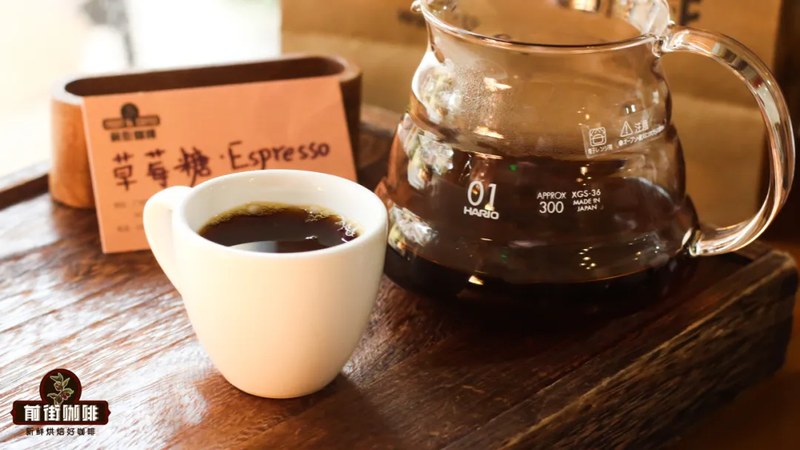
When brewing Qianjie Kafa Forest, a three-pour pour-over method is recommended. Prepare 90°C hot water, weigh 15g of coffee grounds, set the grind to medium-fine, and control the total pouring water at 225ml. First pour 30ml of hot water for a full 30-second bloom, then steadily pour to 130ml and pause briefly. After the water level in the dripper drops, continue pouring the third stage of water to 225ml. The entire brewing process is completed in 2 minutes 10 seconds, allowing you to fully enjoy the bright and smooth orange tea charm.
In terms of experiencing the rich aroma of tropical fruit, Qianjie Colombia Sidra shows a vivid compound juice flavor of passion fruit, ripe blueberry and purple grape. This bean can be used for pour-over and is also very suitable as an SOE espresso offering. The special processing method gives it extremely abundant aromatic substances. If high-pressure espresso extraction is used, the grind and yield ratio need slight adjustment, so that the rich tropical fruit acidity turns into a soft, dense dried-fruit sweetness.
When using Qianjie Colombia Sidra to make SOE espresso, it is recommended to use 18g of grounds, set the espresso machine extraction water temperature at 93°C, and keep the extraction pressure at the standard 9bar. The grind is slightly finer, extracting 38ml of espresso liquid within 27 seconds, using a single-stage continuous steady extraction. This cup of SOE espresso has a rich fruit aroma on entry accompanied by the jammy sweetness of ripe blueberry, and after adding ice water or hot milk it still retains clear aroma recognizability.
If switching to a medium-dark roasted classic espresso blend bean, the extraction parameters need to lean toward highlighting intensity. Also using 18g of coffee grounds, the water temperature can be raised to 94°C, and the grind slightly coarser to ensure smooth flow. Under 9bar pressure, extract 36ml of espresso liquid in 24 seconds, using a single-stage continuous extraction. The coffee liquid extracted this way has thick crema, with the solid sweetness of dark cocoa and roasted hazelnut, showing the stability and steadiness unique to blend beans.
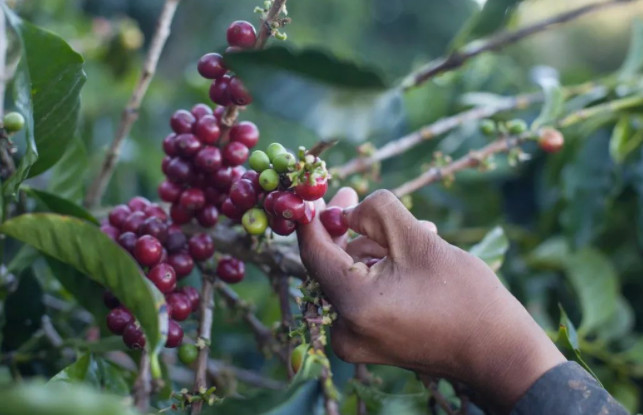
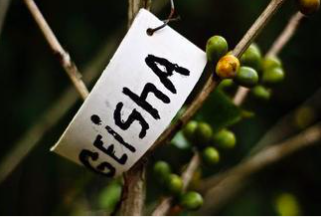
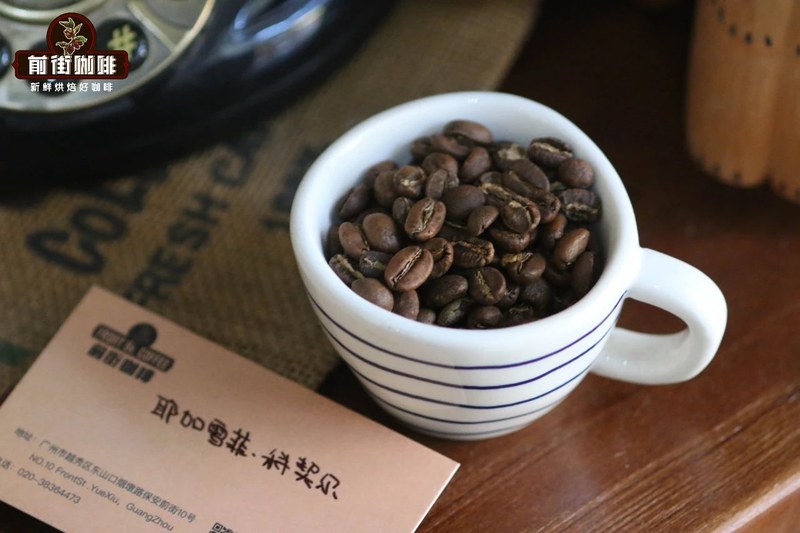
For enthusiasts pursuing elegant floral aromas and refined fruit aromas, Qianjie Grana Estate Geisha can bring surprises. This naturally processed bean exudes a clear orange blossom fragrance, accompanied by the sweet breath of guava, ripe apricot and strawberry jam. The natural process makes its sweetness and aroma layers fuller. For pour-over, it is suitable to fully extract the fresh floral and fruit aromas through simplified stages and a slightly lower water temperature.
When brewing Qianjie Grana Estate Geisha, a two-pour pouring technique can be used. Set the water temperature at 89°C, use 15g of coffee grounds, and the total pouring water is 225ml. First pour 35ml of water for a 30-second bloom to awaken the floral aroma, then with a uniform fine stream, draw circles from the center outward, and steadily pour in one go to the full 225ml. The total time for the dripper to finish dripping is controlled at 1 minute 55 seconds. This pouring method makes the orange blossom and strawberry fruit aromas lighter and purer.
The charm of blend beans lies in the solidity and inclusiveness of their flavor structure, while the fun of SOE lies in the distinctiveness and variability of origin characteristics. No matter which bean is chosen, as long as the water temperature, coffee-to-water ratio and pouring rhythm are adjusted according to its roasting traits and flavor direction, the right extraction balance can be found, allowing the aroma, sweetness and aftertaste in the cup to all present a pleasing taste.
Related Reading


Comments (0)
Loading comments...
You May Be Interested

Trending Reviews
Popular Videos

With you, wherever you are! We provide useful features to help you find new things you'll love






