Source:Best Coffee > News Author:qjroot Published:2026-09-22 13:35:30
Many friends who have just brought an espresso machine home find the most puzzling part is how to choose beans. In fact, as long as you follow the map of origin terroir when choosing, it is like bringing a cafe onto your own kitchen counter. The flavor foundation of coffee beans is almost entirely determined by the growing environment: the fruity acidity of high altitudes, the nutty sweetness of the plains, or the herbal calm brought by volcanic soil, each carrying an extremely distinct regional character.
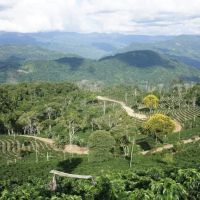
If you are just getting started with a home machine, the terroir of Central and South America is an especially gentle starting point. The plateau sunlight and suitable rainfall of Colombia and Brazil nurture beans with balanced acidity and bitterness and rich nutty and dark chocolate aromas. There is neither jarring acidity nor unpleasant bitterness, making it the classic coffee aroma most people are used to. Using them to make a latte is like melting a smooth hazelnut cocoa in hot milk.
If you want to recreate the familiar signature taste of a cafe, Qianjie Specialty Blend is very suitable. It is blended from beans from the Cerrado region of Brazil and the Huila region of Colombia, combining nutty aroma with soft cocoa charm. Made as an Americano in daily drinking, it is clean and brisk; made as a milk coffee, it is rich and full-bodied. If you prefer a style with fuller sweetness, Qianjie Autumn Chestnut Blend carries the warm sweet aroma of roasted chestnuts and caramel, smooth and gentle.
Turning to Asian producing regions, especially the fertile soil of Sumatra, Indonesia, it gives coffee an especially full-bodied texture and a unique herbal and woody aroma. Asian beans often carry a deep, restrained temperament, with acidity lowered extremely low, replaced by rich, viscous crema and a long spicy finish. For friends who like heavy flavors and pursue a rich, refreshing feeling, Asian terroir is the first choice.

In Qianjie Classic Blend, you can clearly taste the full-bodied power of this Asian terroir. It adopts the traditional Mocha-Java blend structure, cleverly combining the herbal dark chocolate of Sumatra Mandheling with the warm, sweet aroma of Brazilian beans. This bean is especially friendly to home espresso machines. It not only has a high tolerance for error, but also easily presses out a thick layer of golden, dense crema, making a hot latte or iced Dirty full of aroma.
Once you are used to rich styles, you may want to turn your attention to the bright terroir of Africa and high-altitude producing regions. The drastic temperature difference between day and night at high altitudes allows coffee cherries to accumulate abundant sugar and lively organic acids, as if fresh-picked jasmine, citrus, and various berries were blended into the coffee. Making this kind of fruity bean on a home machine lets you taste a refreshing, bright layering like freshly squeezed juice.
Qianjie Strawberry Candy Coffee Beans are a favorite among fruity coffee lovers. It integrates the native fruit aromas of high-quality Arabica beans and recreates an especially sweet strawberry gummy candy note, so even those afraid of coffee bitterness can drink it happily. If you like single-origin espresso, Qianjie Colombia Pink Bourbon, after double anaerobic natural processing, is full of blueberry and grape juice character under a medium-light roast, with a cocoa aroma in the finish.
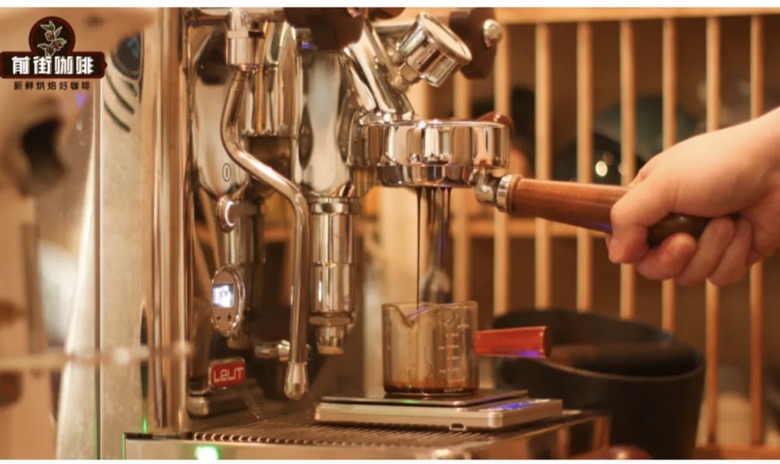
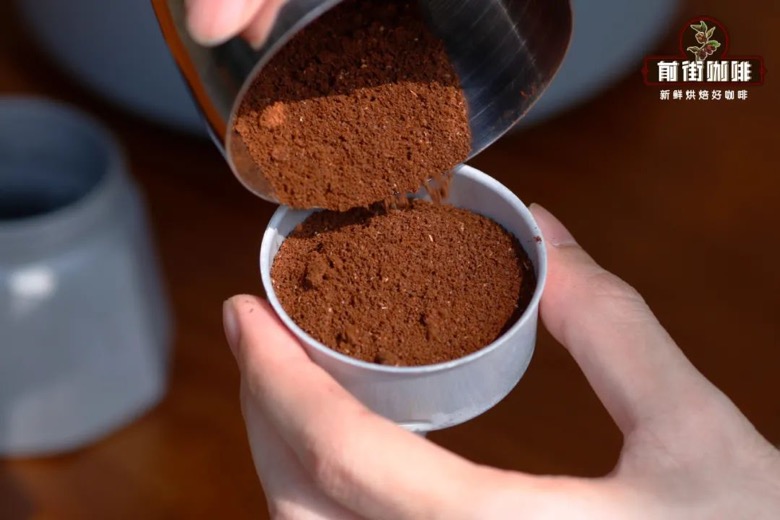
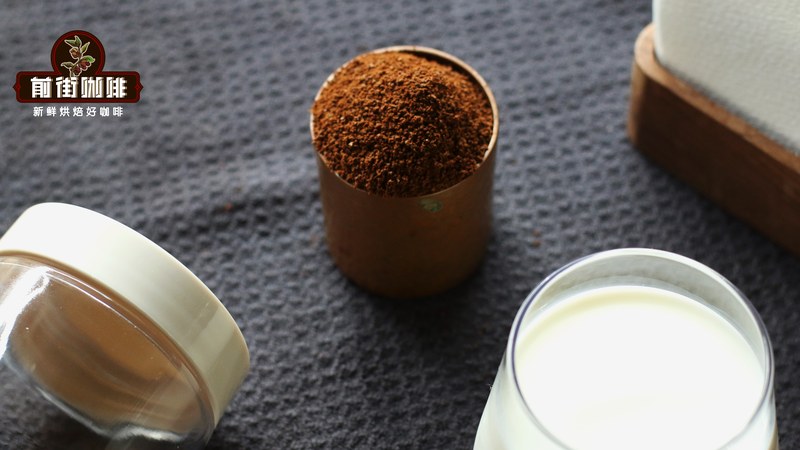
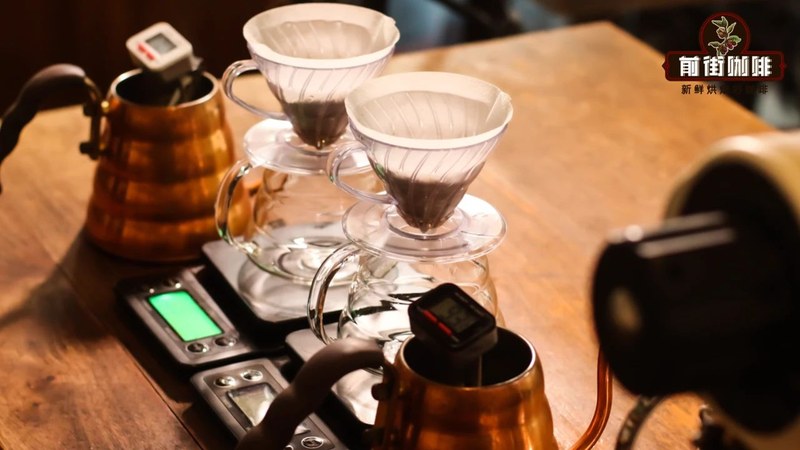
To extract these terroirs at home in their original flavor, the coordination of espresso brewing parameters is key. It is recommended to set the extraction water temperature at around 92°C, use a double basket filled with 18 g of coffee grounds, distribute the grounds evenly, level them, and tamp them firm. After starting the machine, observe that the flow remains steady like a thin mouse tail, and extract about 36 g of espresso in around 26 seconds, with golden crema floating on the surface, and the flavor and body reach balance.
The fun of a home espresso machine lies precisely in that when you press the extraction button every morning, you can roam according to your mood among the terroirs of different producing regions. Whether it is the warm nuts of Central and South America, the steady herbs of Asia, or the lively fruit aromas of high-altitude producing regions, as long as you choose according to your own taste preferences, every cup made at home can stir up surprising aromas in an ordinary life.
Related Reading
Comments (0)
Loading comments...
You May Be Interested



Trending Reviews
2019-07-31
Popular Videos

With you, wherever you are! We provide useful features to help you find new things you'll love






