Source:Best Coffee > News Author:qjroot Published:2026-09-19 12:49:49
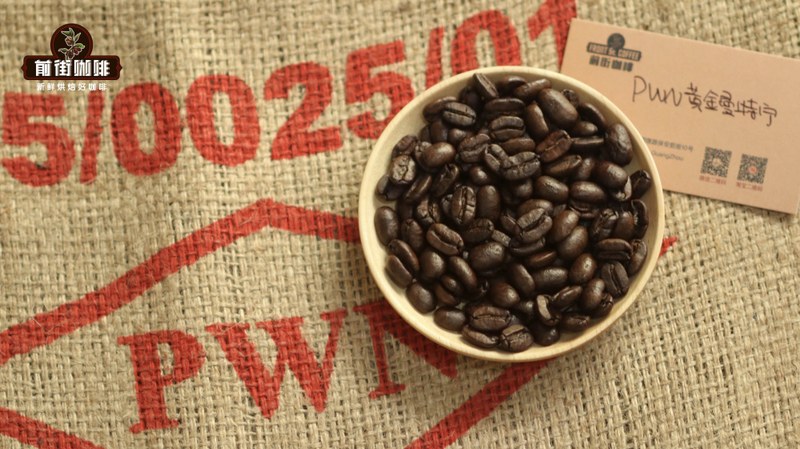
Coffee bean bags are labeled as single origin or blend, representing two different flavor logics. Single origin beans emphasize the terroir characteristics, varieties and processing details of a specific region, and what you taste is the distinct personality brought by regional terroir; while blended beans are a balanced taste created by the roaster combining beans from different origins to achieve a coordinated ratio of acidity, sweetness and bitterness and stable crema. Once you understand this baseline, your approach to choosing beans will become much clearer.
Reading a blend's recipe sheet is like getting a flavor blueprint. Usually the green beans with a high proportion in the recipe form the skeleton of the whole cup. For example, if Brazilian beans make up most of it, they often bring mild nutty aroma and thick crema; if Central American beans are in a higher proportion, caramel sweetness and soft acidity will be more prominent. The 20% to 30% of African washed beans added as accents in the recipe are mostly there to add lively floral and fruity aromas. Once you understand the proportions, you can predict the flavor direction in the cup.
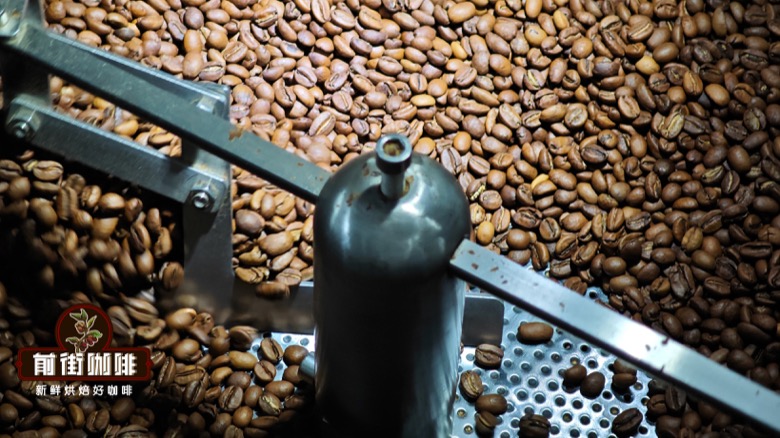
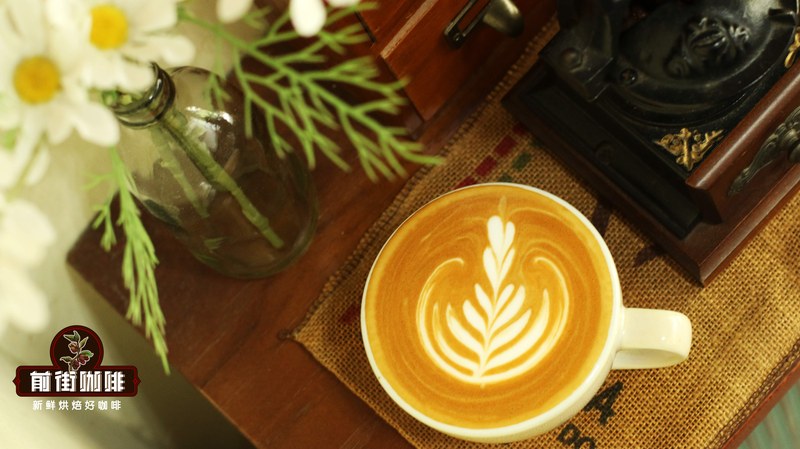
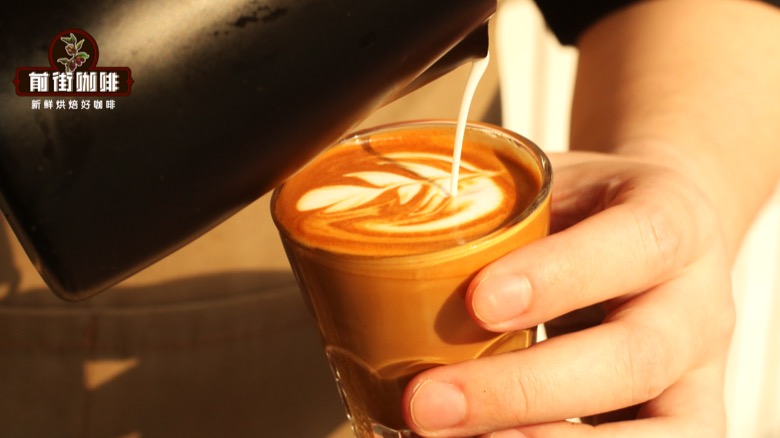
Traditional blends are almost the tacit partner of lattes and other milk coffees. When designing traditional blends, roasters strengthen the caramelization reaction so that cocoa, nut and creamy aromas become more concentrated. For espresso extraction, use 19g of grounds, and under constant-pressure extraction obtain 38g of coffee liquid within 26 seconds. After pouring in steamed milk, the full body can merge with milk fat, presenting a silky texture like chocolate milk, and even with plenty of milk it will not mask the coffee aroma.
Unlike the steadiness pursued by traditional blends, SOE, or single-origin espresso, concentrates the distinct personality of single origin beans into an espresso machine. This way of drinking breaks the impression that traditional espresso is mainly bitter and sweet, and directly presents bright floral and fruity aromas in high concentration. Mixed with water to make a fruity americano, it is refreshing and transparent; combined with a little milk to make a flat white or piccolo, it reveals a uniquely fruity and creamy flavor.
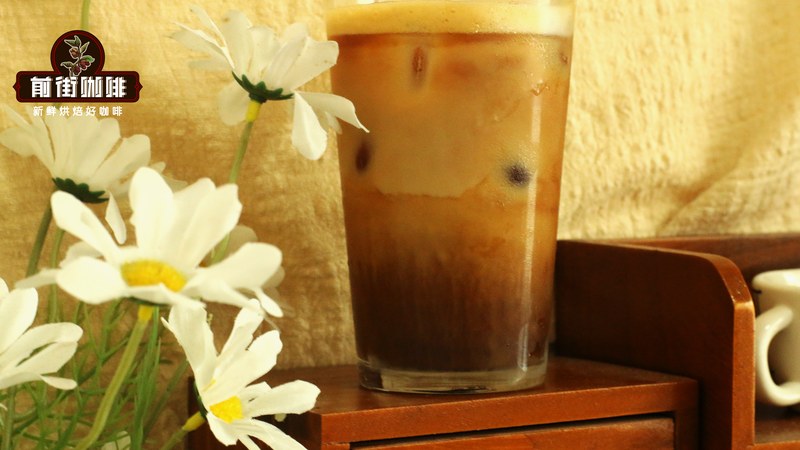
If you want to experience the lively, passionate juice-like quality of SOE, Qianjie Colombia Sidra is a vivid example. This bean itself carries full-bodied passion fruit, blueberry and ripe apricot notes, with abundant juicy flavor. When making espresso, fill 18g of grounds, rely on low-pressure pre-infusion combined with constant-pressure extraction, and extract 36g of coffee liquid within 27 seconds. Mixed directly with ice water to make an iced americano, it tastes like drinking chilled fruit tea, clean, sweet, transparent and with lasting aroma.
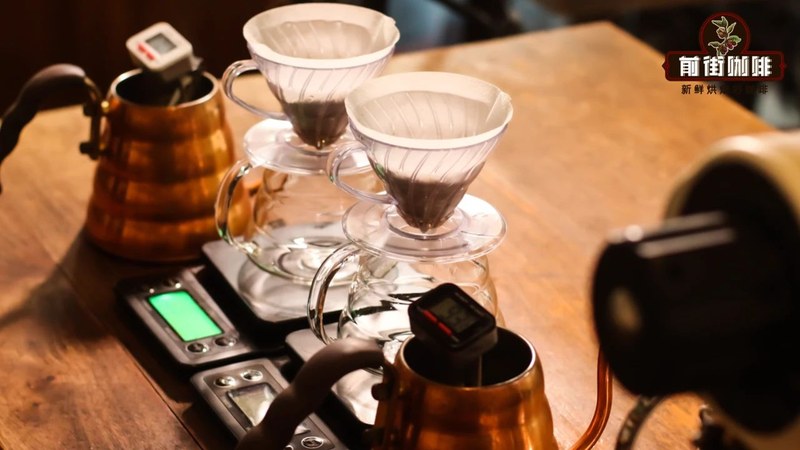
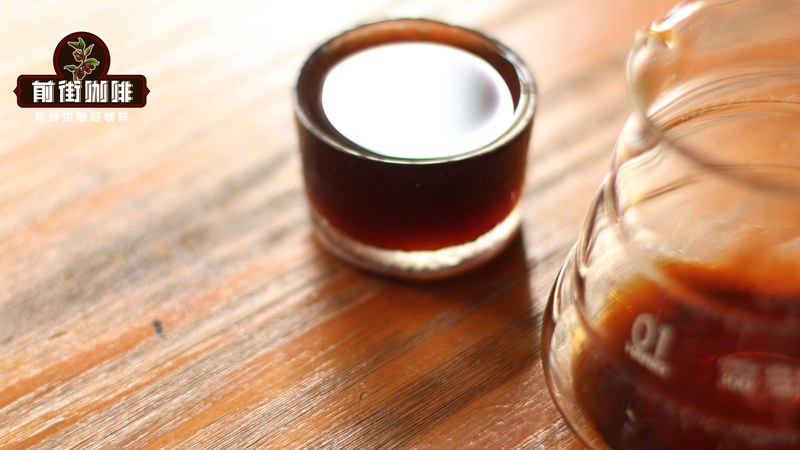
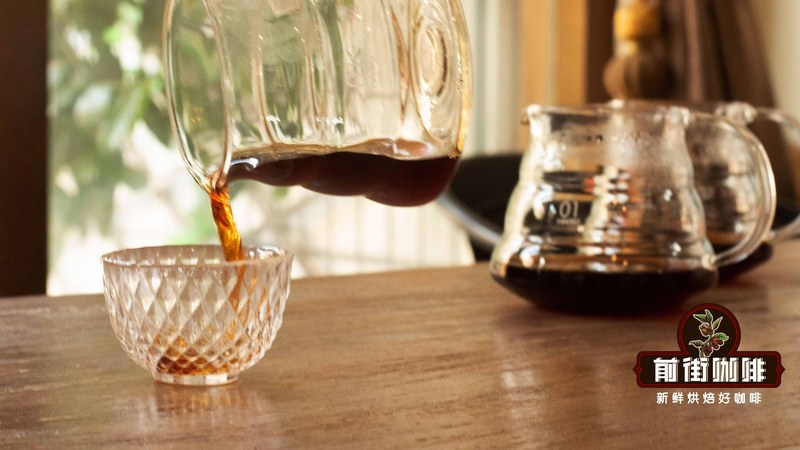
If you usually use a pour-over kettle to extract slowly, single origin beans can naturally show abundant layered beauty. The wonderful thing about the single origin route is that every green bean records the terroir characteristics of a specific origin. The clarity and purity of washed processing, and the tropical fruit aromas of natural processing, can both be clearly parsed in the drip filtration of filter paper. In leisurely moments, slowly savoring the floral and fruity aromas in the cup as they change with temperature is the unique pleasure of single origin pour-over.
In Qianjie Granja Geisha, the elegant aroma of single origin pour-over is especially fully expressed. This naturally processed bean gives off a clear orange blossom fragrance, interwoven with warm, sweet aromas like guava, apricot and strawberry jam. When brewing, take 15g of grounds, use 91°C water at a 1:15 coffee-to-water ratio for extraction. First pour 30g of water and bloom for 30 seconds, then gently pour in two stages up to 225ml, with the total time controlled at 2 minutes 05 seconds, and the entry is bright and layered.
If you prefer a clean, soft tea-like charm, Qianjie Kafa Forest shows the native light elegance of its origin. Its flavor leans toward fresh orange and full apricot, with a long oolong tea sweet aftertaste after swallowing. For pour-over, take 15g of grounds, choose 90°C water and a 1:15 coffee-to-water ratio, pour 30g of water and bloom for 30 seconds, then use a steady one-stage single pour up to 225ml, with the total time controlled at 1 minute 55 seconds. After the temperature drops slightly, the sweetness in the cup becomes more distinct.
Once you understand the characteristics of single origin and blends, you have a clear direction for choosing beans. If on ordinary days you pursue fast serving and are used to pairing fresh milk in the morning for a rich latte, a traditional medium-dark roasted blend with a clear recipe is worry-free and reliable; if in your leisure time you have plenty of time to slow down and want to explore the wonderful fruity aromas and delicate floral notes of terroirs around the world, then choosing several single origin beans with distinct flavors for careful pour-over can better let you appreciate the countless aspects of the coffee world.

Single origin and blends are not opposing camps, but paths to different flavor enjoyments. By understanding the recipe thinking and origin logic behind the bean bag, you can find the bag of beans that suits you according to your current mood, brewing equipment and taste preferences. From the fragrant, silky blended milk coffee in the morning to the Geisha floral and fruity aroma savored slowly in the afternoon, knowing how to switch freely between single origin and blends naturally makes daily coffee time rich and interesting.
Related Reading

Comments (0)
Loading comments...
You May Be Interested

Trending Reviews
Popular Videos

With you, wherever you are! We provide useful features to help you find new things you'll love






