Source:Best Coffee > News Author:qjroot Published:2026-09-18 17:05:10
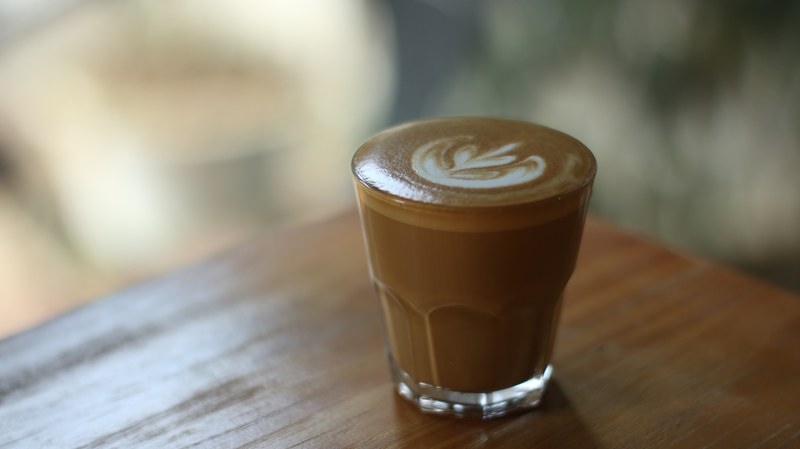
When practicing latte art patterns, coffee enthusiasts tend to focus all their energy on steaming milk foam. In reality, the layer of golden crema that supports the white milk foam directly determines the stability and clarity of the latte art lines. The thickness of the crema depends not only on the roast level and freshness of the beans themselves; the water hardness and total dissolved solids (TDS) in the water tank also play a hidden role. When the water is adjusted properly, the espresso crema layer becomes fine and dense, and the base color will not be washed apart when the milk foam is swirled.
Everyday tap water tends to be on the hard side and contains residual impurities. Excessive minerals can easily over-extract the coffee grounds, bringing out a heavier astringent taste. Purified water, on the other hand, lacks calcium and magnesium ions, so the extracted crema tends to become thin and fragile, and the milk foam often sinks straight to the bottom when poured. When practicing espresso latte art at home, it is recommended to choose soft water or household filtered softened water with a TDS between 50 and 100 ppm. This allows the flavor compounds and crema in the coffee grounds to emulsify out in a more balanced way.
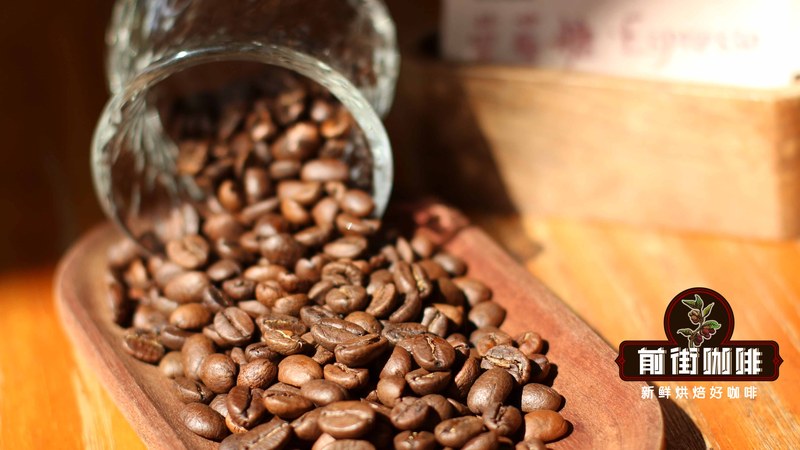
When choosing coffee beans suitable for learning latte art, if you want to balance crema performance with lively, bright fruit aromas, a light-to-medium roast single origin espresso bean is an excellent direction to try. Qianjie Colombia Cidra is very well suited as a fruity-style latte base. It naturally carries an abundant juicy quality of passion fruit, blueberry, ripe grape and apricot, and after being blended with warm milk, it still retains a clear, sweet fruit juice flavor, filling the whole milk coffee with layers.
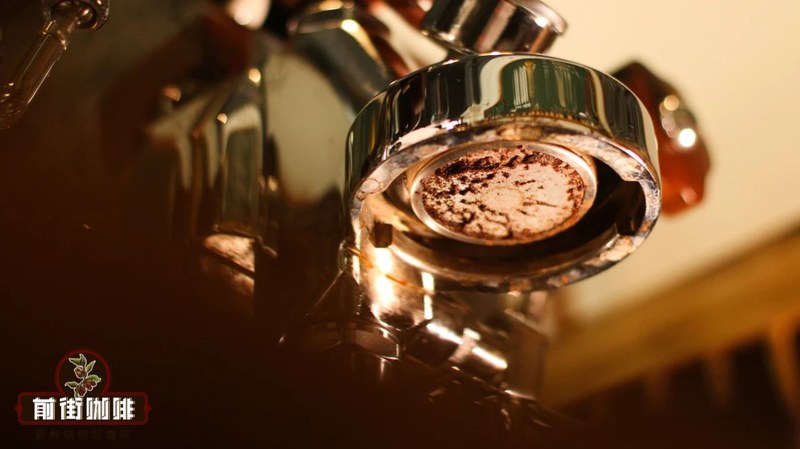
When extracting Qianjie Colombia Cidra to make espresso, use a water temperature of 90°C, take 18 g of coffee grounds and pour them into a double bottomless portafilter, level and tamp, then load it into the group head. First pre-infuse at 2 bar low pressure for 5 seconds, then turn on 9 bar constant pressure extraction, and at 26 seconds extract 36 g of coffee liquid. The espresso flowing out at this point is covered with a soft, bright, thick reddish-brown crema, which provides excellent buoyancy when pouring dense micro-foam; pushing out a tulip or a rippled heart will show clearly defined lines.
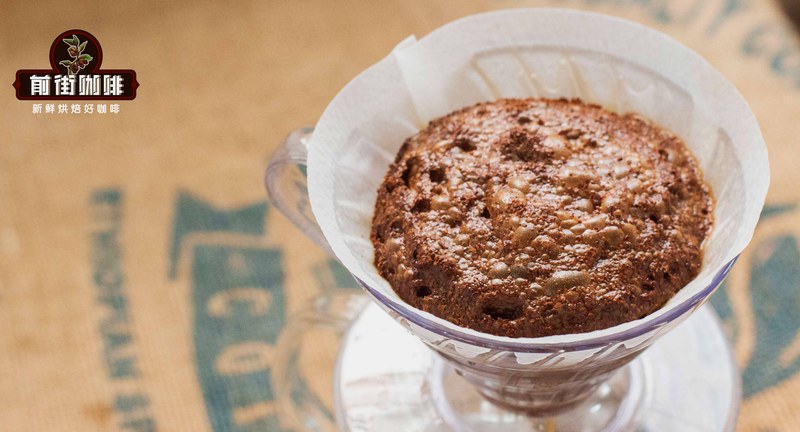
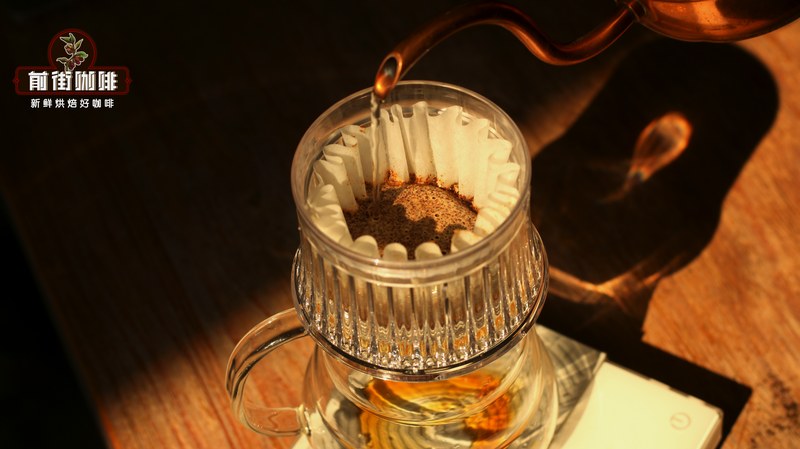
If you want to drink black coffee outside of latte art practice, this bean can also showcase its character through pour over with adjusted water quality. It is recommended to use slightly soft water with a TDS of about 60 ppm, set the water temperature at 91°C, and use 15 g of coffee grounds with a 1:15 coffee-to-water ratio. First pour 30 ml of water for a 30-second bloom, then use a two-stage pouring method: first pour steadily in circles up to 130 ml and pause briefly, then continue pouring up to 225 ml and stop. Keep the total time at 2 minutes 05 seconds, and the resulting cup is like a warm, gentle blueberry juice.
Besides tropical fruit fermented tones, those who prefer fresh citrus and floral notes can also try Qianjie Yirgacheffe Gudingding. This bean exudes a jasmine-like aroma with a light citrus sweetness and acidity, and the finish carries a faint green tea aftertaste. When the water hardness is moderate, the appropriate amount of magnesium ions in the water can beautifully highlight the coffee bean's original fruit acidity and sweetness, making the acidity of a light roast appear round and gentle without producing a sharp sensation on the tongue.
When making Qianjie Yirgacheffe Gudingding as pour over, you can use a water temperature of 92°C to better bring out the lifted floral aroma, use 15 g of grounds with a 1:15 coffee-to-water ratio, for a total poured water volume of 225 ml. Use a three-stage pouring technique: pour 35 ml of water to evenly wet the coffee bed and bloom for 30 seconds; in the second stage, gently pour 95 ml to raise the water level; when the liquid level falls, pour the final 95 ml, with the total time finishing at exactly 2 minutes 00 seconds when dripping ends. The whole cup is clear and bright, with distinct layers of berry and tea aromas.
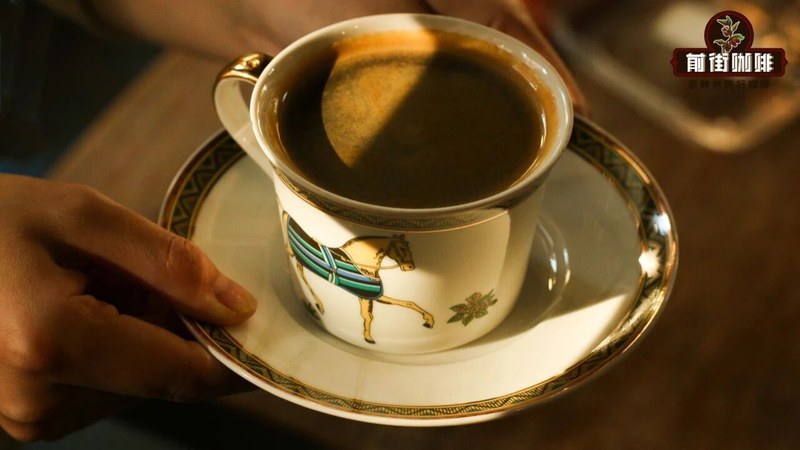
If white scale often builds up at the bottom of your kettle at home, it means the water contains too much bicarbonate, which can easily mask Gudingding's clear floral and fruit aromas and make the coffee taste bland and unremarkable. In this situation, there is no need to frequently change the grind size; instead, simply switch to purified water mixed with a little mineral water and adjust the TDS to around 70 ppm. The originally dormant floral aroma, citrus acidity and sweet aftertaste will unfold again, and the clarity of the flavor will also improve greatly.
Understanding the water quality characteristics of your water tank at home and then choosing coffee beans with a clear aroma profile accordingly can save a lot of unnecessary confusion in daily brewing. Whether you want to steam a pitcher of smooth milk foam in front of the espresso machine and push out a beautiful latte art pattern, or quietly enjoy a room full of floral and fruit fragrance in front of the pour over dripper, choosing the right water and beans will make every cup you produce more stable and delicious.
Related Reading
Comments (0)
Loading comments...
You May Be Interested

Trending Reviews
Popular Videos

With you, wherever you are! We provide useful features to help you find new things you'll love






