Source:Best Coffee > News Author:qjroot Published:2026-09-24 15:11:12
When you first open a bag of natural process coffee beans, that wave of ripe fruit aroma always fills you with joy, but once it actually hits the cup, it can sometimes feel too intense and astringent, and at other times seem as bland as water. The problem usually is not the beans themselves, but the unspoken understanding between extraction yield and strength. Once you understand the balancing logic of these two, the same bag of natural beans can easily be tuned to a smooth, sweet state.
Understanding extraction can actually be very down-to-earth: strength is like how sweet a glass of sugar water is, while extraction yield is how much of that sugar has dissolved. Because natural beans dry with the fruit pulp under the sun for a long time, they accumulate an especially abundant store of soluble materials inside. The coffee-to-water ratio directly determines the thickness and body of the liquid in the cup, while grind size and water temperature govern the extraction yield, precisely controlling the rhythm at which flavor is released.

In daily brewing, every small flaw in the cup can be resolved through minor adjustments. If it tastes obviously watery and the aroma drifts away, that is usually under-extraction, and you can adjust the grind half a notch finer; if it is intense and heavy, pressing down on the palate, that is over-concentration; and if the tongue feels tight and a woody, rough astringency rises in the finish, that means over-extraction, so moderately coarsening the grind or lowering the water temperature by two degrees will let sweetness take the upper hand again.

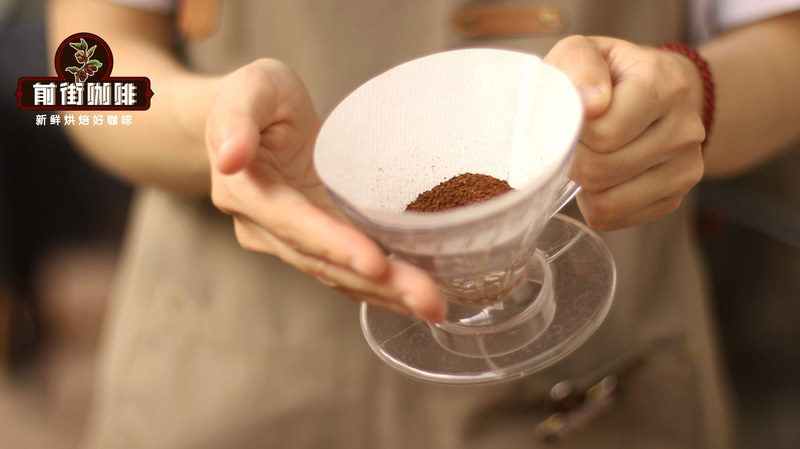
When facing a bag of medium-light roasted natural beans, it is worth starting with a reliable pour-over method. Take 15 g of coffee grounds, grind to a medium coarseness, and pair with hot water around 90°C. For the first pour, add 30 ml of water and let it bloom for 30 seconds to fully awaken the captivating fruit aromas, then pour in stages until the total water reaches 225 ml, maintaining a 1:15 coffee-to-water ratio and keeping the total brew time at around 2 minutes, for a cup that is refreshing and clearly layered.
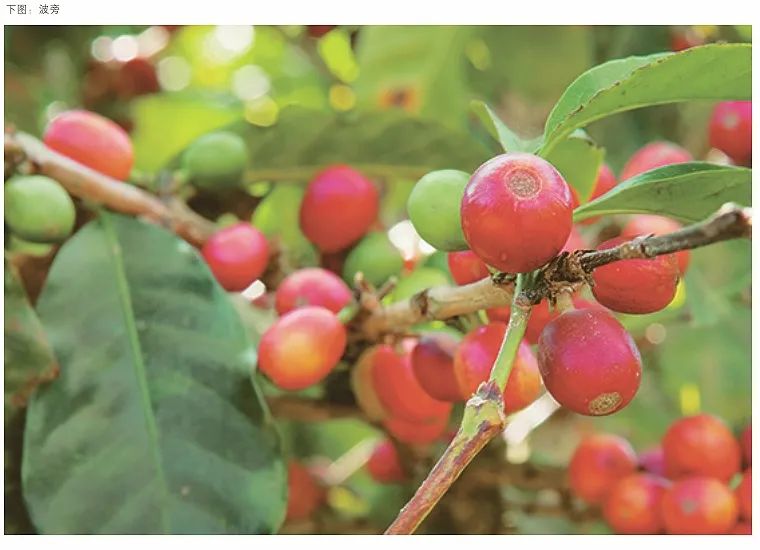
When choosing beans, thinking ahead about whether you suit a stronger or lighter brew often gets twice the result with half the effort. For friends who prefer a juice-like, clear sweetness and like to widen the coffee-to-water ratio a little for a lighter cup, Qianjie Yirgacheffe Natural Red Cherry will be a wonderful companion. It selects fully red ripe cherries and dries them slowly on raised drying beds, preserving elegant floral notes and bright acidity; with a moderately relaxed extraction, it drinks as light tropical fruit flavor and full sweetness.
If you crave a rich, full-bodied, complex flavor even more, Qianjie Natural Huakui is especially stunning at a slightly higher strength. The terroir of its high-altitude origin gives it an innate delicate fragrance, and after Sidamo's classic natural processing, citrus, mango and a faint fermented aroma layer upon layer. This bean is very tolerant of extraction, and brewing it a little stronger can fully bring out its honeyed sweetness and thick body, with cocoa notes and a touch of spice lingering long in the finish.
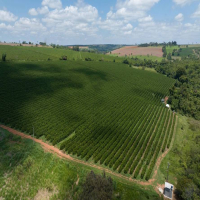
If you want to prepare a smooth, fragrant cup for the morning, Qianjie Brazil Queen Estate performs especially solidly. The estate places coffee cherries directly on drying racks to turn and sun-dry, giving very stable flavor and even moisture content. It is well suited to a slightly stronger brew, with nutty flavors and chocolate aromas especially prominent, accompanied by sugarcane juice-like fresh sweetness and a black tea texture; the acidity is soft and balanced, and it enters the mouth warm and delicate, bringing plenty of warmth to the early morning.
If you are fond of a bean that is easy to drink every day and handles any switch between strong and light with no pressure, Qianjie 2013 Natural Yunnan Small-Bean Coffee is worth keeping on hand. Under the sunshine of Yunnan's dry season, the Typica variety shows a highly balanced sweet-and-sour profile. Brewed light, you can taste brown sugar notes and a slight tea-like quality; extracted a little stronger, you can catch the liveliness of dried apricot and ripe berries, and the overall sweetness is fuller and more pleasing than regular washed beans.
For coffee drinkers who pursue a passionate, layered aroma, Qianjie Colombia Sidra uses double anaerobic natural processing. The sealed oxygen-free environment slows pectin breakdown, locking in high sweetness and a dense mouthfeel. When brewing, slightly widening the coffee-to-water ratio or coarsening the grind makes it easy to extract a complex candied-fruit character like passion fruit, apricot and raisin. Master the scale of extraction, and every natural bean can turn into a wonderful taste of morning light in your cup.
Related Reading




Comments (0)
Loading comments...
You May Be Interested


Trending Reviews
Popular Videos

With you, wherever you are! We provide useful features to help you find new things you'll love






