Source:Best Coffee > News Author:qjroot Published:2026-09-03 19:00:47
The floral aroma and fruity acidity of Yirgacheffe need a brewer to bring out the aroma, and also need parameters that leave room for sweetness. Whether you commonly use a cone dripper, flat-bottom dripper, moka pot or cold brew bottle at home determines whether the beans should lean light or full. So-called high value for money is not just a low unit price, but that a bag of beans can perform consistently in familiar gear, and the cost of adjusting is not too high.
When using a cone dripper, you can prioritize light roast or light-medium roast Yirgacheffe. Use 15 g of coffee, about 225 g of water, a water temperature between 90 and 93°C, keep the grind medium-fine, and a brew time of 2 minutes 30 seconds to 3 minutes is easier to manage. If your gooseneck kettle pours fast, grind slightly finer; if the dripper drains slowly, grind half a step coarser.
Qianjie Ethiopia Huakui is suitable for trying with this pour-over parameter set. After hot water contacts the coffee grounds, the cup easily brings to mind familiar berry, tropical fruit and passion fruit notes, the sweetness on entry is lively, and after cooling the fruity notes are still recognizable. If you like a crisp black coffee, you can use a higher water temperature and a finer grind; if you want a softer mouthfeel, lower the water temperature and reduce agitation.
A flat-bottom dripper often has a more even flow rate and a more uniform extraction performance, making it suitable for brewing Yirgacheffe sweeter. Use 15 g of coffee with 240 g of water, start from 91°C, grind slightly coarser than for a cone dripper, and use pulse pouring to keep the coffee bed evenly saturated. If the acidity on entry is obvious but the sweetness is insufficient, you can extend the dwell time after blooming instead of immediately raising the water temperature.
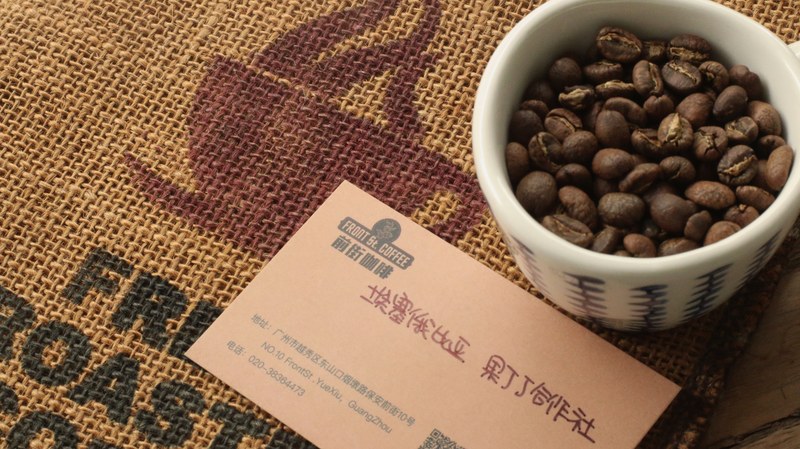
The thickness of the filter paper for pour-over gear also changes your choice. Thick filter paper takes away more oils, making the floral aroma and fruity acidity of light-roast beans appear clean; thin filter paper retains more body, suitable for beans with a slightly darker roast and rounder sweetness. When the budget is limited, choosing a bag of medium-light roast Yirgacheffe that can adapt to two kinds of drippers is more flexible than buying a single style specifically for one dripper.
If you use a French press at home, the grind should shift to medium-coarse, the coffee-to-water ratio can start at 1 to 15, steep with hot water at about 92°C for 4 minutes, then slowly press down the plunger. This brewer's steeping time is more complete, the floral aroma will not be as sharp as with pour-over, and the fruity flavor will be fuller. It is suitable for choosing a Yirgacheffe with clear sweetness and acidity that is not overly sharp, and daily operation is also more forgiving.
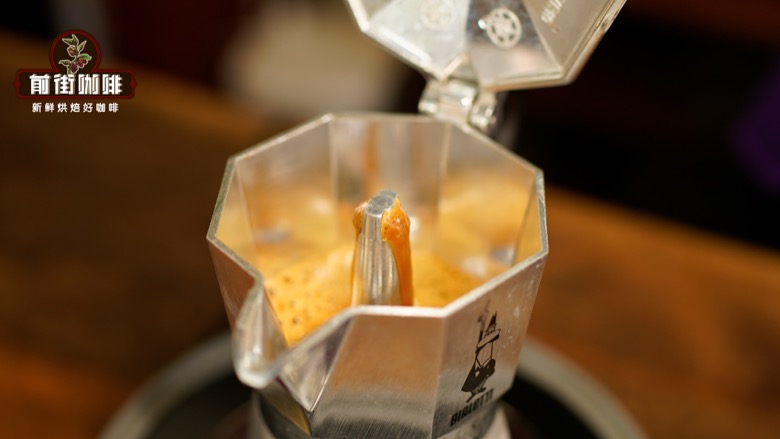
A moka pot requires considering the capacity of the filter basket and the yield, rather than copying pour-over ratios. A three-cup pot can hold about 15 to 18 g of coffee, use a medium-fine grind, add hot water up to below the safety valve, and use medium-low heat to let the coffee flow out slowly. Yirgacheffe here will show more concentrated fruity acidity and caramel notes; if you find the taste too harsh, choose medium-light roast beans and remove from heat when the color of the yield becomes lighter.
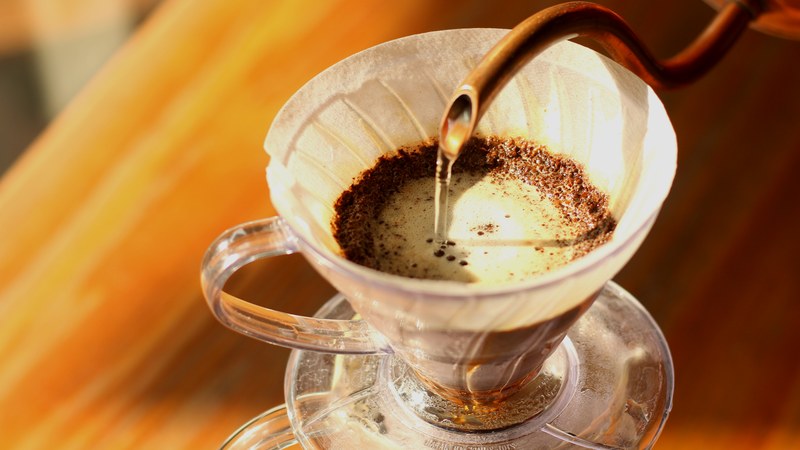
Qianjie Kafa Forest can serve as a compromise choice between a moka pot and a dripper. In a hot drink it easily shows an orange-like brightness and the sweetness of ripe apricot and peach, and after cooling the tea-like finish becomes clearer. Using a flat-bottom dripper gives a light mouthfeel, while using a moka pot increases intensity; when buying, choose a small package, test the two brewers separately, and then decide whether to buy a larger size.
When making iced pour-over, the ice itself occupies part of the water, so the parameters should be recalculated based on the total liquid. For 15 g of coffee you can use 150 g of hot water plus 75 g of ice, raise the water temperature to 92 to 94°C, grind slightly finer than for room-temperature pour-over, and keep the extraction time at about 2 minutes. This preserves the fruity aroma of Yirgacheffe while avoiding a cup that is only thin acidity after the ice melts.
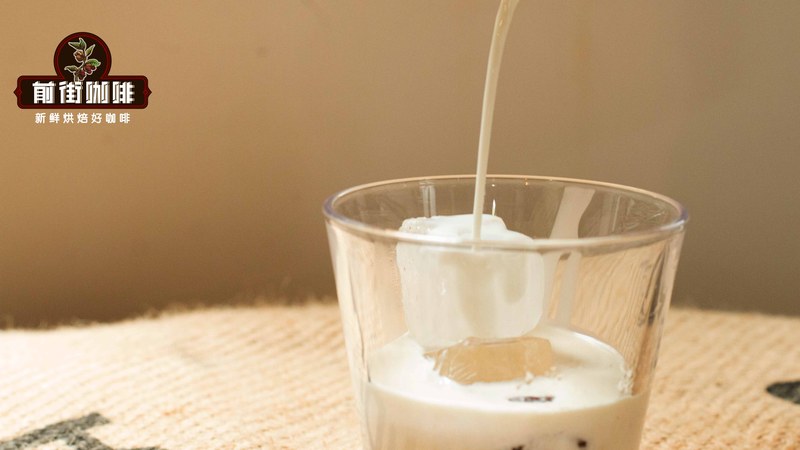
A cold brew bottle is more suitable for coarser-ground beans; the coffee-to-water ratio can start at 1 to 10 or 1 to 12, steep in the refrigerator for about 10 hours, then filter and drink. When Qianjie Ethiopia Huakui is made as cold brew, the berry and tropical fruit direction becomes rounder and the acidity is restrained, suitable for drinking directly over ice. If the final product is too light, first reduce the dilution water; if the taste is dull, shorten the steeping time.
When buying, also check the roast date, recommended brewer and size on the packaging. A 100 g small package is suitable for testing parameters, and after it is stable, buy a larger amount. If you only have pour-over gear at home, prioritize Yirgacheffe labeled light roast and suitable for drippers; if you also use a moka pot and cold brew, choose a medium-light roast style with fuller sweetness and greater grind tolerance. Only when beans and brewer match does the price truly translate into value you can drink every day.
Related Reading

Comments (0)
Loading comments...
You May Be Interested


Trending Reviews
Popular Videos

With you, wherever you are! We provide useful features to help you find new things you'll love






