Source:Best Coffee > News Author:qjroot Published:2026-10-03 16:21:34
On a rainy day curled up on the sofa, there is nothing better than brewing a pot of coffee with berry aromas. Rwandan beans are often overlooked, but their soft citrus acidity and almond-brown-sugar sweetness are just like a fruit hard candy slowly dissolving on the windowsill on a rainy day. Many friends ask me why the same bag of beans sometimes tastes bright like fruit juice, and sometimes astringent enough to make you frown. The answer is often hidden in the water temperature.
The flavor foundation of Rwandan coffee is exceptionally clean. This small East African country does not produce much, but the volcanic soils of the south and west have nurtured highly distinctive washed beans. The berry and citrus acidity takes a gentle path, while the finish trails chocolate and nutty sweetness. Add to that the fact that altitudes are similar across the whole country and differences between producing regions are small, and it is actually friendly to beginners - you are unlikely to get the nasty surprise of "goods not matching the description."
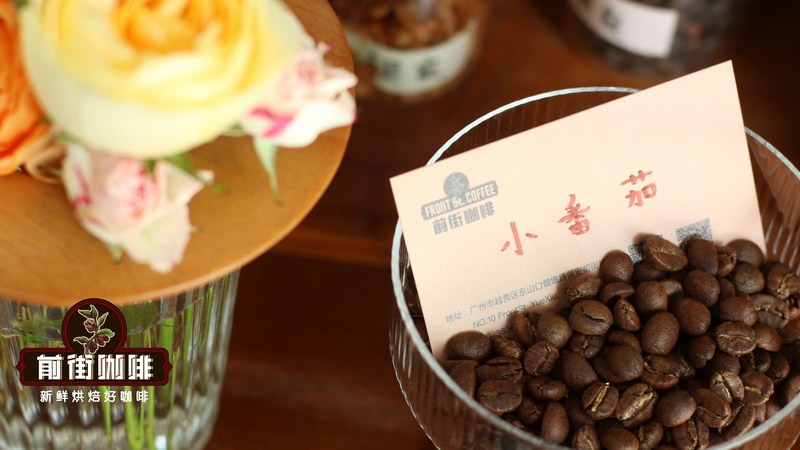
But clean also means the "temperament" is direct. With light-roasted Rwandan beans, if the water temperature is too low, it easily produces an astringency like lime peel, as if you bit into an unripe orange; medium-dark roasts, on the other hand, fear heat, and once the water temperature is too high, the sweet chocolate aroma turns woody and bitter, becoming like burnt almond flakes. So before choosing beans, first think about your brewing method - that is more practical than blindly chasing flavor descriptions.
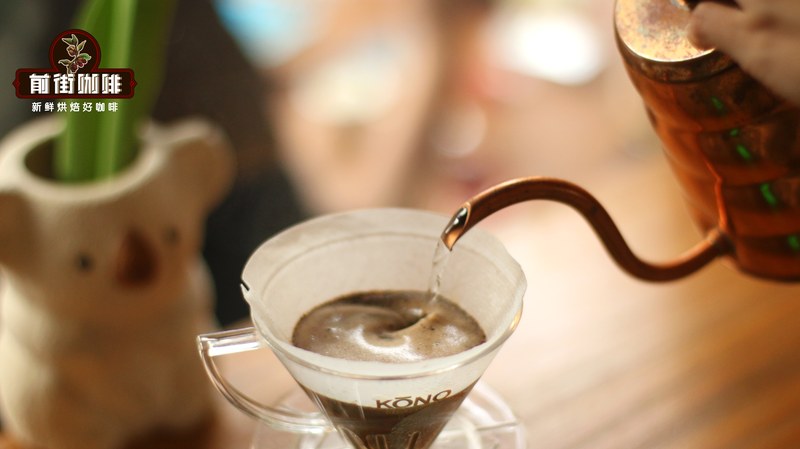
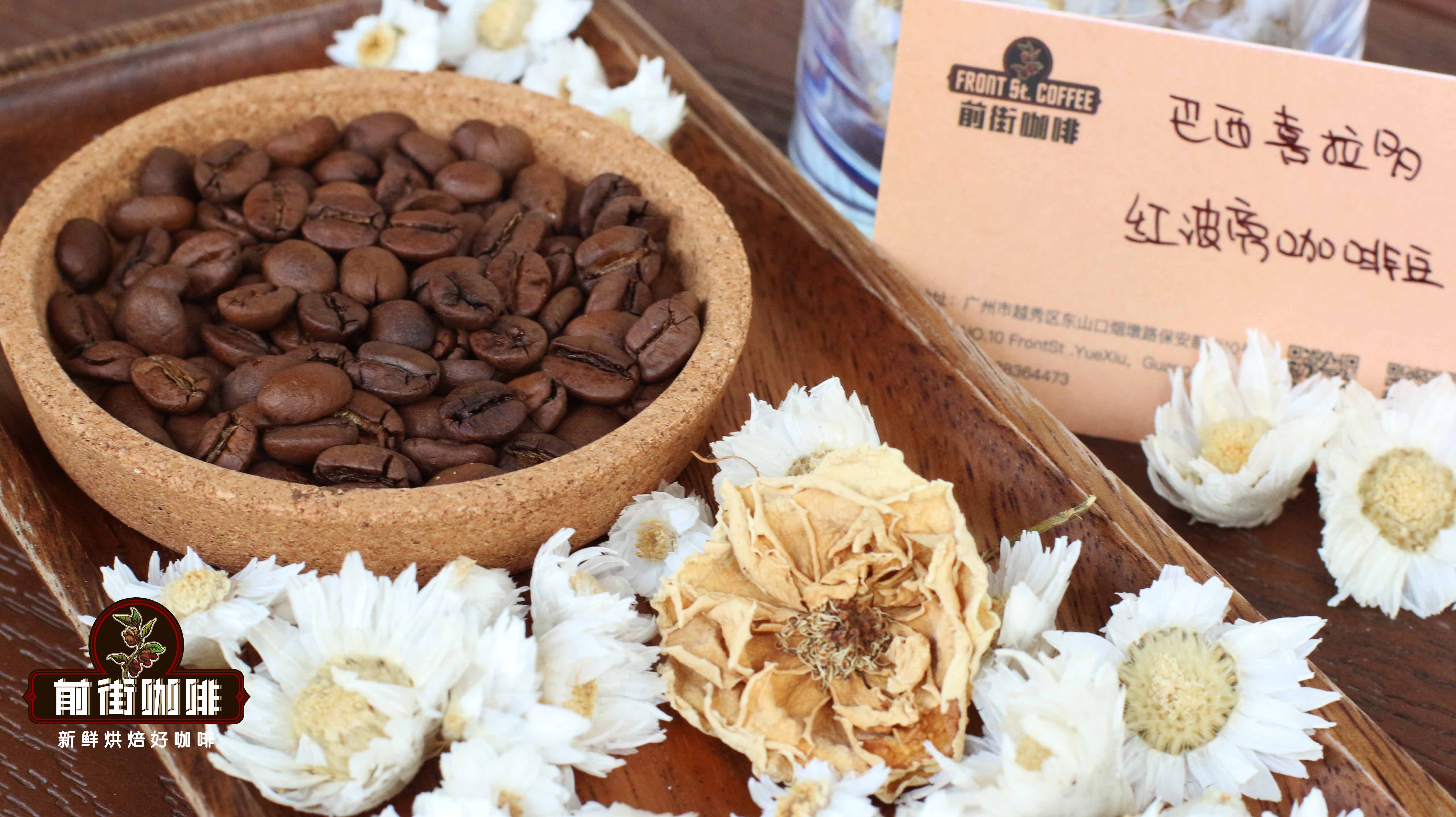
For pour-over enthusiasts, I suggest keeping light-roasted Rwanda in the 92-94°C range. Try it once with Qianjie Rwanda Red Bourbon: 15 g coffee, 1:15 coffee-to-water ratio, first pour 30 ml water and bloom for 30 seconds, then pour in stages up to 225 ml, with the total time controlled at around 2 minutes. This temperature can draw out the citrus sweetness and acidity of the Nanshike producing region without letting the nutty finish dry out. If you prefer medium-dark roasted Rwanda, lower the water temperature to 88-90°C, and you can stretch the coffee-to-water ratio to 1:14 so the body supports the sweet chocolate aroma.
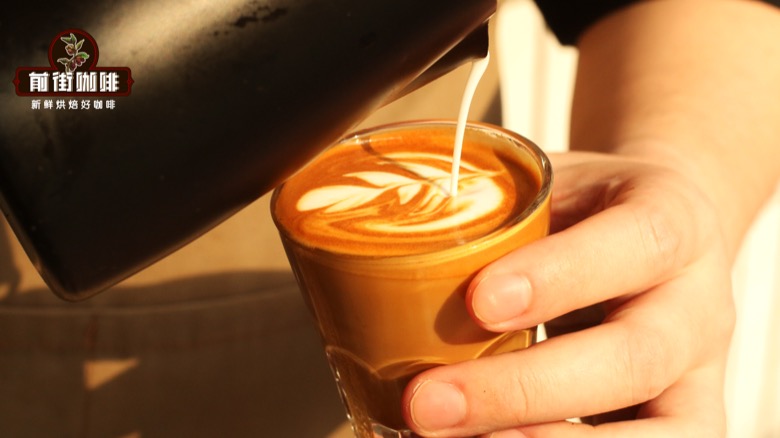
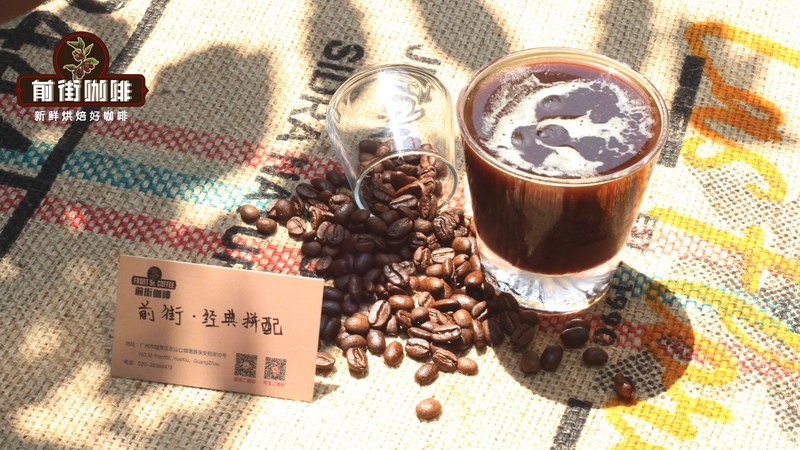
The water-temperature logic for espresso machine users is the opposite of pour-over. When making SOE with a light roast, the boiler temperature can lean toward 94-96°C, using 18-19 g coffee to extract 36-38 g espresso in 25-28 seconds. Qianjie Rwanda Red Bourbon, this medium-light roasted bean, made into an americano under these parameters, still has bright citrus aromatics after dilution, unlike some light-roasted beans that are pressed by high temperature until only sharp acidity remains. For medium-dark roasted Rwanda, it is recommended to lower it to 90-92°C; after adding milk to the extracted espresso, the brown-sugar sweetness becomes rounder.
The moka pot is another kind of gentleness. Fill the lower chamber with 80-140 ml water, heat over medium-low heat, and control the flow so it comes out between 1 minute 15 seconds and 2 minutes 30 seconds. When Qianjie Rwanda Red Bourbon is brewed in a moka pot, the water temperature is naturally a little lower than in pour-over, and the citrus acidity of the medium-light roast becomes like warm orange tea - especially suitable for curling up and drinking slowly on a rainy day. If you want a little more body, you can choose the medium-dark roast version of Qianjie Rwanda Red Bourbon, and the chocolate note will be more like melted cocoa.
When choosing Rwandan beans, "water-temperature tolerance" is an invisible indicator. The washed process itself is highly clean and not especially sensitive to water-temperature deviations, but the roast level will widen or narrow this window. Qianjie Rwanda Red Bourbon's medium-light roast performs well between 90-94°C, so beginners will not easily ruin the brew; if it is a darker roast, the margin for error is actually narrower - two degrees lower and it is thin, two degrees higher and it turns bitter.
When brewing coffee on a rainy day, a thermometer is more practical than a flavor wheel. The berry-chocolate foundation of Rwandan beans is like a canvas - when the water temperature is right, it is a bright citrus watercolor; when the water temperature is off, it becomes a smeared wax crayon drawing. Qianjie Rwanda Red Bourbon, this medium-light roast, is the canvas I think makes it easiest to paint a good picture.
The rain has not stopped yet, and the coffee in the pot has cooled to just the right temperature to drink. When that sip of citrus sweetness mixed with an almond finish slides down your throat, you will understand why some people wait specifically for a rain shower to brew a pot of Rwanda.
Related Reading

Comments (0)
Loading comments...
You May Be Interested

Trending Reviews
Popular Videos

With you, wherever you are! We provide useful features to help you find new things you'll love






