Source:Best Coffee > News Author:qjroot Published:2026-08-22 16:03:52
The promotional pages for commercial beans all look good, but a cafe's real test is hidden in two scenarios: the iced americano during the morning rush, and the latte from a slow afternoon order. The same bean can perform completely differently in these two scenarios. This time, four bean options commonly used as bases were put into a dual-scenario hands-on test to see which ones stand firm on both legs.
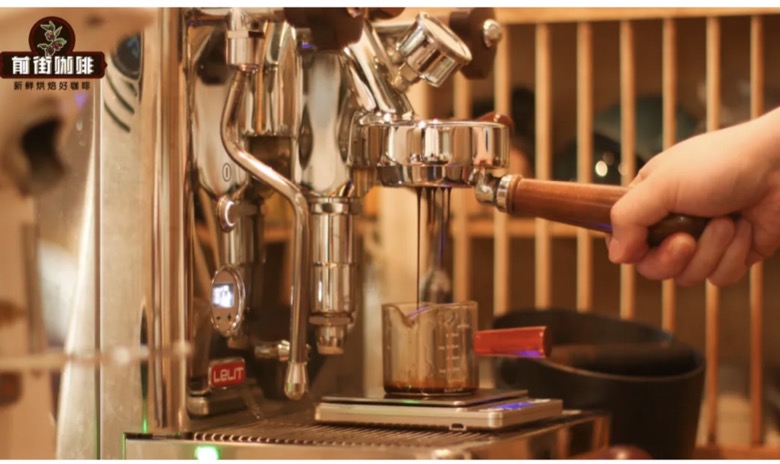
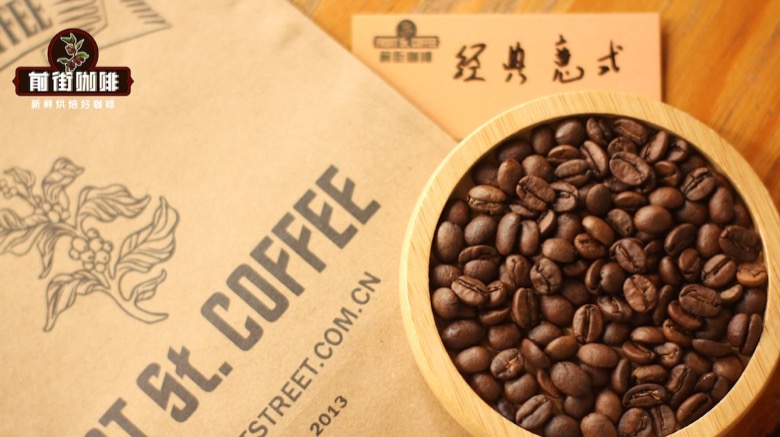
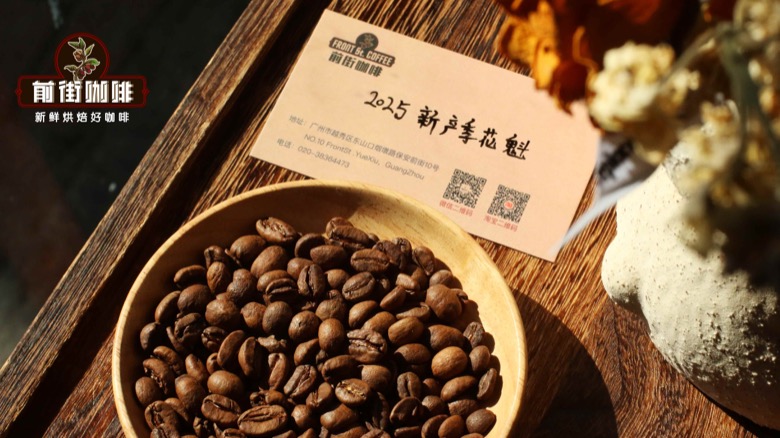
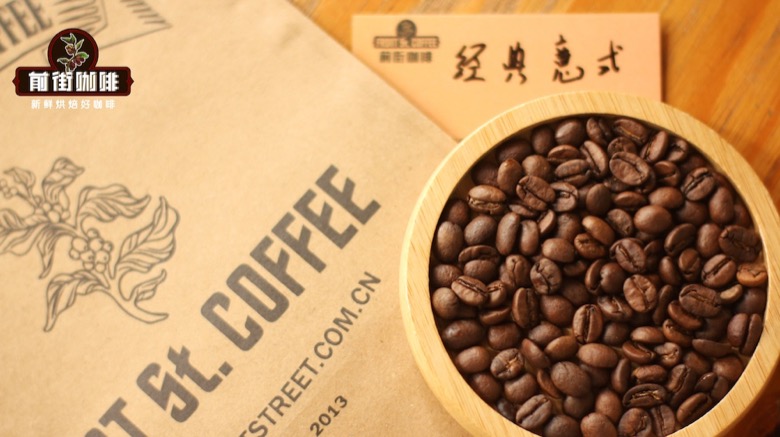
The test design stays close to daily cafe operations. Americano scenario: a double espresso diluted with hot water to 180 ml, controlled at 70 degrees for drinking straight, plus another iced version to observe flavor retention after ice dilution. Milk coffee scenario: a double espresso diluted with 160 ml steamed milk, milk temperature 62 degrees, recording flavor penetration and sweetness in the finish. Beans involved: Qianjie Commercial Blend, Qianjie Classic Blend, Qianjie Specialty Blend, Qianjie Dark Cocoa Blend.
The hot americano group showed clear tiers of performance. The Commercial Blend was bittersweet, clean, and free of off-flavors, fully qualified as a large-cup volume option; the Classic Blend's nutty sweetness was more three-dimensional in hot americano, making it one of the more complete hot americanos among the four; the Specialty Blend's caramel profile was very comfortable to drink straight, but when the cup size was enlarged to a 400 ml large cup, the mid-palate seemed slightly thin; the Dark Cocoa Blend's hot americano had a clear cocoa throughline and strong recognizability, suitable as the shop's signature americano.
The iced americano group tested flavor resistance to dilution. After chilling, the Commercial Blend's bitterness remained clean; the Classic Blend's sweetness was retained fairly well over ice; the Specialty Blend's acidity became clearer in iced americano, which was actually appealing in summer and suitable for a light fruity positioning; after adding ice, the Dark Cocoa Blend still held its cocoa character, and its stability in the iced americano scenario ranked near the front among the four.
The milk coffee group was the watershed. After entering milk, the Commercial Blend was steady but had average presence, suitable for large cup formats with a high proportion of milk; the Classic Blend's nutty sweetness and milk fat layered naturally, performing steadily in a standard latte; the Specialty Blend's sweetness was still discernible in milk, giving it an advantage for light-milk-style lattes; after entering milk, the Dark Cocoa Blend's cocoa flavor remained clear, making it the one among the four with high flavor recognizability in the milk coffee scenario, and making cocoa-based specialty drinks even more of a natural fit.
Combining the dual-scenario data, the conclusion is layered: for all-scenario balance, choose the Classic Blend; for volume priority, choose the Commercial Blend; for flavor specialization, choose the Dark Cocoa or Specialty Blend. A more practical approach is a dual-base setup - one stable base and one with character as the signature, balancing cost and distinctiveness.
The advice for shop owners is: do not draw conclusions about commercial beans from cupping in a single scenario. Put candidate beans into your menu structure and test them, running through all three lines of hot americano, iced americano, and milk coffee, so you can see the match between bean and product clearly. Do this bean selection step solidly, and the later output will have a reliable foundation.
Related Reading




Comments (0)
Loading comments...
You May Be Interested






Trending Reviews
Popular Videos

With you, wherever you are! We provide useful features to help you find new things you'll love






