Source:Best Coffee > News Author:qjroot Published:2024-07-10 14:08:07
"Excuse me, what grind size should I use for pour-over coffee?", "Why is the grind at setting 10 on your machine different from setting 10 on mine?", "Is the granulated sugar size fine sugar, coarse sugar, or brown sugar?"... Still troubled by finding the right grind size for your own coffee brewing device? This article from Best Coffee will help you determine your coffee grind size! (Bookmark it! Bookmark it! Bookmark it!!)
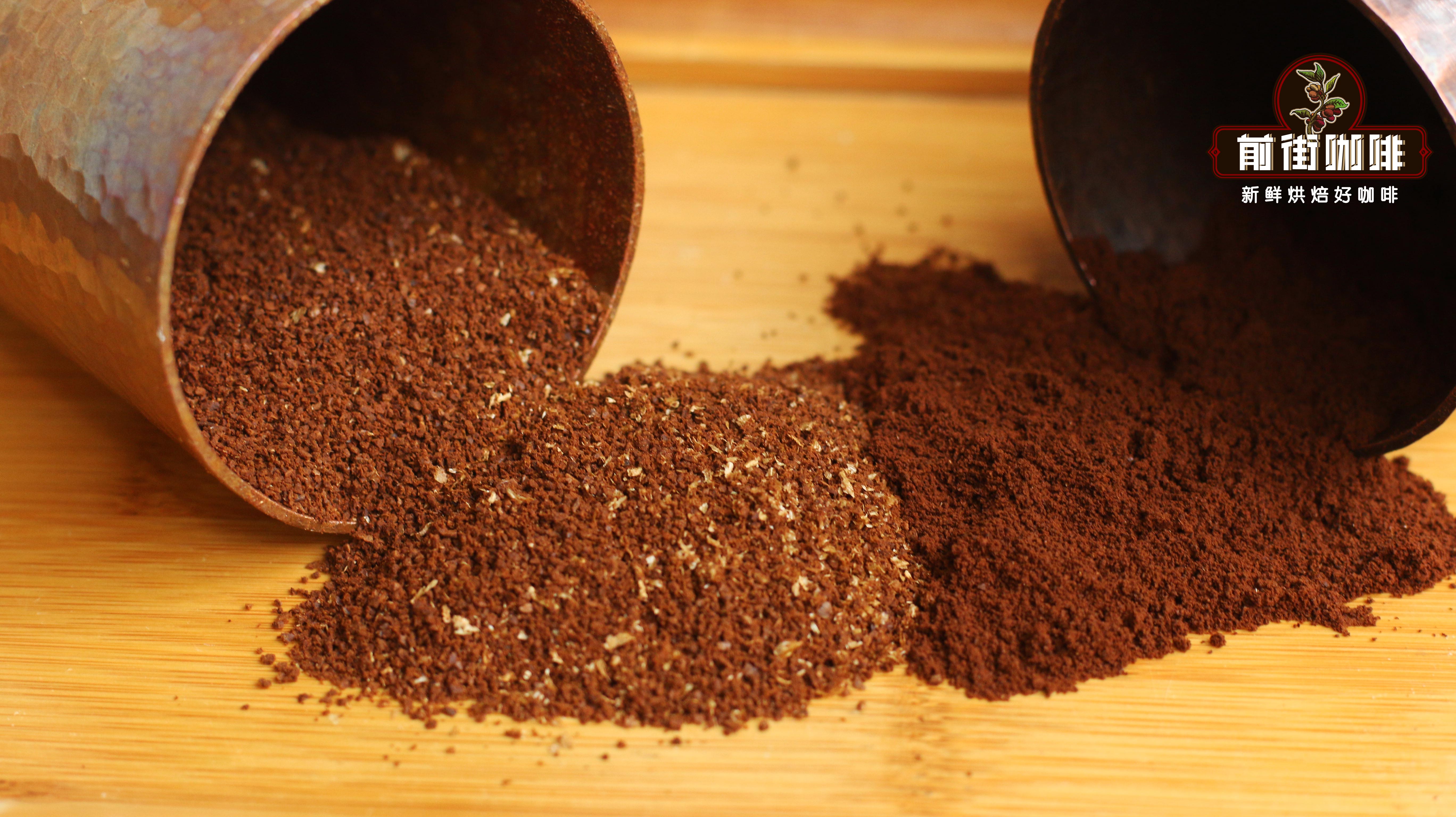
How important is coffee grind size?
At the same gram weight, the finer the coffee is ground, the more cuts are needed, the greater the surface area, and the greater the area of coffee grounds that water can contact. Conversely, the coarser the grind, the lower the coffee's concentration and extraction yield, the lower the body, and the stronger the coffee's acidity.
Different coffee devices use different grind sizes because of differences in their extraction methods, and coffee grinder grind settings have no unified standard either, so at this point we need a reliable testing tool - the Chinese standard No. 20 0.85mm aperture sieve / coffee bean grind size cupping calibration sieve, which is what Best Coffee often calls the coffee grounds sieve.
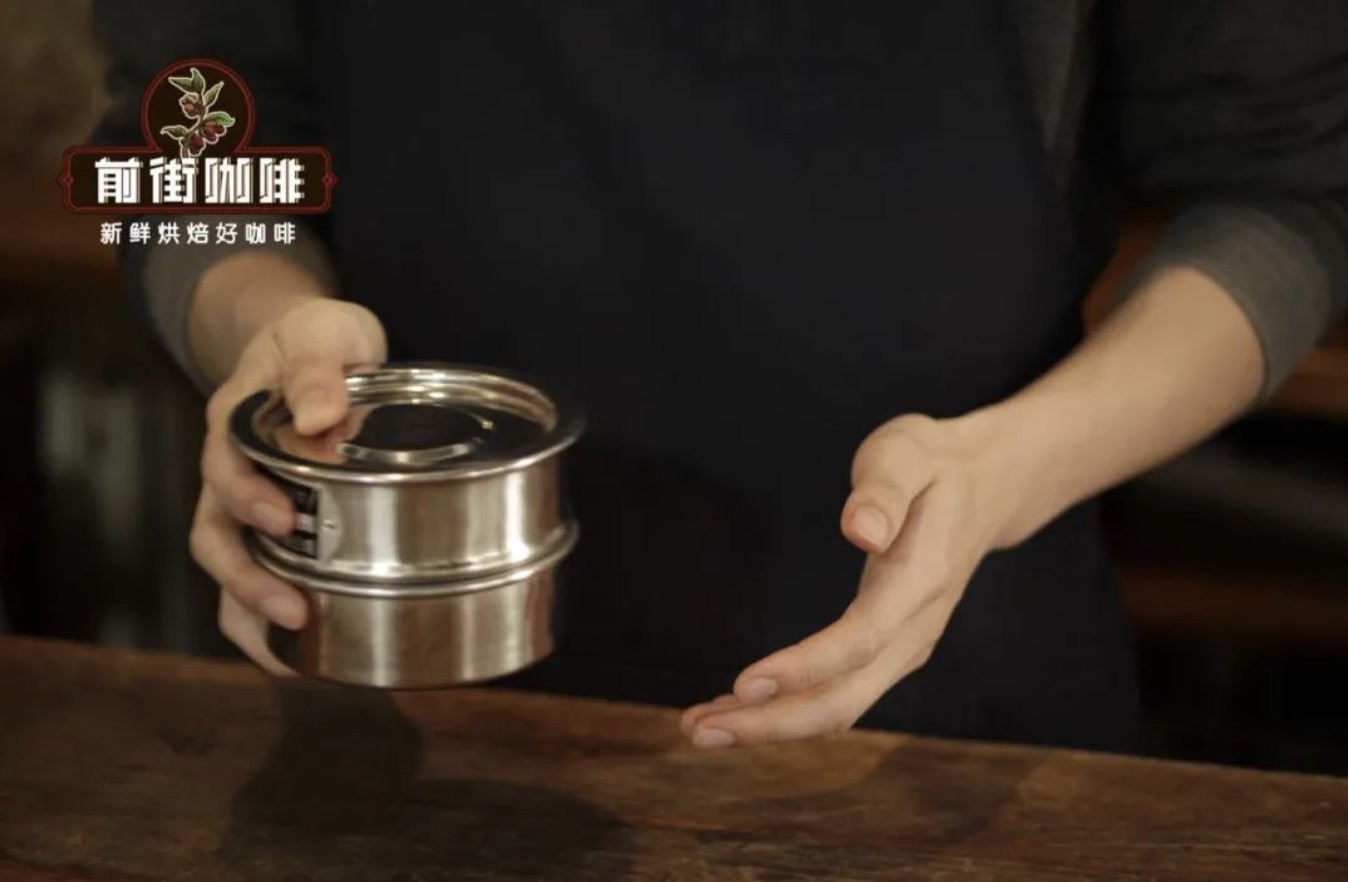
How do you use a coffee grounds sieve to determine coffee grind size?
Those who read carefully will ask: why a cupping calibration sieve? Although brewing devices on the market are diverse and everyone has their own views on brewing parameters, just as with most particle size determination, there is a dedicated sieve as a tool for measuring coarseness, and later gradually everyone also used cupping to determine coffee flavor before deciding on brewing parameters suited to the sample. Generally speaking, the grind size for cupping coffee is a 70-75% pass rate through a No. 20 sieve.
The method of use is also very simple: when determining grind size, Best Coffee uses 10g of coffee beans for a rough grind, then pours them into the middle sieve layer, covers with the lid and shakes horizontally until no coffee particles fall into the lower receiving bowl. Then weigh the coffee particles that passed through the sieve, and the resulting weight is the pass rate, that is, if 7g-7.5g of 10g coffee passes through the sieve, then this grind size is a 70-75% pass rate through a No. 20 sieve. The finer the coffee particles, the higher the pass rate; the coarser the coffee particles, the lower the pass rate.
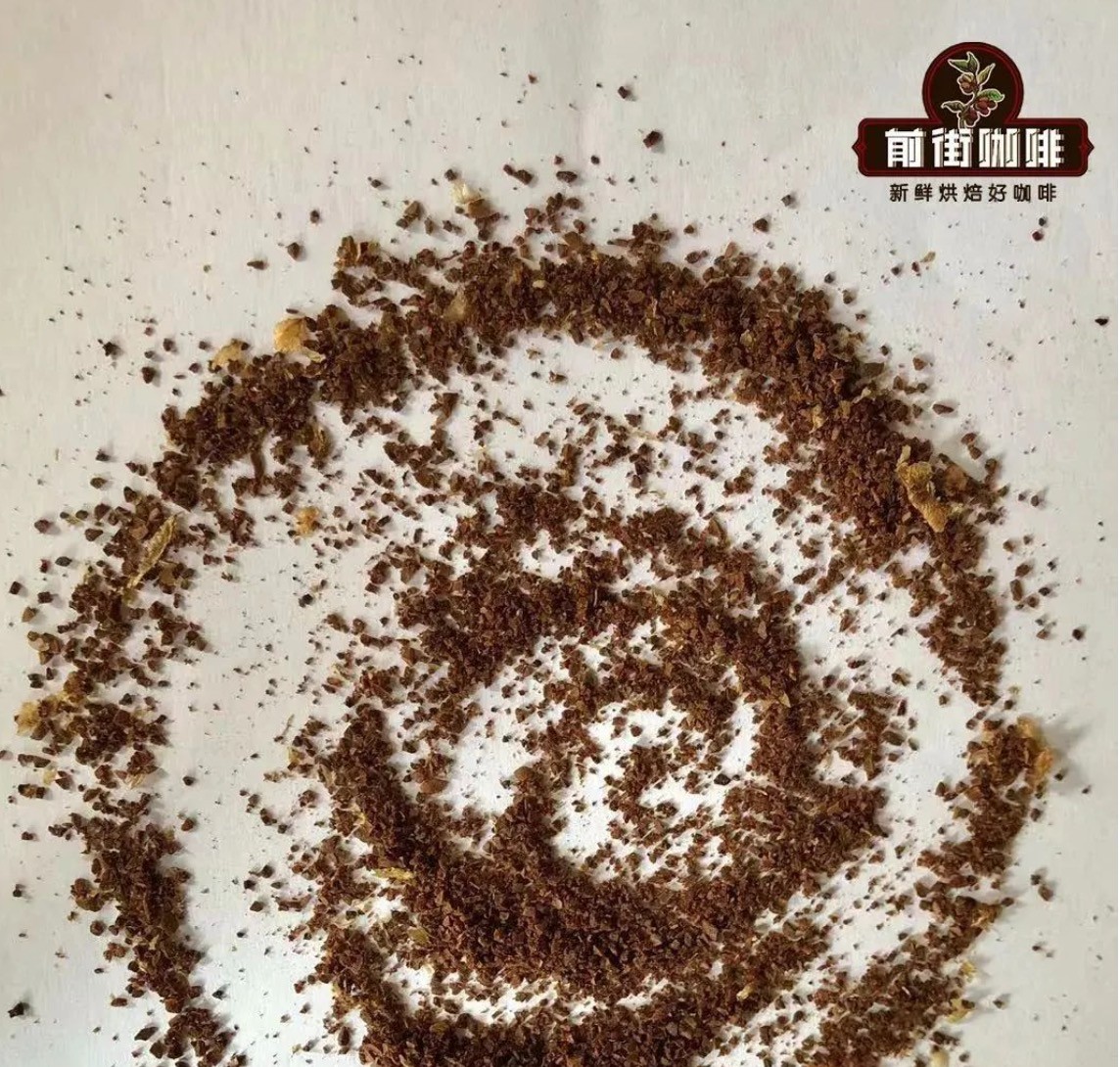
Grind size standards for common brewing devices & reference chart
Drip extraction / pour-over coffee grind size (68-80% pass rate through a No. 20 sieve)
Suitable for v60, kono, ice eye, origami dripper, fan-shaped dripper, cake dripper, clever cup, American drip machine
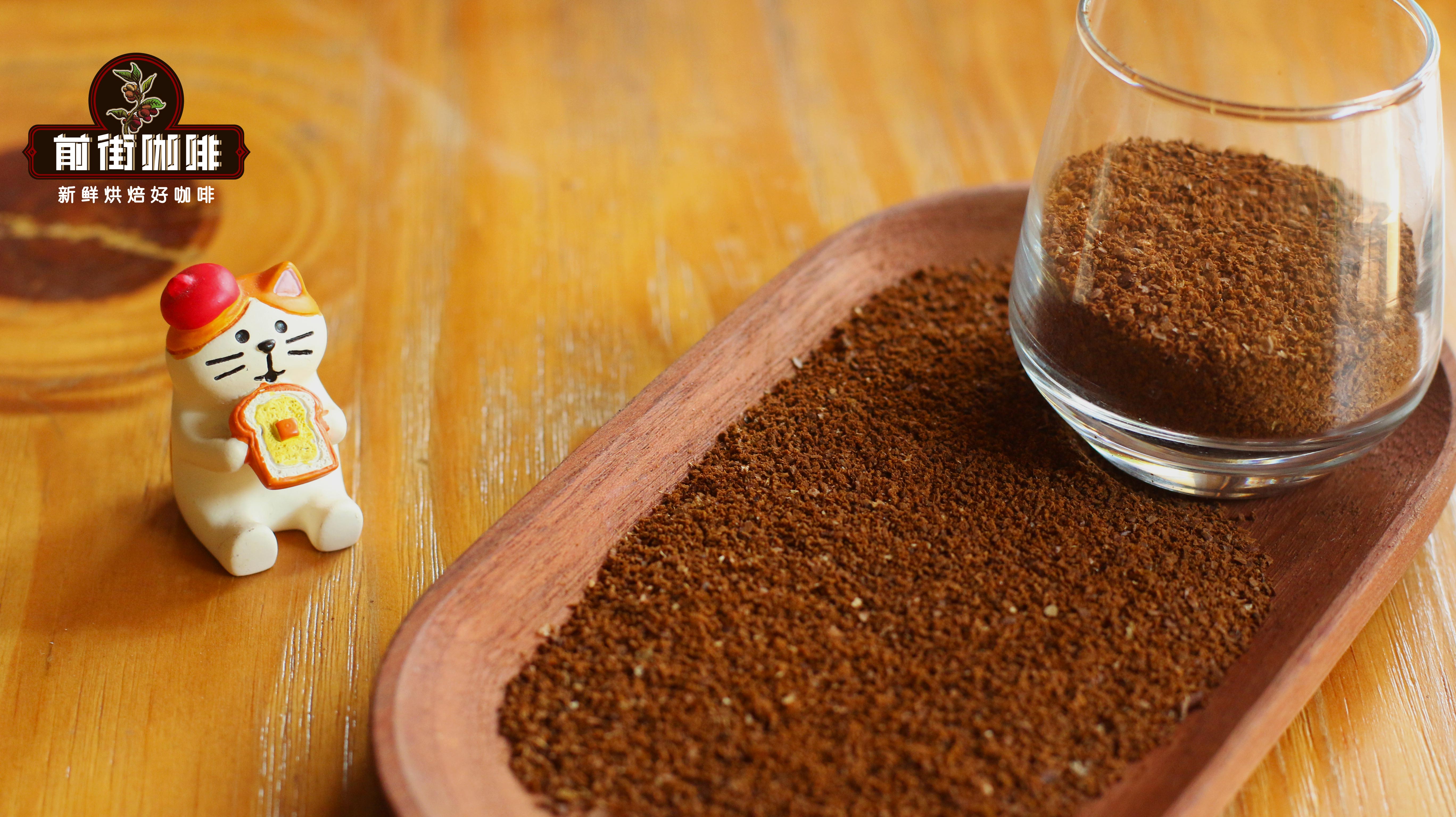
Drip brewing is pour-over coffee; the brewing principle is that water passes through the coffee grounds, extracts substances, and then filters through filter paper to produce clean coffee liquid. Generally, pour-over coffee has a shorter brewing time, so the grind size needs to be on the finer side.
Coffee beans of different roast levels require different grind sizes. Best Coffee recommends a grind size of 75-80% pass rate through a No. 20 sieve for light-to-medium roast coffee beans; for medium-dark roast coffee beans, such as Indonesian coffee beans, Blue Mountain coffee, a grind size of 70-75% pass rate through a No. 20 sieve.
Immersion extraction / French press grind size (68-75% pass rate through a No. 20 sieve)
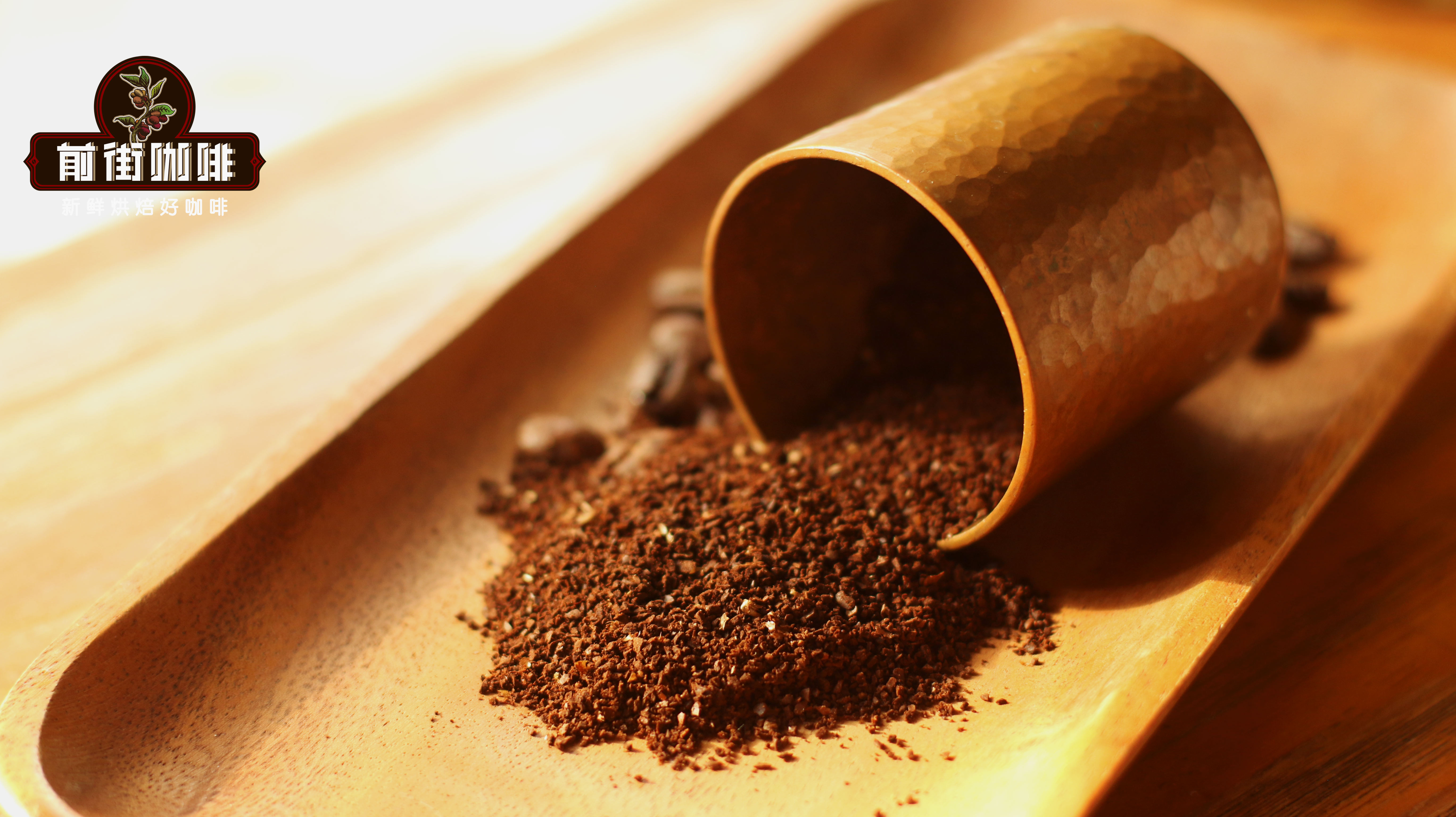
The French press uses immersion to extract coffee, the immersion time is longer (4 minutes), and its filter mesh is dense, so the grind size needs to be on the coarser side; this reduces over-extraction and also better filters coffee particles. Coffee beans of different roast levels require different grind sizes. Best Coffee recommends a grind size of 70-75% pass rate through a No. 20 sieve for light-to-medium roast coffee beans; for medium-dark roast coffee beans, a grind size of 65%-70% pass rate through a No. 20 sieve.
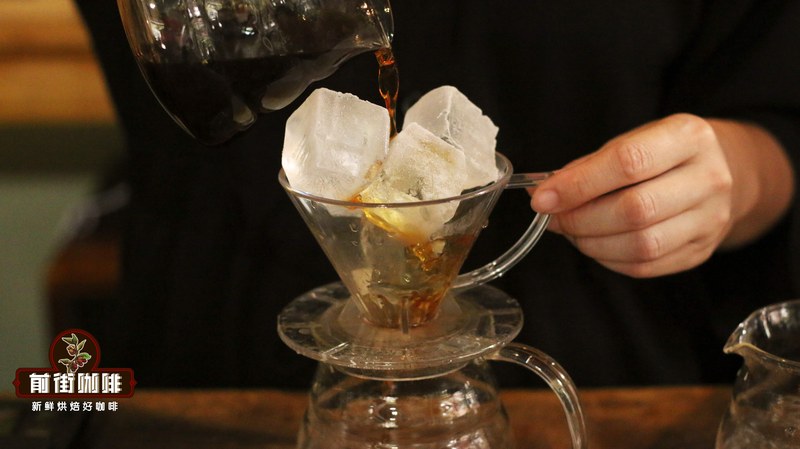
Low-temperature extraction / cold brew, ice drip coffee grind size (80-85% pass rate through a No. 20 sieve)
Low-temperature extraction differs from high-temperature extraction; in an ice-water mixture / refrigerated environment, coffee extraction efficiency is very low, so the release rate of flavor substances from coffee grounds also slows down, and the production time is also very long. The advantage of low-temperature extraction is that it fully extracts sweet and sour substances while reducing the extraction of bitter substances.
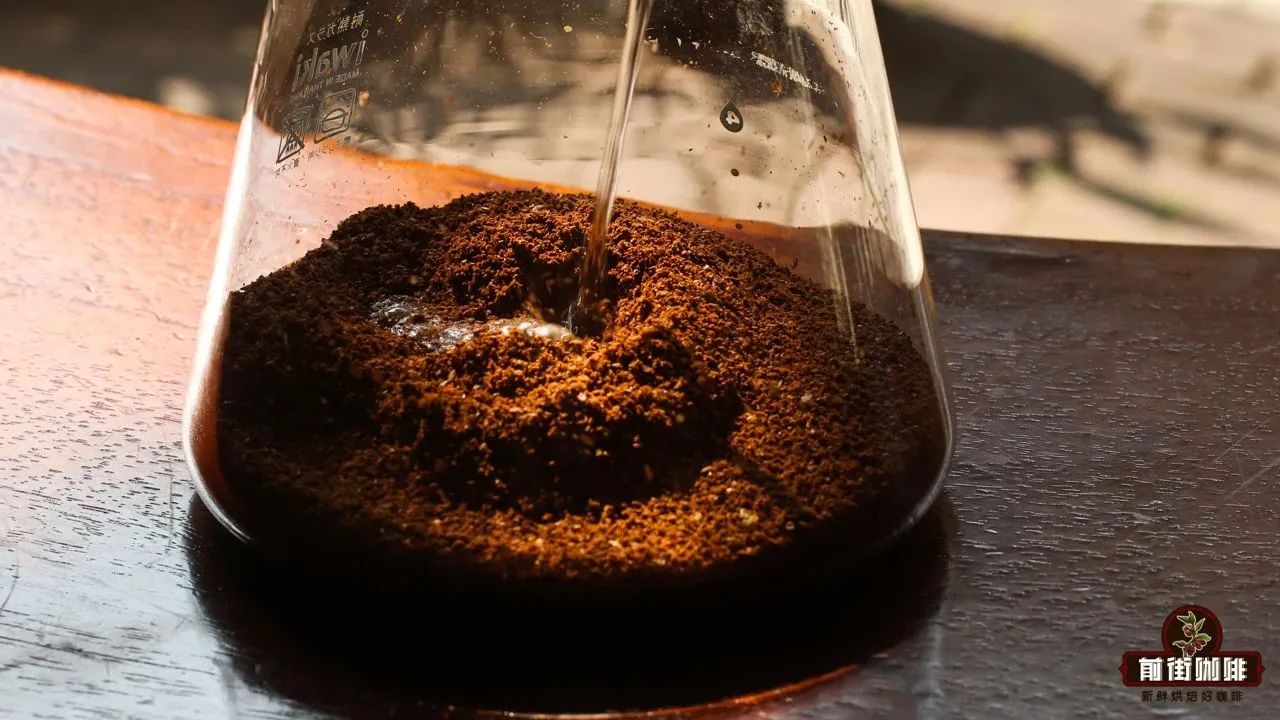
Because the extraction speed is slow, the coffee grind size can be on the finer side, but not too fine. Best Coffee recommends a grind size of 80-85% pass rate through a No. 20 sieve for making cold brew / ice drip coffee; if you want it richer, choose an 85% pass rate, and if you want it more refreshing, choose an 80% pass rate.
If you do not have the above tools, you can also use a relatively simple method, that is, roughly like table salt, as fine as possible, but with no standing water when brewing.
Pressure extraction / espresso machine grind size
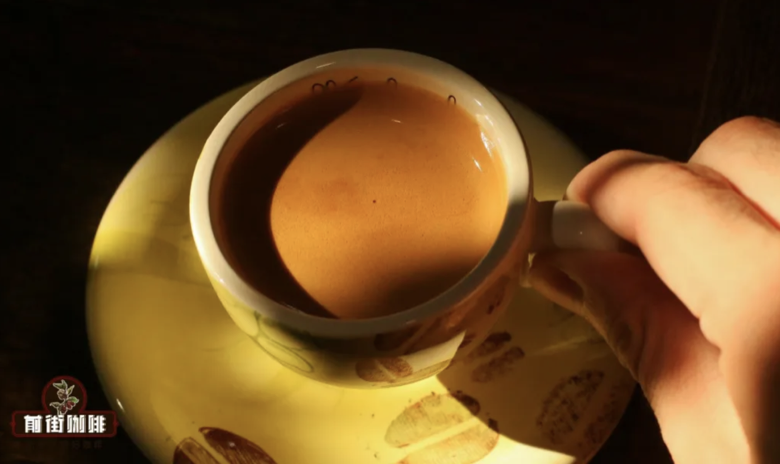
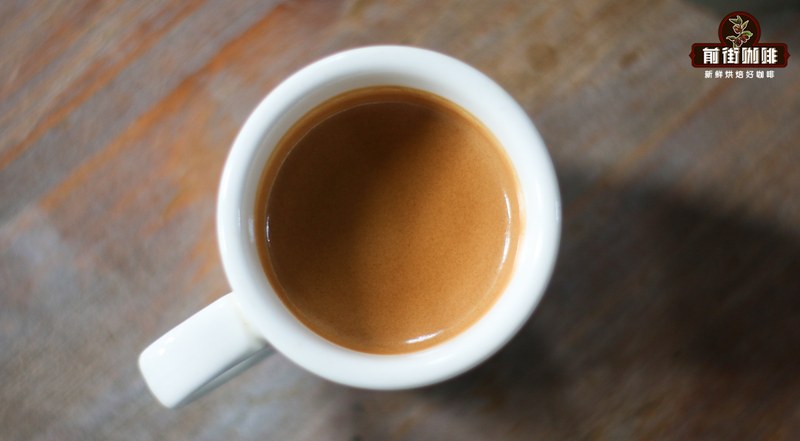
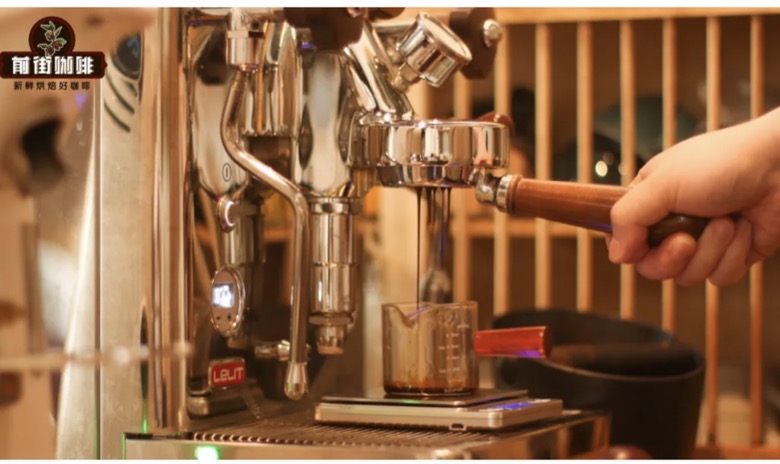
The grind size used by espresso machines is very fine, finer than a 0.85mm aperture, so a No. 20 sieve cannot be used to determine grind size by sifting. Traditionally, the fineness of espresso powder is not measured by how many settings as a standard for particle size, but by extraction time.
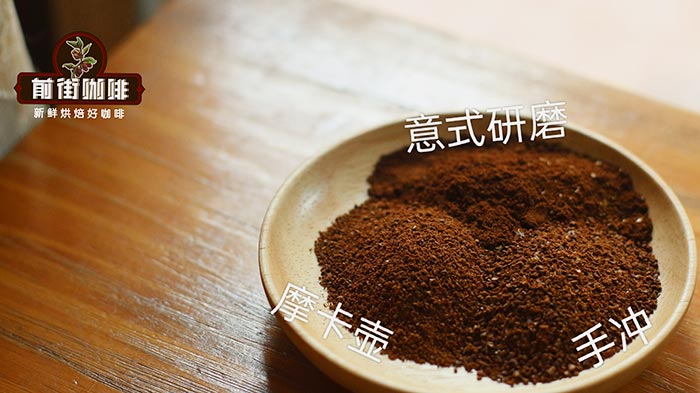
If you need to determine the grind size used for espresso, you need to dial in the grind through repeated extraction and tasting. Best Coffee's espresso extraction recipe is 20g of coffee grounds extracting 40g of espresso liquid in 28 seconds (with a tolerance of ±1). You can refer to this extraction recipe and then make fine adjustments based on the flavor performance of the espresso.
Steam pressure extraction / Moka pot coffee grind size (grind size cannot be determined with a No. 20 sieve)
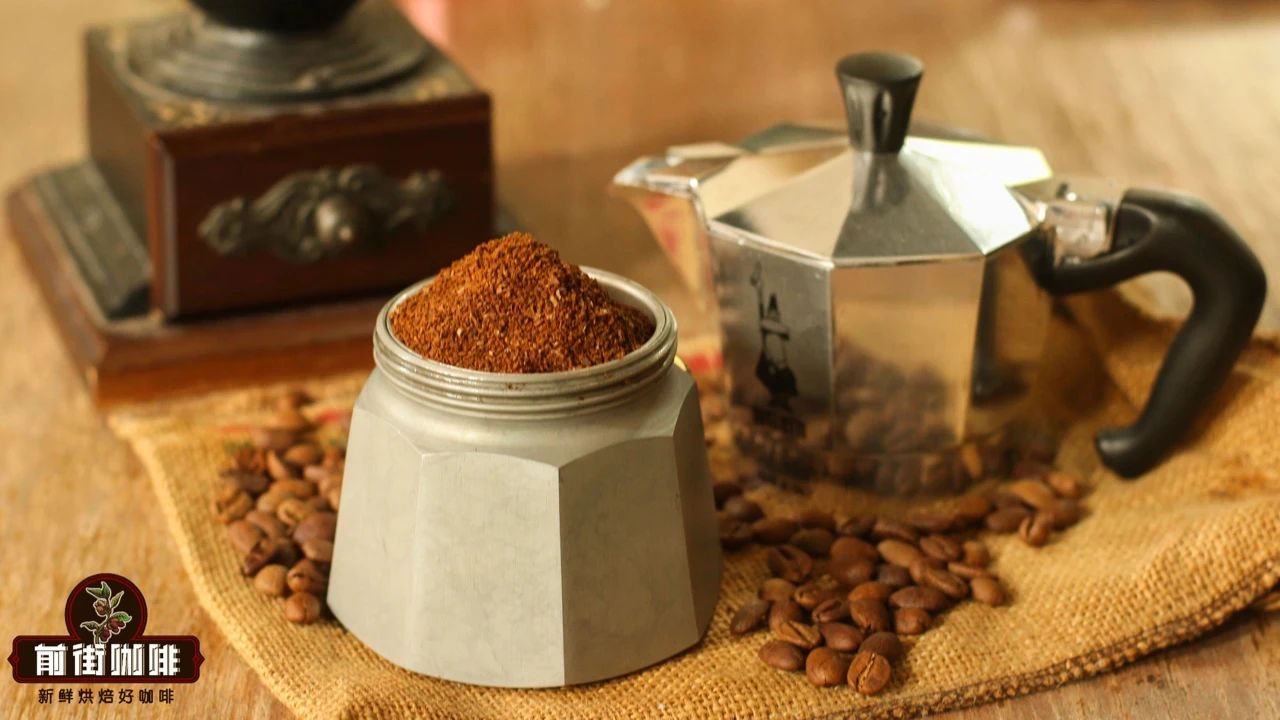
The same goes for the Moka pot: the grind size used is very fine, but slightly coarser than the grind size for an espresso machine, yet still finer than the 0.85mm aperture, so it is also impossible to use a No. 20 sieve to sift and determine the grind size.As for how fine the grind size should be, you can refer to the size of the gaps in the Moka pot's coffee basket and simply make sure the coffee particles will not pass through the gaps, as shown in the figure below.
Related Reading
Comments (0)
Loading comments...
You May Be Interested

Trending Reviews
Popular Videos

With you, wherever you are! We provide useful features to help you find new things you'll love






