Source:Best Coffee > News Author:qjroot Published:2022-01-22 17:59:47
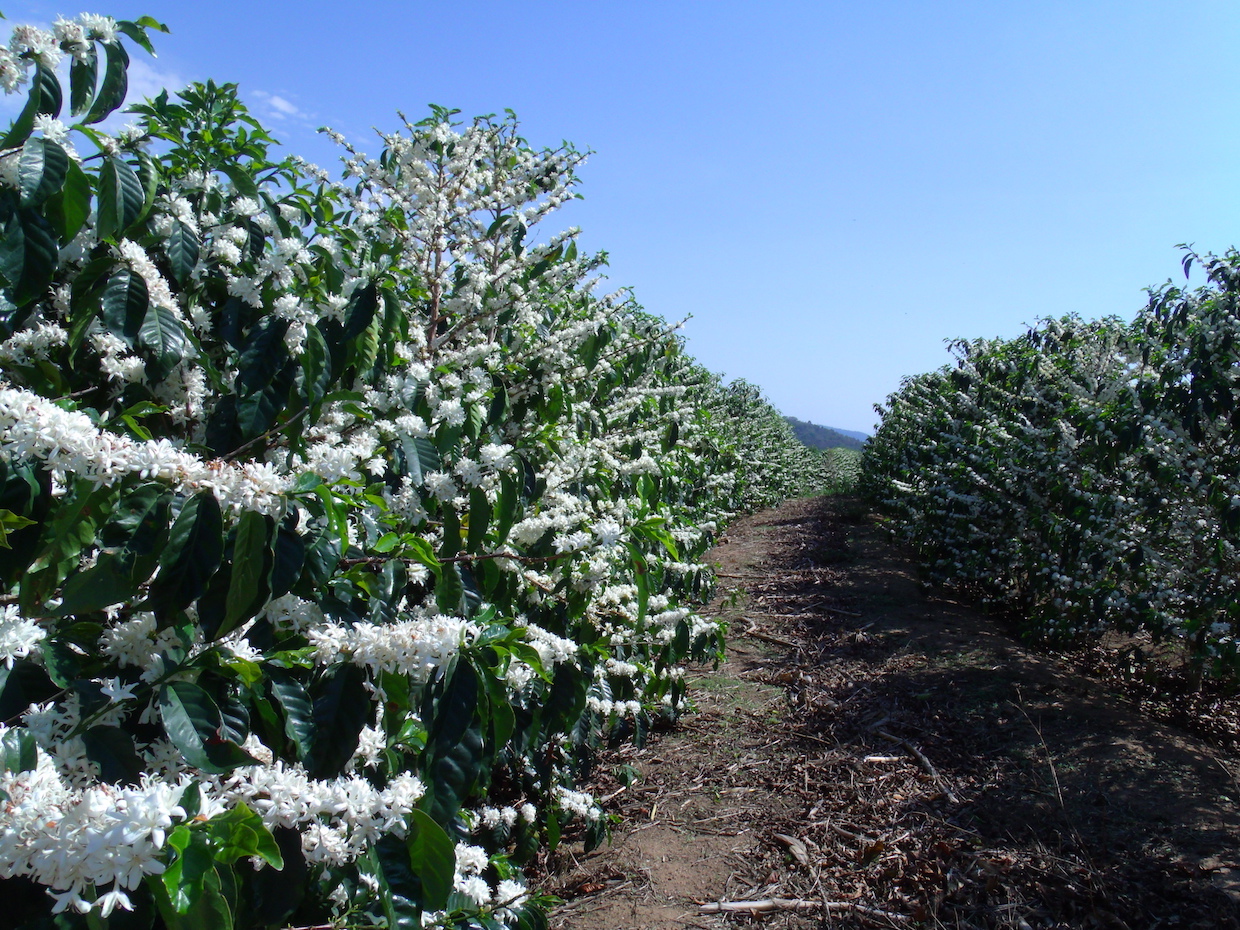
As everyone could see, the situation in Brazil’s coffee-growing regions last year was quite evident. Coupled with it being a low-yield year for Brazilian coffee, production was also not optimistic. With the arrival of spring in the Southern Hemisphere, the coffee-growing regions welcomed much-needed rainfall, and the flowering to some extent alleviated the anxiety of many stakeholders. However, after the initial joy, it was reported that after the coffee flowers withered, fruit set failed to occur. As a result, Arabica futures prices experienced significant fluctuations.
2022 was a high-yield year in the biennial production cycle of Brazilian Arabica coffee, which means that Brazil’s coffee output had greater potential this year. However, factors such as frost in July last year that damaged coffee trees and drought in September that delayed flowering have led coffee growers in Minas Gerais to maintain a pessimistic outlook on the 2022 coffee yield.
A person in charge of a local coffee technology support and extension company stated that the fruit-setting rate was low, with coffee trees in some areas flowering only once, and in many places the flowering rate was only about half of that in previous high-yield years.
 ⟦U12⟧
⟦U12⟧
The world’s largest coffee trader, Volcafe, shares the same pessimistic outlook: Brazil’s coffee crop yield potential will face a shortfall in 2022. Due to climate impacts, Arabica production in Brazil is expected to decrease by 17%. Meanwhile, coffee consumption from 2021 to 2022 is projected to grow by 1%. To meet coffee demand, the market will substitute Arabica with cheaper and lower-quality Robusta beans.
Recently, Brazilian government authorities released a more optimistic report on Tuesday, stating that Brazil’s coffee production in 2022 is expected to increase by 16.8% compared to the previous year, reaching 55.74 million bags, but it is still below market expectations. This figure is also lower than the 63 million bags produced in Brazil’s high-yield year of 2020.

Extremely low yields may lead to inventory deficits, even triggering supply shortages, thereby keeping coffee prices at their current near-decade highs. An article published by The Wall Street Journal on January 21 US time interviewed one of Brazil's many coffee growers—Christina Ribeiro do Valle. In the interview, she said that this year’s cost for purchasing fertilizer was three times that of last year, and advance registration and reservation were required, with delivery only possible after the supplier had stock. Due to fertilizer shortages, the growth and development of coffee trees have been affected, resulting in lower coffee bean quality in 2022 and 2023 compared to previous years. Some growers, due to persistently high planting costs, have had to reduce their planting area by half or even more. "https://v3.coffeecdn.cn/uploadfile/ueditor/image/202201/1642845919b2afcb.jpeg" title="im-471222" alt="im-471222" width="500" height="333"/>
The recurrence of the pandemic has led to material shortages, coupled with the frequent occurrence of various extreme climates, resulting in poor yields for many crops. Ultimately, not only have upstream producers suffered losses, but end consumers have also been affected.
Related Reading


Comments (0)
Loading comments...
You May Be Interested

Trending Reviews
Popular Videos

With you, wherever you are! We provide useful features to help you find new things you'll love






