Source:Best Coffee > News Author:qjroot Published:2026-09-03 18:51:30
Coffee brewed with a Bialetti moka pot is more concentrated than pour-over, yet its body is not as heavy as an espresso machine. Whether a bean works well first depends on whether it can adapt to the moka pot's extraction conditions: water is heated in the lower chamber, rises up through the coffee bed and into the upper chamber, with time, temperature and resistance all concentrated into one short process. Therefore, when choosing beans, the pot's capacity, the filter basket structure and the heating method all need to be factored into the judgment.
The 1-cup, 3-cup and 6-cup markings on the pot represent fixed capacities, not portions to be adjusted at will. If too little coffee is put in the filter basket, water tends to pass through localized areas, and the cup feels thin; forcing in too much coffee raises the outflow resistance. Small-capacity pots suit beans with clear sweetness, concentrated aroma and easy extraction, while large-capacity pots can carry styles with a fuller mouthfeel and a longer finish.
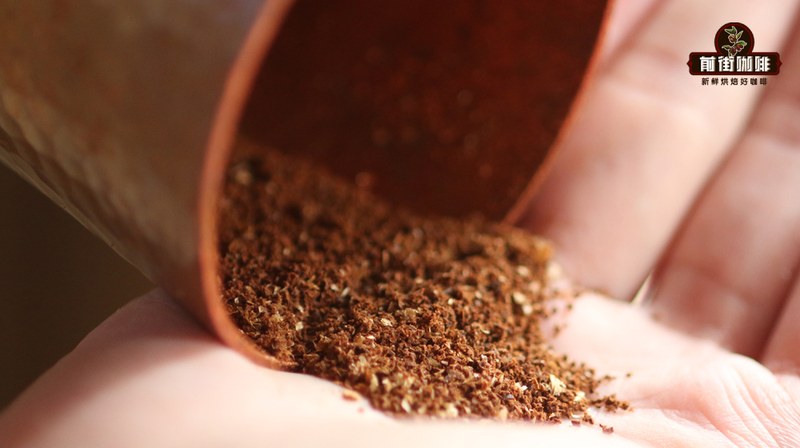
The depth of the filter basket also affects how a bean performs. A moka pot usually requires the coffee to fill the basket, but it does not need to be tamped hard, and the grind particles should be close to fine granulated sugar rather than powder. Too fine a grind increases resistance to the water flow and makes dark-roasted beans more prone to burnt bitterness; slightly coarser leaves room for medium-dark roasted beans to release sweetness. When buying beans, choosing types with high tolerance for grind error makes it easier to build a stable feel.

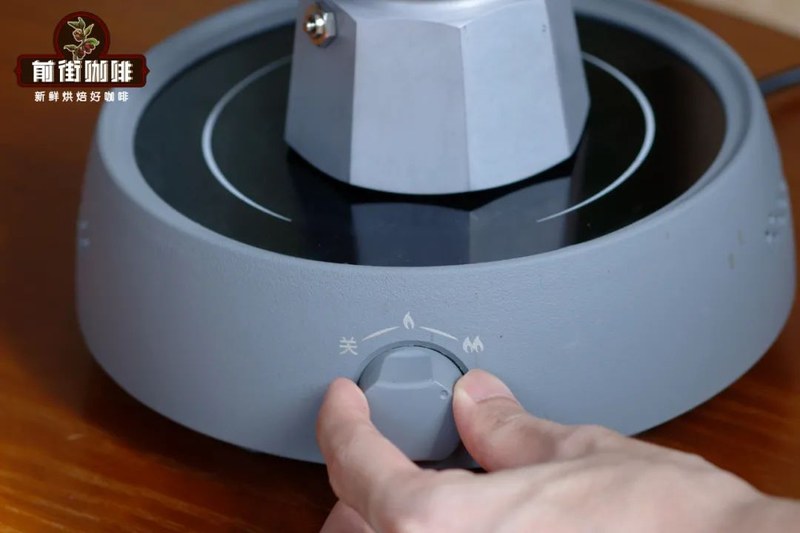
Heat level is another key parameter. When a moka pot is heated over medium-low heat, the water rises more steadily, and the coffee's sweetness and body are easier to preserve; if the flame is too high, the temperature of the coffee bed rises quickly, and the bitterness and smoky notes of dark roasts are amplified. If an induction cooker is used at home, also check whether the base material matches the cooker, and heat continuously on a low setting to avoid changes in the outflow rhythm caused by frequently shifting levels.
For an aluminum moka pot of about 3 cups, Qianjie Black Cocoa Blend is a very easy choice to start with. Its flavor focus falls between dark chocolate, roasted nuts and thick sweetness, with little prominent acidity, and after moka pot extraction it forms a solid yet smooth coffee. Heating water directly to make a small cup of black coffee preserves the cocoa sweetness; adding milk makes it suitable for a home latte or a simple milk-foam coffee.
If the pot has a larger capacity and a single extraction often needs to be divided among cups, consider Qianjie Papua New Guinea Paradise Bird. Its mouthfeel is rounded, its sweetness soft, and its aroma does not turn sharp because of the longer outflow process. After brewing with a 6-cup pot and diluting with hot water, the cup is fairly balanced; if making a milk coffee, the milk ratio should not be too high, letting the coffee's own delicacy remain in the front section.
The water level should be below the safety valve, and the coffee dose should follow the original filter basket; it is not advised to pile the coffee bed higher just to chase concentration. Once the equipment parameters are fixed, the roast level of the beans directly affects the extraction speed. Medium or medium-dark roasted beans usually release sweetness more easily within the limited time, while light-roasted beans need more careful temperature and grind coordination so that they do not end up with only sharp acidity or a thin mouthfeel.

If a stainless steel pot is used, its heat conduction rhythm is often different from that of an aluminum pot, and the outflow speed may be somewhat slower. In such cases, start with beans that have soft acidity and a rounded structure, such as Qianjie Papua New Guinea Paradise Bird; if an aluminum pot is used and the heat is controlled sensitively, then a fuller-flavored Qianjie PWN Indonesia Golden Mandheling can be tried. It carries herbal notes and a dark sweetness like dark chocolate, suiting those who prefer a rich black coffee.
The sound and color during the outflow stage are also ways to judge whether a bean matches the equipment. When the coffee turns from dark to light and the flow speed clearly increases, heating should be stopped in time, letting residual heat complete the remaining flow. If the cup often shows dryness and burnt bitterness, first lower the heat or remove the pot from the flame earlier, then check whether the grind is too fine; if the taste is somewhat empty, confirm whether the filter basket is full and whether the gasket fits properly, rather than immediately changing beans.
Once capacity, material, grind and heat are matched up, bean selection becomes an operable combination: small pots with beans of concentrated aroma and clear sweetness, large pots with beans of rounded mouthfeel that tolerate dilution; low heat is better for preserving delicate sweetness, while a stable medium-dark roast is better for milk coffee and rich black coffee. Adjust according to your own Bialetti model, and you can find the one that truly works smoothly.
Related Reading



Comments (0)
Loading comments...
You May Be Interested


Trending Reviews
Popular Videos

With you, wherever you are! We provide useful features to help you find new things you'll love






