Source:Best Coffee > News Author:qjroot Published:2026-09-19 12:39:19
When browsing a shelf of coffee beans, what often makes people hesitate is the two different flavor directions of single-origin and blends. Single-origin coffee reveals the microclimate, soil and varietal characteristics of a specific region without embellishment, with a distinctly vivid terroir; blended coffee is a harmonious composition in which the roaster skillfully combines green beans from different origins to balance flavor layers and mouthfeel. Each has its strengths, satisfying different drinking expectations.
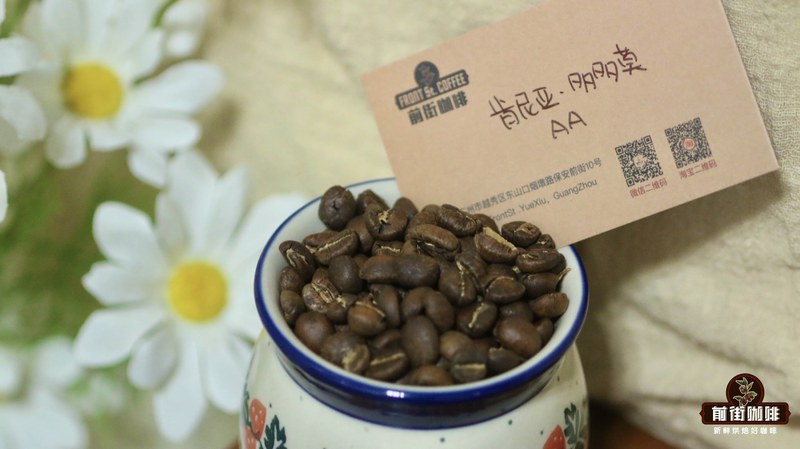
To appreciate a pure regional character, single-origin beans are the ideal channel for exploring the boundaries of flavor. High-altitude regions give coffee beans lively fruit acidity and delicate floral aromas, and every sip lets you taste the geographical imprint unique to the place of origin. Whether it is a delicate rhythm of flowers and fruit or a warm tea-like feel, single-origin coffee always brings the palate layered surprises and pleasure when drunk black.
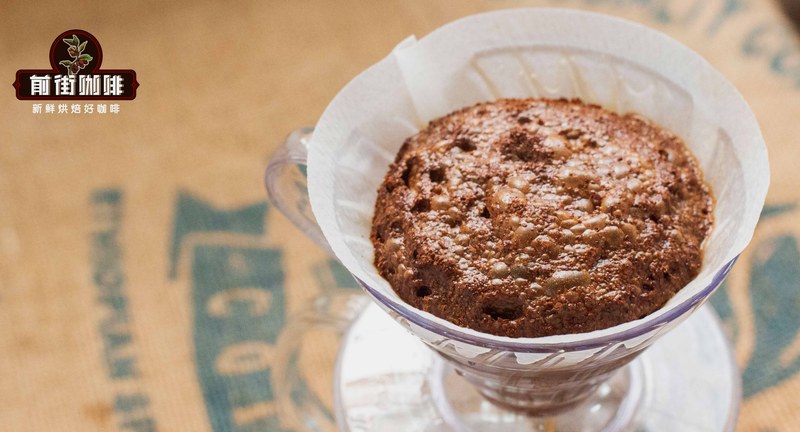
Among floral and fruity single-origins, Qianjie Yirgacheffe Gudingding is lively in flavor. For pour-over, weigh 15g of ground coffee, use a water temperature of 91°C, a coffee-to-water ratio of 1:15, pour a total of 225ml of water, with a total time of 2 minutes 05 seconds. Pour in three stages: first pour 30ml of water and bloom for 30 seconds, then pour steadily to 130ml, and after the water level drops, pour to 225ml to complete the extraction. The first sip shows crisp citrus-like fruit acidity, accompanied by white floral notes and a finish as sweet as green tea.
If you are after an elegant and refined single-origin flavor, Qianjie Panama Hacienda La Esmeralda Red Label Geisha can deliver a stunning experience. Pour-over is likewise recommended, with 15g of ground coffee and a water temperature of 90°C, keeping a coffee-to-water ratio of 1:15, a total water volume of 225ml, and a total time controlled at 1 minute 55 seconds. The brew uses a two-stage pour: pour 40ml of water for a full 30-second bloom, then pour steadily and continuously to 225ml and stop, unfolding jasmine floral notes and bergamot aromas, with a long, lingering black tea finish.
Compared with the assertive personality of single-origin beans, blended coffee places more emphasis on balance and stability in the cup. Beans from a single region often each lean toward acidity, sweetness or body, while an excellent blend recipe, by making up for one another's shortcomings, brings coffee to a high degree of harmony in crema thickness, nutty and cocoa sweetness, and overall body, making it gentle and easy to drink every day without causing palate fatigue.
By understanding the recipe proportions on the bag, you can easily predict the flavor direction of a blend. The component with the higher proportion is usually the base bean, commonly Brazilian beans, mainly responsible for providing solid chocolate and nutty flavors and abundant crema; the aroma-enhancing bean at 20 to 30 percent is often chosen from Colombia or African regions to add soft fruit acidity and delicate layers, making the whole cup more three-dimensional and rich.
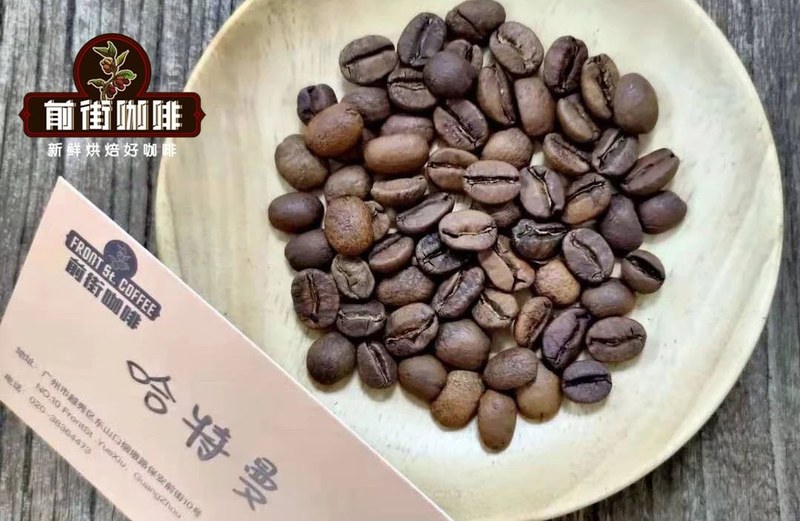
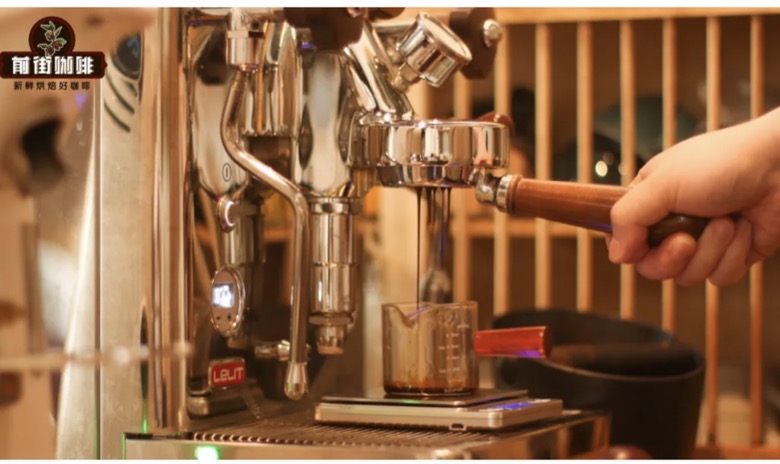
In front of an espresso machine, traditional blends and single-origin espressos each show their strengths. If you love classic milk coffee, a darker-roasted espresso blend shows rich supporting power. Use a double basket filled with 18.5g of ground coffee, and after a 2-second low-pressure pre-infusion, extract 37g of espresso at constant pressure, with a total time of 26 seconds. The dark crema is thick and full, and after combining with finely steamed milk, the caramel and cocoa aromas are full and sweet.
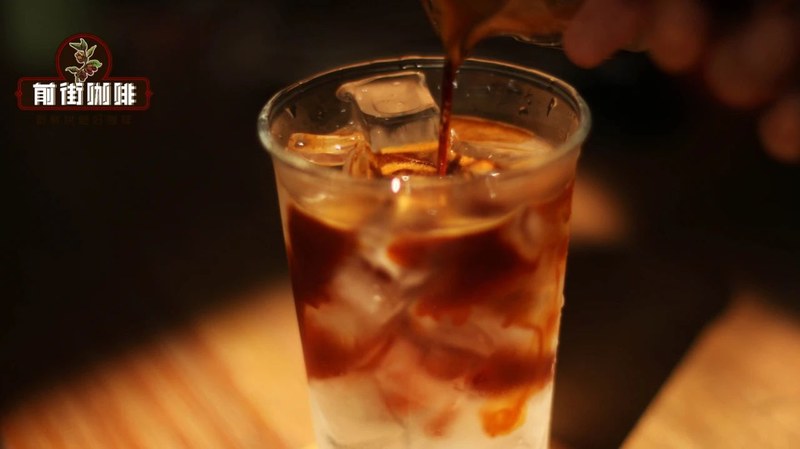
If you want a bouncing juice-like quality in milk coffee or an americano, SOE single-origin espresso can bring a different experience. Choose the full-flavored Qianjie Colombia Sidra to make an SOE, grind 18g of ground coffee, and extract 36g of espresso at steady constant pressure, with a total time of 27 seconds. Pour this espresso into iced water filled with ice cubes to make an iced americano, and the bright juice-like quality of passion fruit, ripe blueberry and grape advances layer by layer, refreshing and invigorating.
Even with a common household moka pot, the two types of beans can each show their charm. Pour 110ml of warm water into the lower chamber up to below the safety valve, fill the filter basket evenly with ground coffee without tamping, and place it on the stove to heat over medium-low heat for 1 minute 45 seconds. When the deep golden coffee liquid flows out smoothly, remove it from the heat; blended beans can brew a thick, smooth texture like hot chocolate, while single-origin beans present a light espresso with bright fruit aromas.
Once you sort out the brewing equipment on hand and what you want to drink, the choice becomes especially clear. If you are keen on savoring pour-over and long to feel the aromatic details of estates in different countries, single-origin beans can satisfy the pleasure of exploring flavors; if you urgently need a rich, silky latte in the morning to get going and pursue a high degree of flavor stability, a classic espresso blend can provide dependable satisfaction. Match your choice to the drinking scenario, and picking beans is less likely to go wrong.
By combining your preferred flavor base, drinking habits and the equipment at hand, the choice between single-origin and blends is actually not complicated. In daily life, prepare a bag of lively, aromatic single-origin for a change of mood, and at the same time keep a warm, full-bodied blend as your everyday staple; every time you open the bag, grind and extract, you can comfortably enjoy coffee aromas and wonderful flavors that suit your taste.
Related Reading


Comments (0)
Loading comments...
You May Be Interested

Trending Reviews
Popular Videos

With you, wherever you are! We provide useful features to help you find new things you'll love






