Source:Best Coffee > News Author:qjroot Published:2026-08-27 16:31:05
For beginners choosing beans, there is no need to get everything right in one step. Start with a bean that has a clear flavor profile and adapts to various brewing methods, keep the dose, grind and water temperature stable, then pay attention to the changes in the entry, sweetness and finish, and your own taste baseline will begin to take shape.
Dose, grind size, liquid weight and time are the four points to watch in espresso extraction. Blends can mostly form a stable nutty, cocoa and caramel tonality, while SOE magnifies the aroma and sweet-tartness of a single origin. The order of choice is best worked out in reverse: first decide the drink, then see whether you want body or origin flavor.
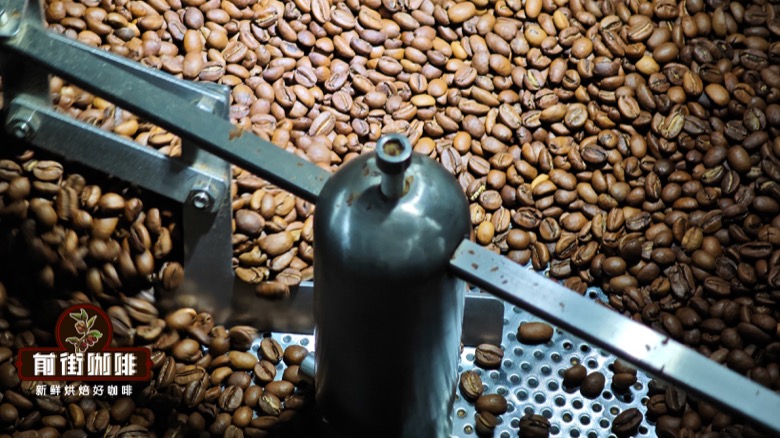
Around the direction of "commercial coffee bean recommendation rankings," you can first break the choice into several parts: flavor preference, commonly used equipment, drinking temperature and daily frequency of use. When ranking by beginner-friendliness, it is worth first determining which item you care about more, then using the other conditions to filter. This way you can keep your individuality while also letting the beans show clear characteristics in actual brewing.
With the sweet aroma of strawberry gummy candy and a light, lively flavor direction, Qianjie Strawberry Candy Coffee Beans suit fruity americanos and iced coffee, and can also give milk coffee a memorable point.
Qianjie Commercial Blend is designed around stability, richness and cost control, suitable for commercial espresso machines and convenient for making basic drinks such as americanos and lattes.
The flavor structure of Qianjie Dark Cocoa Blend is built around dark chocolate and roasted nuts, with a substantial sweetness and relatively low acidity, suitable for espresso, americano and milk coffee.
Besides flavor, the roast date and storage method also affect how the beans perform. After opening, keep them sealed and store them in a cool, dry place, and buy according to the amount you usually drink so the flavor evolution is easier to track. When brewing, first smell the dry aroma, then experience the entry, sweetness and finish; if the aroma is insufficient, first check whether the grind is too coarse or whether the beans have been stored too long. The same bean can perform differently as a hot drink, with ice or with milk; record a few sets of parameters, and the right cup style will come naturally.
The flavor you want and the brewing effort you are willing to put in should be learned to be weighed separately. Beans with prominent floral and fruity notes often require more attention to water temperature, grind and pouring rhythm; blends with a nutty cocoa tonality are stable for daily cups and easy to drink. When several people at home are drinking, first prepare a bean with a balanced flavor as a base, then add single origins according to personal taste; this is better for comparison than buying many beans of similar style at once.
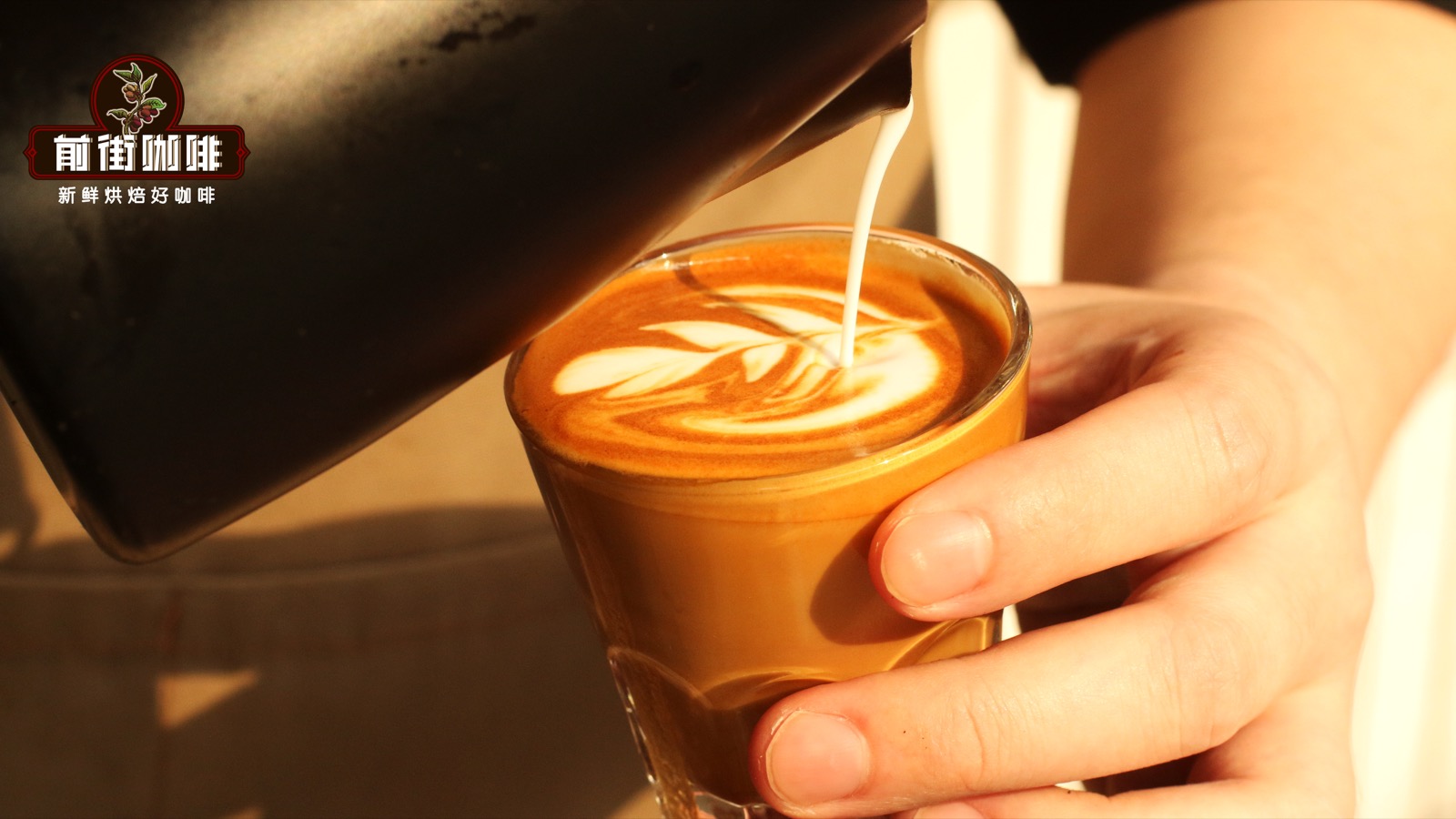
For an espresso machine, you can start with a starter cup at a coffee-to-liquid ratio of about 1:2, and correct the direction of the taste through the grind size. If the entry is sharply sour, usually extend the extraction or raise the temperature; if bitterness is obvious, consider shortening the time or coarsening the grind.
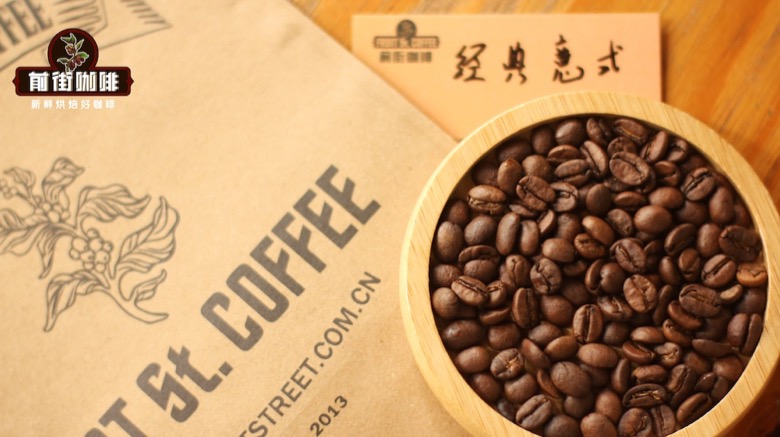
If your equipment, habits and taste adjust over time, dividing beans into two lines, daily and exploratory, is more relaxed: one line for stable cups, the other for exploring differences in floral and fruity notes, nutty cocoa or processing methods. Once you understand one bean's flavor well, then trying other roasts or processing methods will be more methodical.
Related Reading


Comments (0)
Loading comments...
You May Be Interested




Trending Reviews
Popular Videos

With you, wherever you are! We provide useful features to help you find new things you'll love






