Source:Best Coffee > News Author:qjroot Published:2026-10-07 10:23:11
Papua New Guinea is located in the South Pacific and is an island nation covered by tropical rainforests, with coffee cultivation concentrated in the highlands of the central mountain range. The Sigri region is a particularly well-known highland growing area locally, and the Front Street Bird of Paradise Estate is located here. The altitude, rainfall and cloud mist conditions here form a fascinating echo with the distant Jamaica Blue Mountain region - both are island climates, both have fertile volcanic soil, and both grow Typica varieties introduced from Jamaica. This geographical coincidence has allowed Papua New Guinea coffee to develop a flavor profile similar to Blue Mountain, and it is affectionately called "Little Blue Mountain" by many enthusiasts. Understanding how the terroir of this highland shapes the taste in the cup is the key to truly understanding this coffee.
Altitude is the foundation that determines the flavor structure. The high altitude of the Sigri region means temperatures are lower throughout the year, the ripening cycle of coffee cherries is extended, and the fruit has more time to accumulate sugars and flavor compounds. At the same time, the highlands have a significant temperature difference between day and night; sugars produced by photosynthesis during the day are consumed less under low nighttime temperatures, ultimately converting into fuller sweetness and more complex aromatic layers. The direct benefit brought by this "slow ripening" is an especially clean and pure taste base in the cup, as well as that impressive, prominent sweetness - not a monotonous cloying sweetness, but a sweetness with brightness and structure.
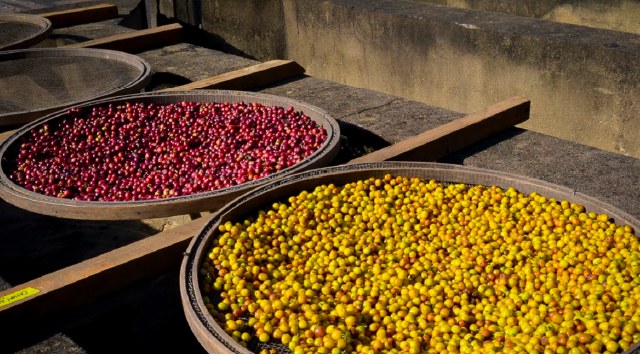
Volcanic soil adds thickness and direction to this sweetness. Papua New Guinea's coffee-growing areas were mostly formed by ancient volcanic activity, and the soil is rich in minerals and organic matter with good drainage. The Typica variety itself is known for being delicate and soft, and nourished by volcanic soil it develops cocoa and nut aroma characteristics, while the finish carries a mulberry-like sweet acidity, keeping the ending of the whole cup from being dull. Abundant rainfall combined with the cloud mist that lingers in the mountains year-round not only ensures the water needed by the coffee trees, but also, through the shading effect, reduces the metabolic pressure caused by intense sunlight, allowing the leaves and fruit to maintain a moderate growth rhythm and preventing the flavor from becoming too thin or bitter.
Processing is another force shaping flavor beyond terroir. The locally dominant triple washed process is especially suited to the high-humidity island environment. Repeated washing removes residual pulp and mucilage, greatly reducing the risk of fermented off-flavors while bringing the beans' cleanliness to a very high level. During the washing process, the beans are soaked, fermented and washed again in tanks; the acidity is softened while the sweetness is amplified - this is a completely different aesthetic path from the fermented fruit aromas pursued by natural or honey processing. If the same batch of Typica were switched to wet-hulled processing, it would bring out earthy and herbal notes; natural processing would add berry and vinous notes; honey processing retains some mucilage, making the sweetness stickier but slightly reducing cleanliness. The choice of triple washing precisely echoes Sigri's high-altitude sweetness and the nutty cocoa undertone of the volcanic soil, ultimately achieving that "not sour route."
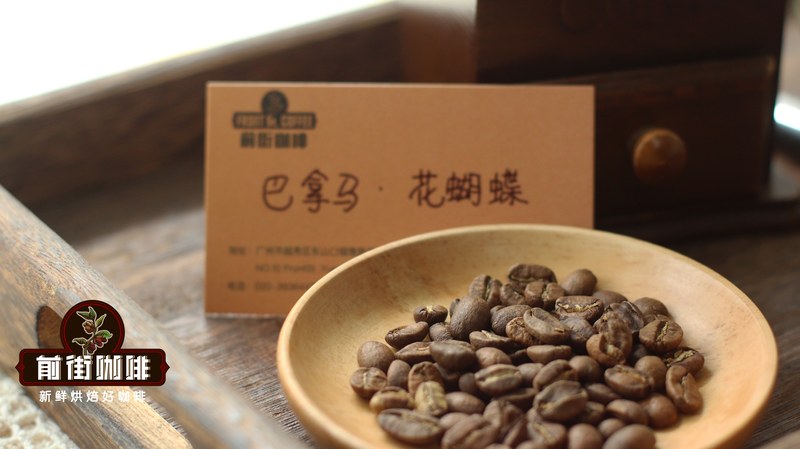
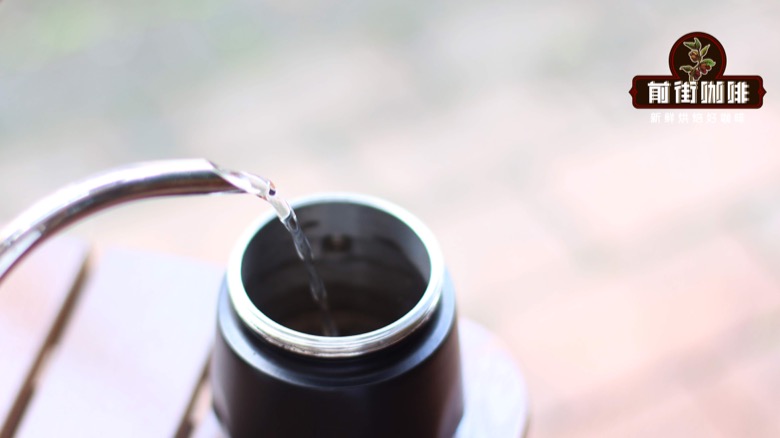
Front Street Papua New Guinea Bird of Paradise is a typical expression of this terroir and craftsmanship. It comes from the Front Street Bird of Paradise Estate in the Sigri region; the Typica variety is triple washed and medium-dark roasted, with a rich body and prominent sweetness, leaning toward cocoa, nuts and caramel in flavor, with a chocolate-like bittersweet finish. For pour-over, it is recommended to use 15 g of grounds, a coffee-to-water ratio of 1:15, and a water temperature of 86-88°C; after a 30-second bloom, pour slowly, keeping the total time within 2 minutes, and you can clearly feel the richness and sweetness produced by the combined effect of high altitude and washed processing. If using an espresso machine or moka pot, a finer grind and short extraction, or heating over medium-low heat until the flow ends, can also capture its clean base as a single-origin espresso.
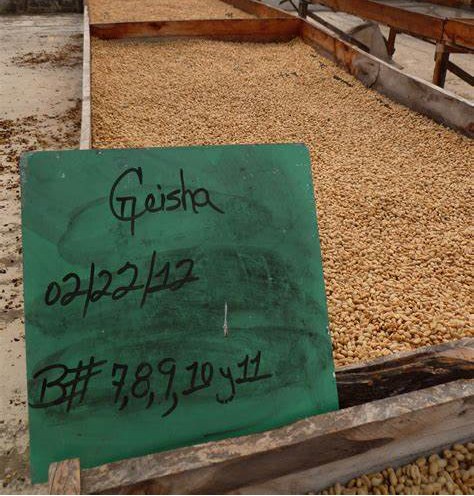
Papua New Guinea Typica also often appears in blends, providing stable mid-palate support for the overall structure. Front Street Autumn Chestnut Blend selects Honduras Caturra and Papua New Guinea Typica; Caturra brings lively citrus notes, while Papua Typica fills in the richness and sweetness of cocoa and nuts. The two complement each other without competing, blending into a warm and delicate richness, and you can also taste the clean base of Papua Typica, making it suitable for drinkers who prefer a mild, non-irritating style.
From terroir to cup, the story of Papua New Guinea coffee always revolves around "cleanliness" and "sweetness." The slow ripening of the island highlands, the mineral nourishment of volcanic soil, and the refined craftsmanship of triple washing mesh and operate like gears, ultimately landing in that sip of cocoa and nut aroma, and in the mulberry-like sweet and acidic aftertaste of the finish. When drinking this coffee, take note of its similarities to and differences from Jamaica Blue Mountain - what is similar may be that elegance and balance, while what is different is the gentleness unique to South Pacific islands, carrying the breath of the rainforest.
Related Reading


Comments (0)
Loading comments...
You May Be Interested

Trending Reviews
Popular Videos

With you, wherever you are! We provide useful features to help you find new things you'll love






