Source:Best Coffee > News Author:qjroot Published:2026-01-07 17:04:37
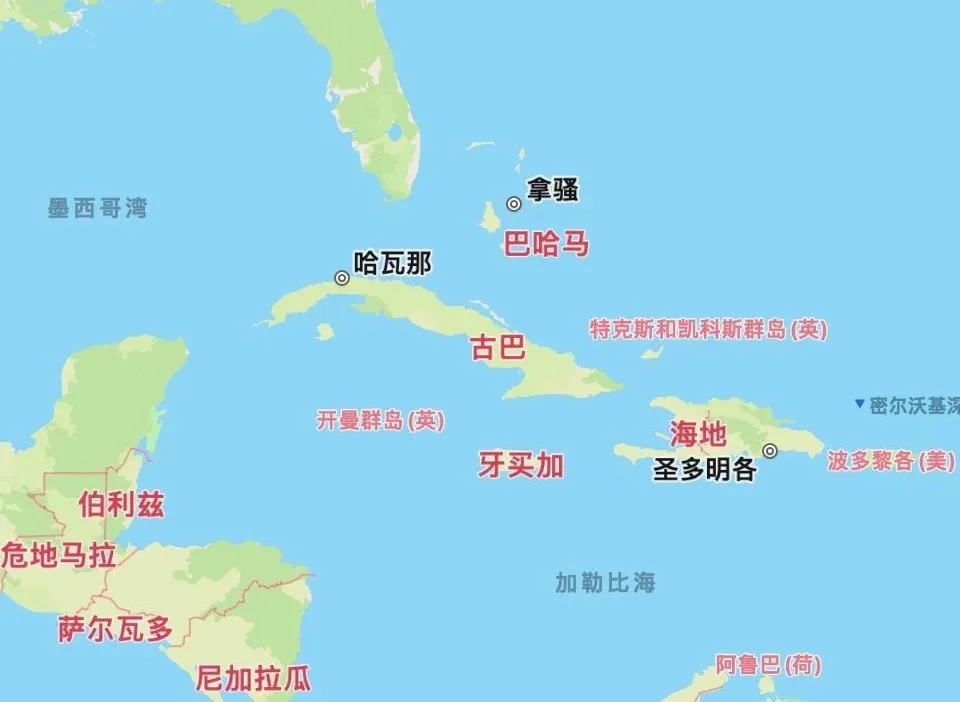
North America is the world's third-largest continent, spanning tropical, temperate and frigid zones, with a complex and varied climate. In the Caribbean Sea in the southern part of North America, the influence of warm equatorial currents, combined with suitable geographical environment and climate conditions, makes it highly suitable for crop growth, including coffee trees. Therefore, many island nations in the Caribbean grow coffee, such as Cuba, Haiti, the Dominican Republic and Jamaica. Among them, although Jamaica produces a small amount of coffee, it has kept its fame high for many years with Blue Mountain coffee, and is deeply favored by countless enthusiasts.
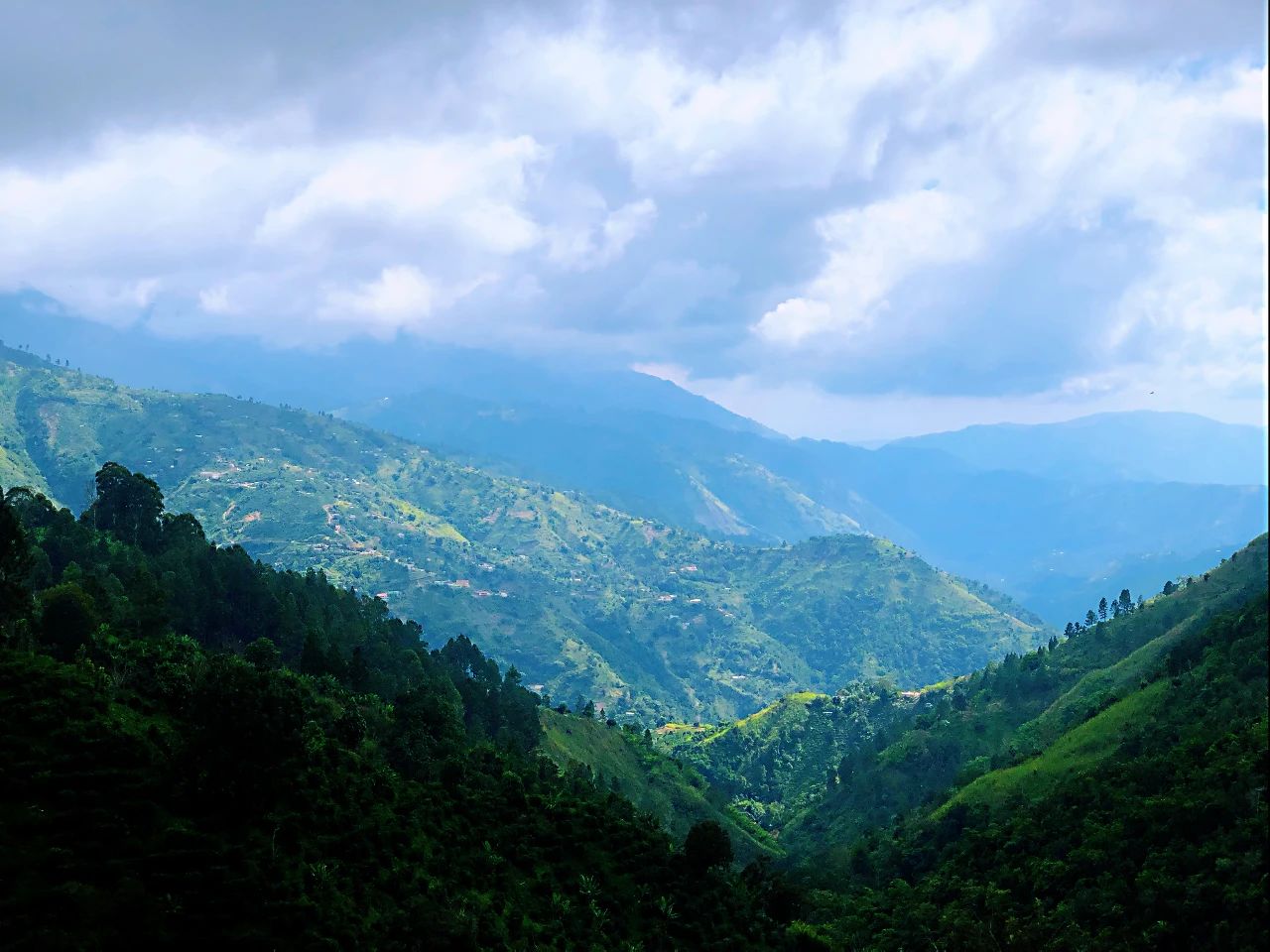
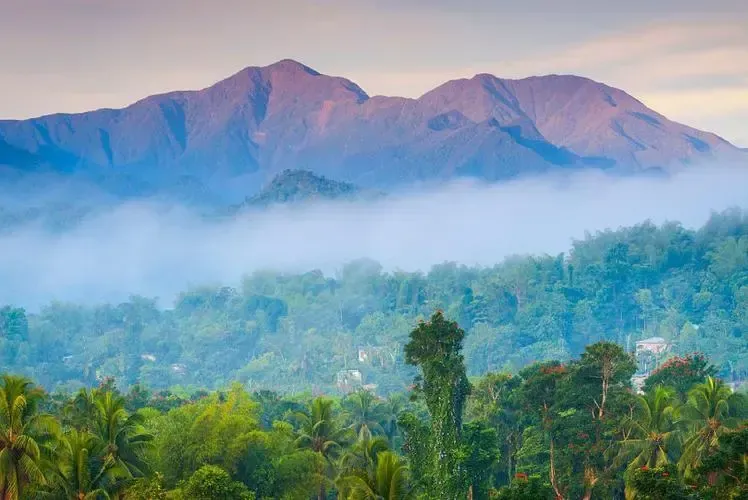
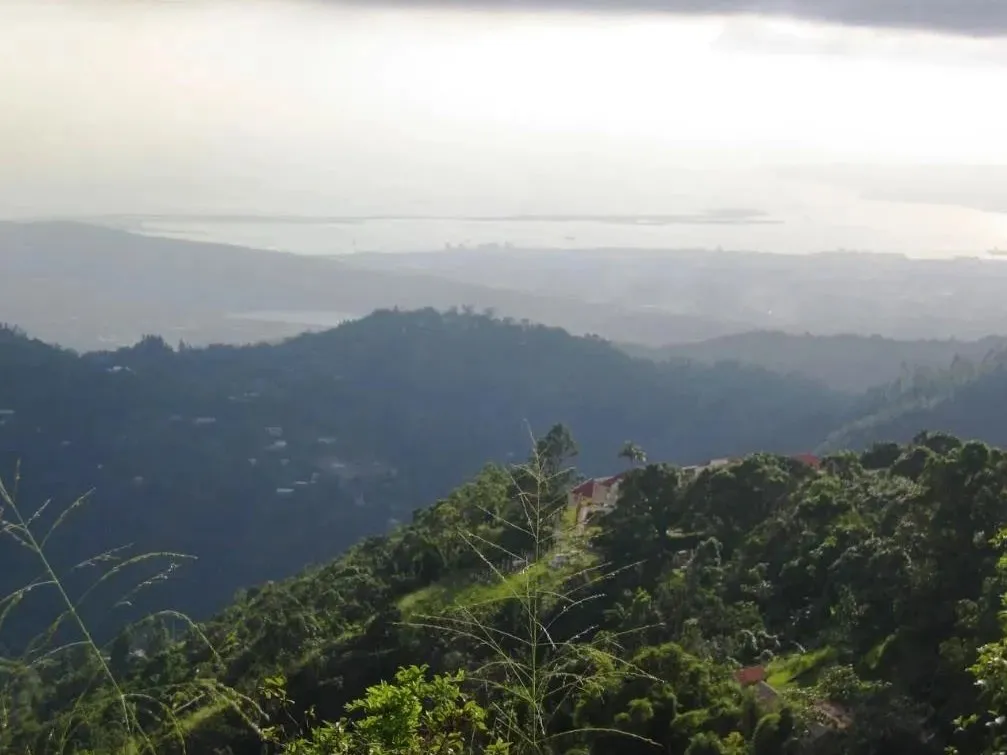
Jamaica is located in the northwest of the Caribbean Sea and is an island country. The coastal areas of the country are alluvial plains, while the central and western parts are hills and limestone plateaus, and the eastern part is mainly the Blue Mountain range. Because the Blue Mountains are surrounded by the Caribbean Sea, when the weather is clear, the sun shines directly on the azure sea surface, and the peaks reflect the brilliant blue glow of the seawater, hence the name.
The highest point of the Blue Mountains has an altitude of 2256 m and is the highest peak in the Caribbean region. It is also a volcano, and therefore has fertile volcanic soil. Because the air here is fresh, the climate is humid, and the temperature remains around 27°C all year round, such climate and natural environment have created the world-renowned Jamaica Blue Mountain coffee.
Jamaica has a long history of coffee cultivation, dating back to the 18th century, when Jamaican Governor Nicholas Lawes introduced coffee seeds from Martinique and planted them in the St. Andrew area. By the late 18th century, coffee-growing areas had spread from St. Andrew to the entire Blue Mountains range. At that time, Jamaica had more than 600 coffee plantations, but because it was still a British colony, the farms were mostly controlled by the British, and locals could only work on the plantations as slaves.
It was not until the early 19th century that slavery was abolished. Coffee plantations faced a labor shortage, and also lost Britain's preferential trade conditions for the colony. The coffee industry began to decline, and by the 19th century only 180 coffee plantations remained.
But the Jamaican government attaches great importance to the development of the coffee industry. In 1891 it passed a law hoping to teach producers about coffee cultivation knowledge, thereby improving quality, and also improved basic equipment so that coffee could undergo centralized processing and grading. In 1944, the government also established the Central Coffee Clearing House, and all coffee had to be certified by this institution before export.
In addition, in 1950 the Jamaica Coffee Industry Board (CIB) was established, but in 2018 this organization merged with other Jamaican commodity institutions to form JACRA (Jamaica Agricultural Commodities Regulatory Authority). Now every barrel of Blue Mountain coffee beans must undergo quality supervision by JACRA. At the time of its establishment, the Coffee Industry Regulation Act was also promulgated, defining the world-famous "Blue Mountain Coffee Growing Area."
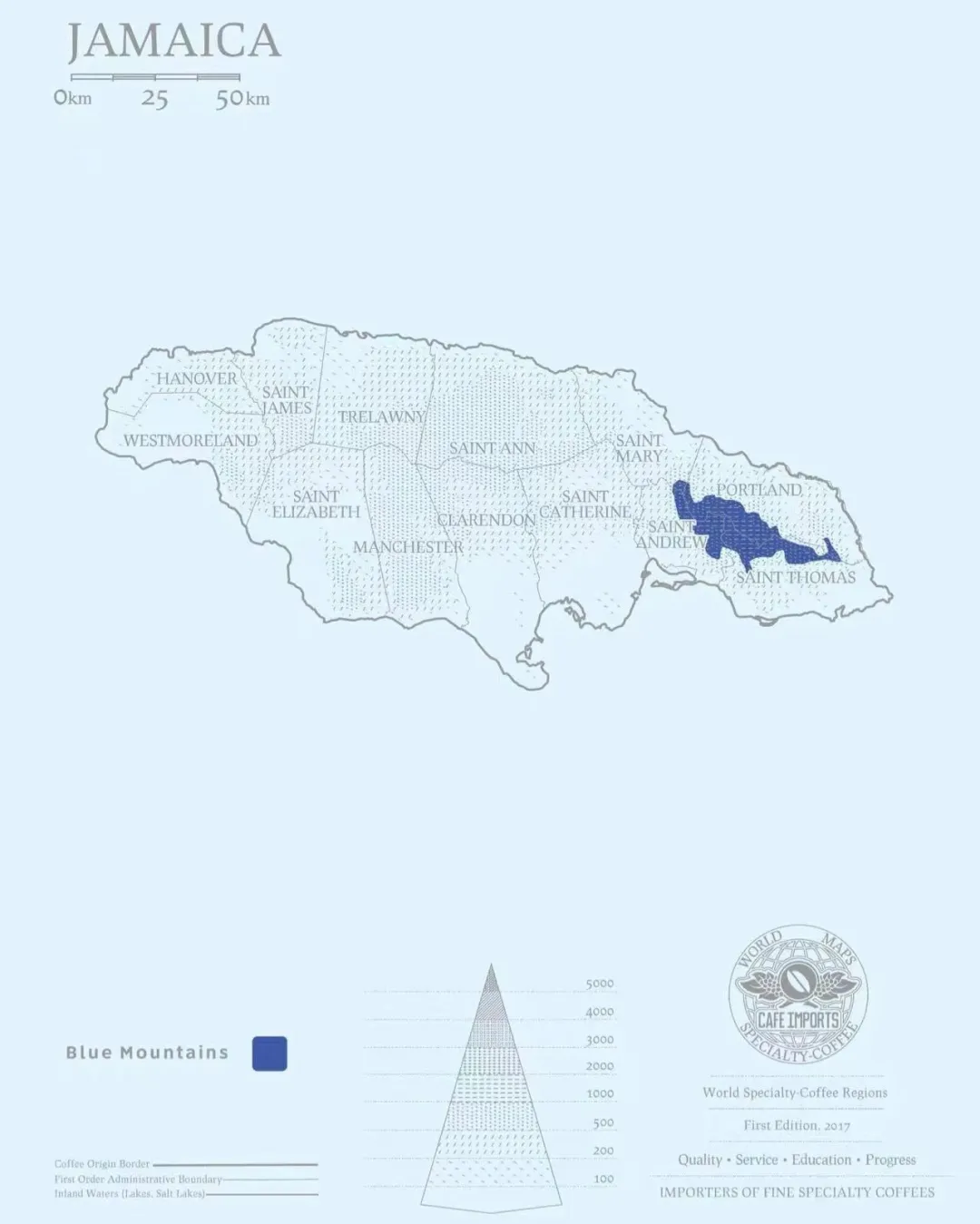
According to the provisions of the promulgated Coffee Industry Regulation Act, the Blue Mountain growing area is distributed across four districts: St. Andrew, St. Thomas, Portland and St. Mary. Only Typica variety coffee grown within this area at an altitude of 915 m-1700 m can be named Jamaica Blue Mountain coffee.
Compared with other coffee origins, Jamaica was the first country to recognize the "taste of place" of coffee. The standards for evaluating the quality of Blue Mountain green beans cover multiple categories: green bean size specifications, defect rate, color, uniformity, post-roast cupping performance (including dry aroma, wet aroma, acidity, flavor, body, cleanliness and other factors) and other factors.
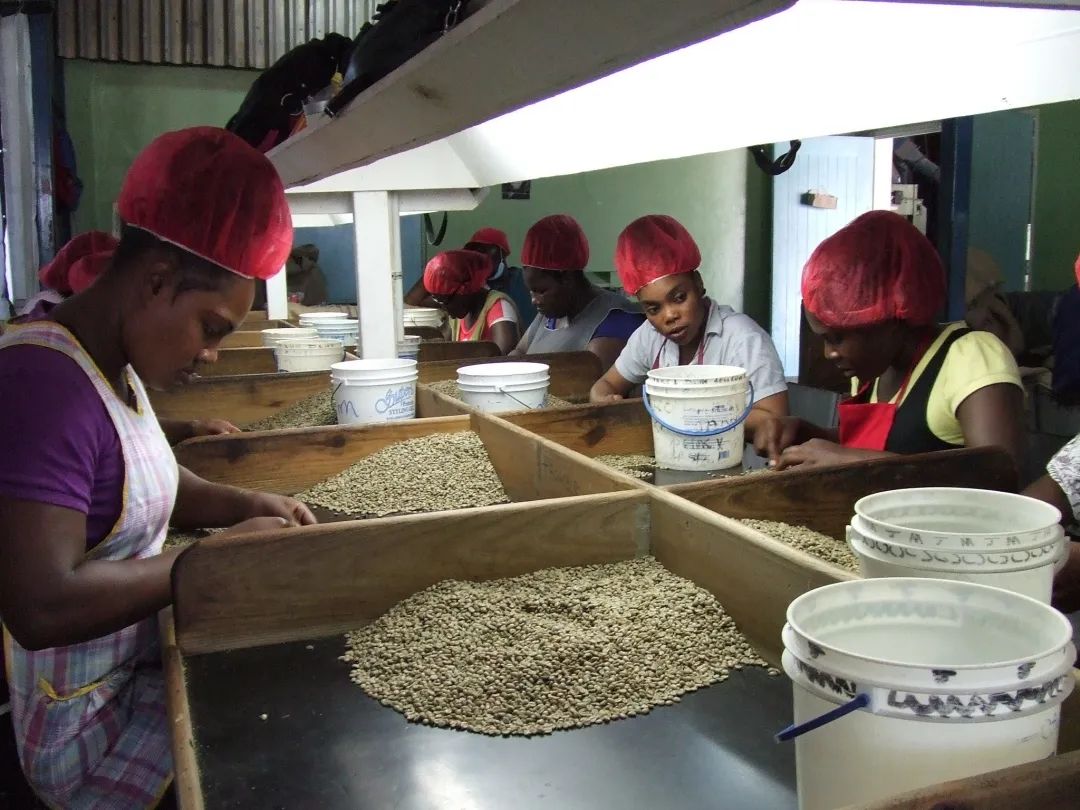
Bean size is measured using screens with various hole diameters; coffee beans that do not pass through the holes meet the required specification standard. Color evaluation includes visual observation and colorimeter readings, with blue-green being the highest grade. Combining the above standards, Blue Mountain coffee is divided into 4 grades, from high to low: Blue Mountain No. 1, Blue Mountain No. 2, Blue Mountain No. 3, Blue Mountain Peaberry. Top-grade Blue Mountain No. 1 green beans must meet a specification of 17 screen or above, a defect rate below 3%, a moisture content of about 13%, and in cupping present rich coffee aroma, a smooth, balanced mouthfeel, low acidity, and a long-lasting sweet aftertaste.
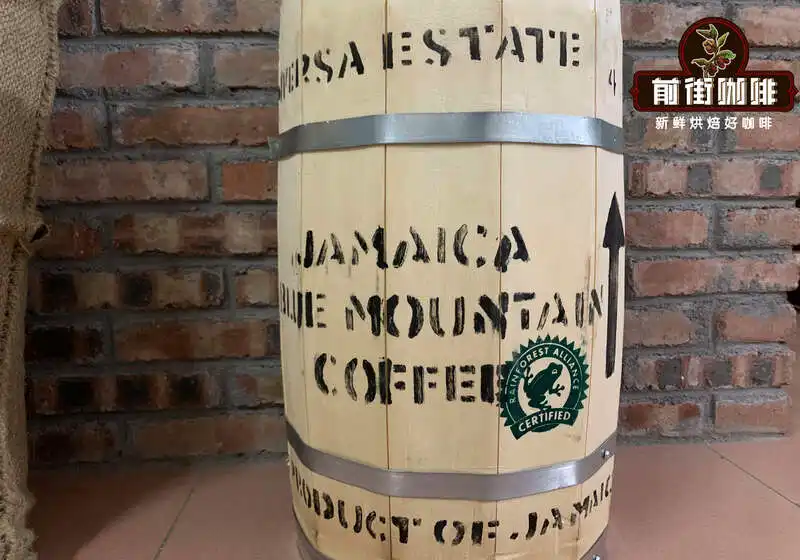
Blue Mountain coffee beans that have completed quality inspection are transported in containers of different materials according to different grades. Blue Mountain No. 1, No. 2 and No. 3 are the only coffee in the world exported in wooden barrels, with a total of three specifications: 70 kg, 30 kg, 15 kg. Other grades of Jamaican coffee are all exported in 60 kg burlap sacks. Compared with coarse burlap sacks, the advantage of oak barrels is that they absorb and release internal and external moisture and isolate the coffee aroma from escaping, allowing the coffee beans to maintain a more stable moisture content and making roasting more stable. Later, wooden barrels also became one of the marks for identifying authentic Blue Mountain coffee. The Qianjie store even displays wooden barrels used to transport Blue Mountain green beans.
The estates that produce Jamaican Blue Mountain coffee include Clifton Estate, Stoneleigh Estate, Gold Cup Estate and RWS Coffee Estate. The Blue Mountain No. 1 coffee sourced by Front Street comes from Clifton Estate, which has the longest history.
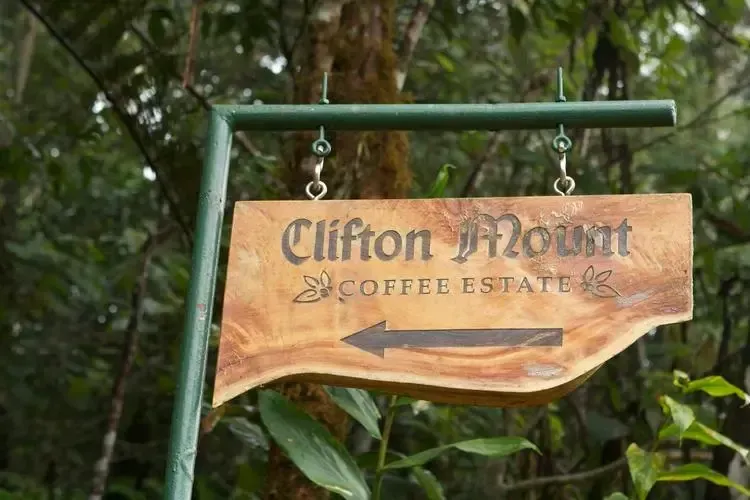
Clifton Estate's Blue Mountain production history can be traced back to the mid-18th century (roughly around 1750), and in 1978 it was taken over by the current owner, the Sharpe family. Clifton Estate sits on the picturesque Clifton Mount, with the coffee cultivation and green bean processing facilities located at an average of 4300 feet (1310.64 m). Sufficient altitude, misty days, ample sunshine, rainfall, and mineral-rich planting soil provide good growing conditions for the coffee trees, and delay the ripening time of the coffee cherries, giving the fruit enough time to form more aromatic compounds. The coffee grows on rugged mountain slopes, making harvesting extremely difficult. Every spring during the harvest season, the Sharpe family arranges for skilled workers to go up the mountain to hand-pick coffee cherries at the right stage of ripeness.
After the Sharpe family took over Clifton Estate, they began by transforming the wild, overgrown jungle on the farm, then introduced various processing equipment and invested in building a solar power station, a wastewater treatment plant, and a BMCP processing plant. As the only coffee estate with a "Rainforest" certification, every part of the operation within the estate adheres to environmental principles. The water used for green bean processing is used for agricultural irrigation, and the removed fruit skins are fermented into organic fertilizer for flower cultivation.
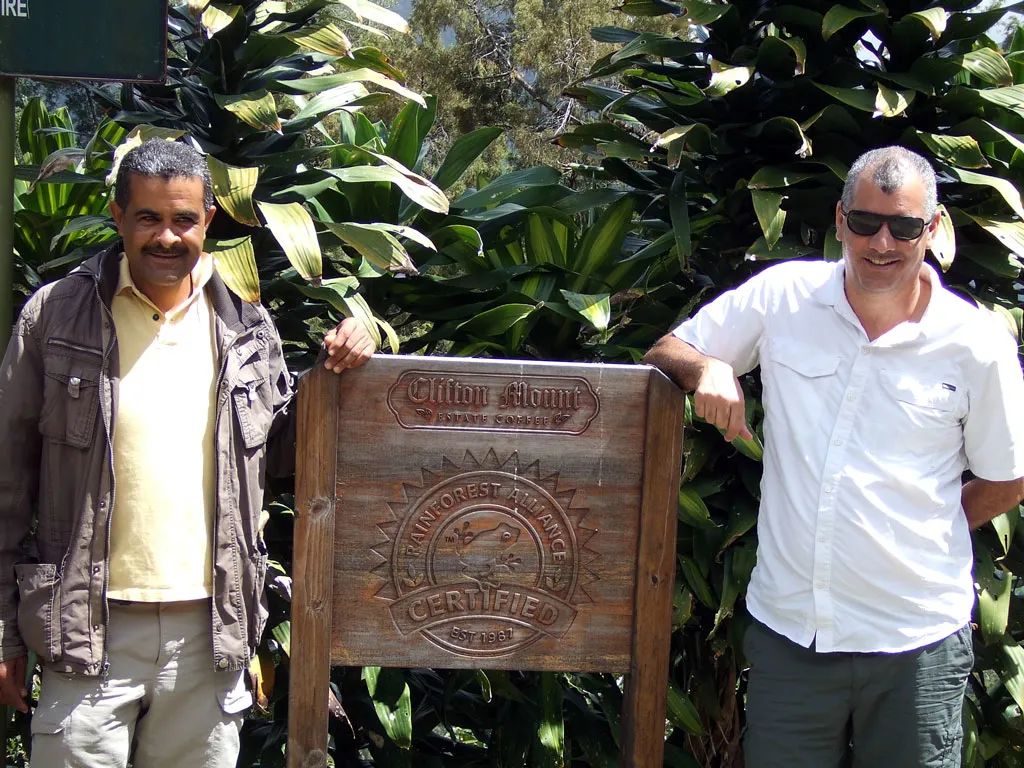
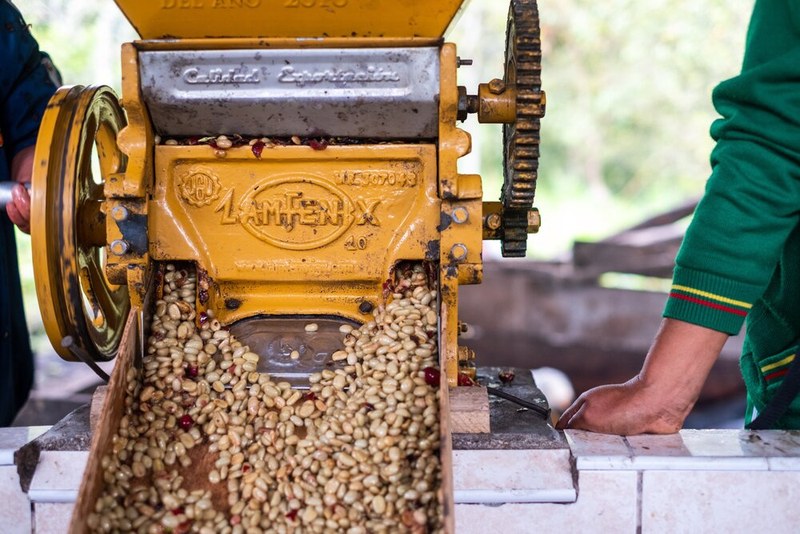
Clifton Estate places the harvested fresh cherries into water tanks, uses flotation to separate ripe beans from unripe beans, and then uses the water flow on a conveyor belt to send the ripe coffee cherries into depulping. The coffee beans with mucilage and parchment are then placed in water tanks to ferment. After the mucilage ferments, the agitation of the water flow is used to remove the remaining mucilage, and then the clean coffee beans with parchment are dried. Once they reach a certain 11-12% moisture content, they are sent to the BMCP processing plant to rest for one month. This step is for the maturation of the coffee's flavor and for greater stability of its internal structure and water activity.
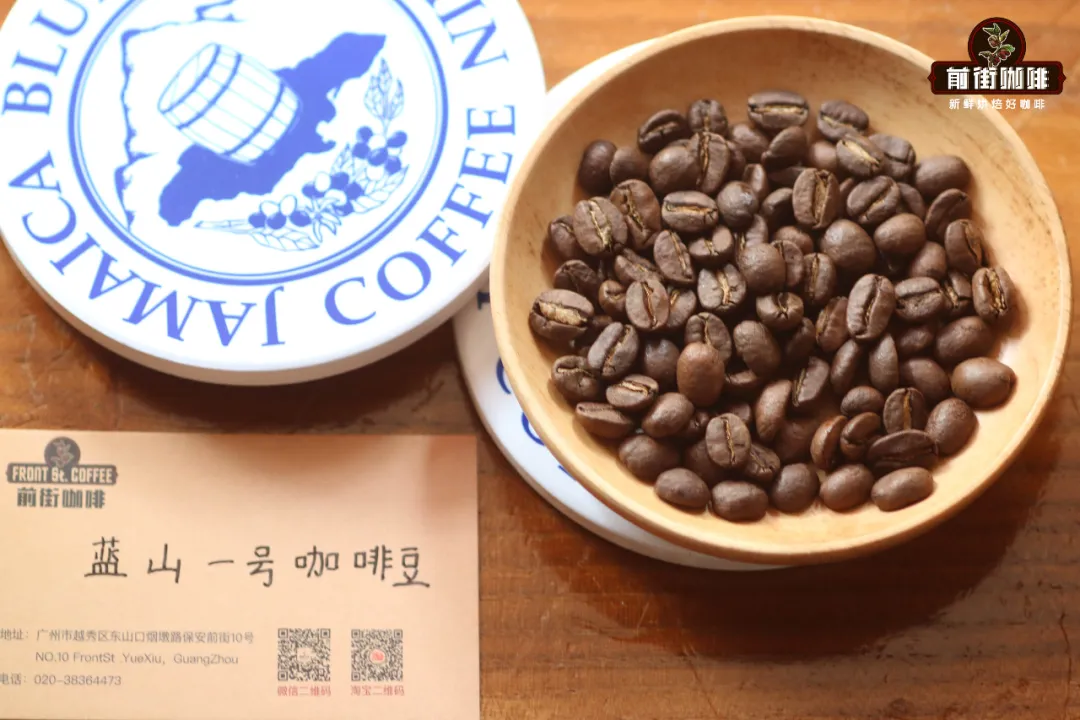
FrontStreet Coffee likes to extract Clifton Estate's Blue Mountain No. 1 coffee beans by pour-over. When hot, Blue Mountain No. 1 coffee enters the mouth with a dark chocolate aroma, very full-bodied, with a distinct almond-like sweetness that returns. As the temperature drops, roasted hazelnut and creamy sweetness are silky smooth, carrying a hint of soft acidity and caramel sweetness, and the aroma lingers in the mouth without fading.
Besides Clifton Estate, Stoneleigh Estate is also a well-known local Blue Mountain coffee producer. Stoneleigh Estate is located in the St. Andrew area, growing coffee at an altitude of 1642 m. The estate was first established in 1889, when it was a trial planting site for the British government, and was later bought by Mr. Clair in 1956, who began growing and operating it himself. After later government reforms, the entire estate was renovated and the most advanced cultivation and roasting facility in Jamaica was built, enabling the production of Jamaican Blue Mountain coffee with high stability and outstanding quality.
Stoneleigh Estate mostly cooperates with Japanese companies, has low recognition in China, and the estate's history is only 80 years. Gold Cup Estate has an even shorter development history, only 20 years, but it actually merged two estates with a hundred-year history, operating the estate with more advanced management techniques. RWS Coffee Estate, meanwhile, merged three estates with a hundred-year history; RSW refers to its three estates, Resource, Sherwood Forest, and Whitfield Hall, also with the aim of developing Blue Mountain coffee.
Related Reading

Comments (0)
Loading comments...
You May Be Interested




Trending Reviews
Popular Videos

With you, wherever you are! We provide useful features to help you find new things you'll love






