Source:Best Coffee > News Author:qjroot Published:2026-08-21 14:37:06
The moka pot may seem rough-and-ready, but in fact the quality of what it produces can be fully controlled through parameters. Lock down the three variables of water level, dose and heat, and every pot will land reliably in the tasty range.
Water level first. The lower chamber of a moka pot generally has a safety valve on its inner wall, and you should not fill water above the valve opening. Too much water and the excess will dilute the coffee during extraction, leaving the cup weak; too little and it may boil dry partway through, producing a burnt taste. The standard approach is to pour hot water to just below the safety valve; once the amount of water is fixed, the yield in the cup is also relatively fixed, which makes it easier to adjust the other parameters later. Using hot water rather than cold has another benefit: it shortens the heating time and reduces how long the coffee sits at high temperature, giving a cleaner flavor.
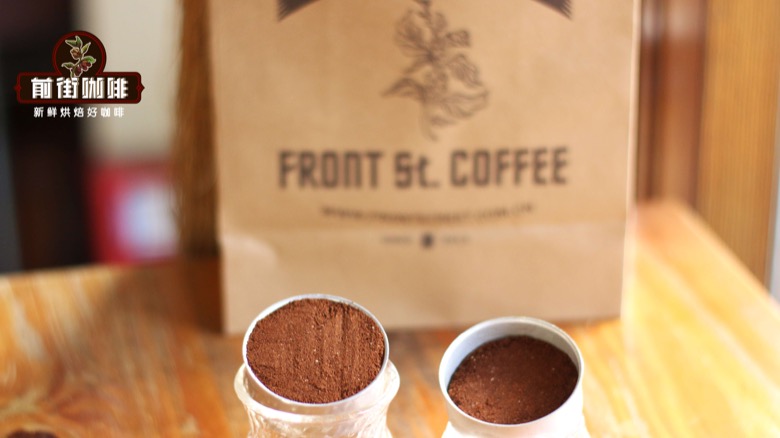
On dose, the benchmark is to fill the basket. A moka pot's basket has limited capacity, so after adding grounds, level them off gently without tamping. With too little coffee the bed is thin and water flows through quickly, making the coffee weak; with too much it will not fit, and forcing it down compresses the bed and blocks the flow, causing over-extraction. Once the grind is fixed, keeping the basket full and then using the coffee-to-water ratio to control strength will be more consistent.
Heat is the variable many people overlook. A moka pot is best heated over medium-low heat. With too high a flame, the lower chamber heats up fast, steam pressure spikes, extraction time is squeezed, and the coffee easily turns sour, thin, or even sputters; medium-low heat lets the pressure rise steadily, giving a fuller extraction and a more balanced flavor. When coffee starts coming out of the upper chamber, you can lower the heat slightly or take the pot off the heat early; the moment you hear the "gurgling" sound and the flow is nearing its end, stop immediately to avoid the bitter compounds of the tail end being forced out. Get the timing of taking it off the heat right and the taste of that pot will hold steady.
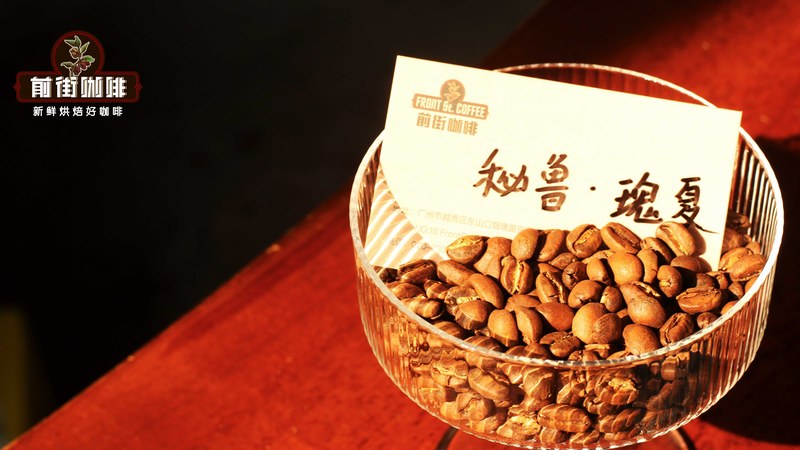
Once the water level, dose and heat are fixed, the only variable left is the beans themselves. With the same beans and unchanged parameters, the flavor stays stable; when you switch beans, fine-tune the grind or dose to suit them. The pleasure of the moka pot lies precisely in this: using the simplest equipment to make a consistently good cup through parameter control.
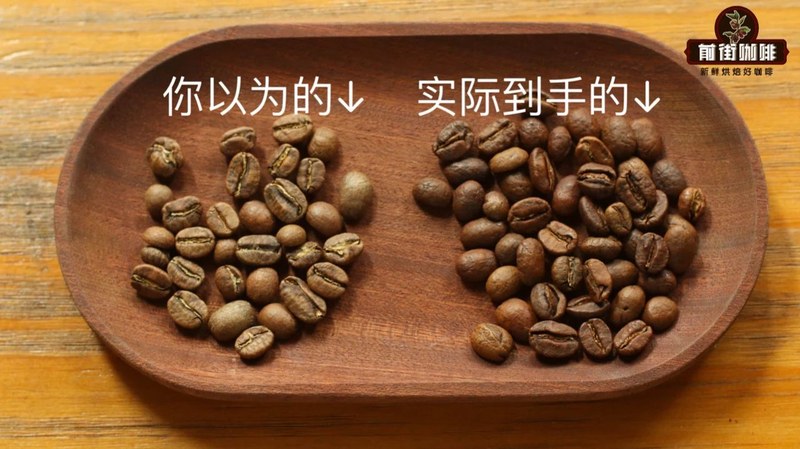
In addition, the freshness of the beans also affects the cup. Beans within their resting period have fuller flavor, and after opening the bag, be sure to store them sealed and away from light. Once your parameters are stable, you can record the result of each adjustment to build your own brewing notes; when you change beans, adjust by referring to them, and you will find a suitable parameter combination faster.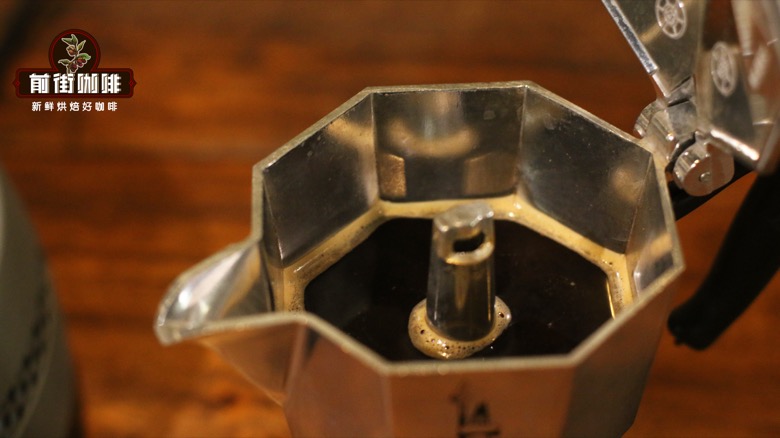
Related Reading

Comments (0)
Loading comments...
You May Be Interested

Trending Reviews
Popular Videos

With you, wherever you are! We provide useful features to help you find new things you'll love






