Source:Best Coffee > News Author:qjroot Published:2026-08-30 19:33:28
Coffee made with a moka pot is usually more concentrated than pour-over, yet it does not use the high pressure of an espresso machine. It relies on the steam pressure created when the water in the lower chamber is heated, pushing hot water through the coffee bed, so the roast level of the beans must be judged together with grind, water temperature and heat level. If you choose only by "liking acidity or liking bitterness," the actual cup may differ from expectations; starting from the equipment parameters makes the choice more concrete.
First look at the structure of the moka pot. Common pot sizes range from one serving to six servings; the filter basket needs to be filled and leveled off, and the water level is kept below the safety valve. Its coffee-to-water ratio is basically determined by the pot's capacity, and there is less room for adjustment than with pour-over, so the flavor intensity and extraction tolerance of the beans are especially important. In daily use, roast level often directly affects the concentration, bitterness and aroma in the cup more than the name of the origin.
Light-roasted beans retain more fruit aroma and acidity, but in a moka pot they need more sufficient heat to open up their flavors. You can use near-boiling hot water in the lower chamber, then place the filter basket and quickly assemble the pot to reduce the time the coffee grounds are heated on the stove. The grind should fall between pour-over and espresso, close to the feel of fine granulated sugar; too coarse will taste sharp and thin, while too fine can easily block the water flow and add off-flavors.
The light-roast direction is more suitable for people who like bright aromas, citrus or berry notes, and is also good for iced coffee. But because moka pot extraction is concentrated, the acidity will be more present than in pour-over, and the heat level and timing of removing from the heat need gentle handling. When you hear the sound of liquid coming out become rapid and the color starts to turn light, you can move it off the heat source and let residual heat finish a small amount of extraction. This preserves aroma and also makes the finish cleaner.
Medium-roasted beans are usually the range that is easier to manage in a moka pot. They have a certain amount of solubles and can form a full body, yet they do not release a large amount of roasted flavor as quickly as dark roasts. The grind can remain medium-fine, and both hot water or room-temperature water can be tried; the key is to keep the heating process stable. If the coffee tastes rather sour on entry, you can slightly refine the grind; if the finish feels dry, then coarsen it appropriately and end the heating earlier.

Qianjie Brazil Queen's Estate is suitable for understanding how medium-roasted beans perform in a moka pot. It presents roasted nuts, cocoa and a syrupy sweetness, with relatively soft acidity, and tastes smooth when made as a small cup of black coffee. If you add a small amount of hot milk, the sweetness becomes more obvious; if you want something more refreshing, you can also add ice and cold water after brewing to preserve aroma while reducing the heavy body.
Dark-roasted beans are characterized by fast dissolution and direct aroma release, making it easy to get a rich coffee feel with a moka pot. The grind does not need to be too fine, and the water temperature can also start from a slightly lower state to avoid over-extraction of the coffee bed at high temperature. During heating, let the flame cover only the bottom of the pot, and remove it from the heat promptly when the color of the liquid turns light. If there is obvious burnt bitterness in the cup, prioritize reducing the heating time rather than continuing to make the grind finer.
Qianjie PWN Indonesia Golden Mandheling is more suitable for moka pot drinkers who prefer a thick body. It has a woody, herbal note, along with dark cocoa and mature sweetness, and is not mainly about bright acidity on entry. Using a coarser medium-fine grind, hot water in the pot and a relatively short heating process can make a black coffee suitable for sipping slowly; adding a little milk can also preserve a clear coffee presence.
If the moka pot is mainly used to make lattes or milk coffee, dark and medium-dark roasts usually maintain flavor weight more easily. Milk softens acidity, but it also suppresses light aromas, so the coffee liquid needs sufficient concentration and sweetness. Qianjie Classic Blend has a relatively clear direction of nuts, cocoa and caramel; after making it with a three-serving or four-serving moka pot, add hot milk or milk foam, suitable for breakfast and afternoon refreshment.
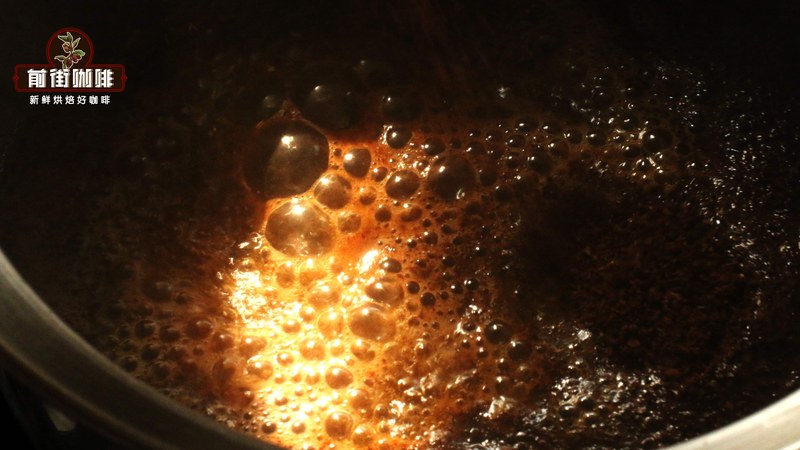
Equipment parameters also include coffee dose, heat level and yield. Fill the filter basket to its designed capacity and level it off; there is no need to tamp hard. Add water only below the safety valve, and keep the gasket clean and intact. During the extraction stage, it is not advisable to open the lid frequently to check; you can judge the state by sound and flow rate. If the coffee is too weak, check whether too little coffee was used or too much water was added early; if it is too bitter, lower the heat, coarsen the grind or reduce extraction of the final stage.
When choosing, you can match it like this: if you like fruit aroma and a bright feel, choose light roast, and prepare hot water in the pot with more careful heat control; if you want a balance of sweetness, body and forgiveness, medium roast is more suitable; if you often drink black coffee or milk coffee and prefer cocoa, nuts and roasted aromas, you can start with dark roast. Once the beans are decided, change only the grind or heat level several times in a row, and you will find the parameters that are most handy for this moka pot and best match your own taste.
Related Reading


Comments (0)
Loading comments...
You May Be Interested




Trending Reviews
Popular Videos

With you, wherever you are! We provide useful features to help you find new things you'll love






