Source:Best Coffee > News Author:qjroot Published:2024-11-07 18:40:01
According to Brazilian media reports, central-southern Brazil has been experiencing rainy weather, and the heavy rain has already caused considerable impact on parts of southern Brazil. The main affected areas are Mato Grosso in southern Brazil and the state of Sao Paulo in the central-southern region.
In the state of Mato Grosso, recent days have brought strong storms and weather that have submerged some cities, trapped cars, and pushed water levels on streets and avenues up to one meter high, with the heavy rain severely affecting traffic. According to local government statements, this heavy rain is the largest rainfall in recent times, with precipitation exceeding 100 mm in less than an hour. At present, the most serious problems are at the edges of some streams, where rivers have overflowed and affected nearby houses. The government is currently tallying the major damage caused by the storm.
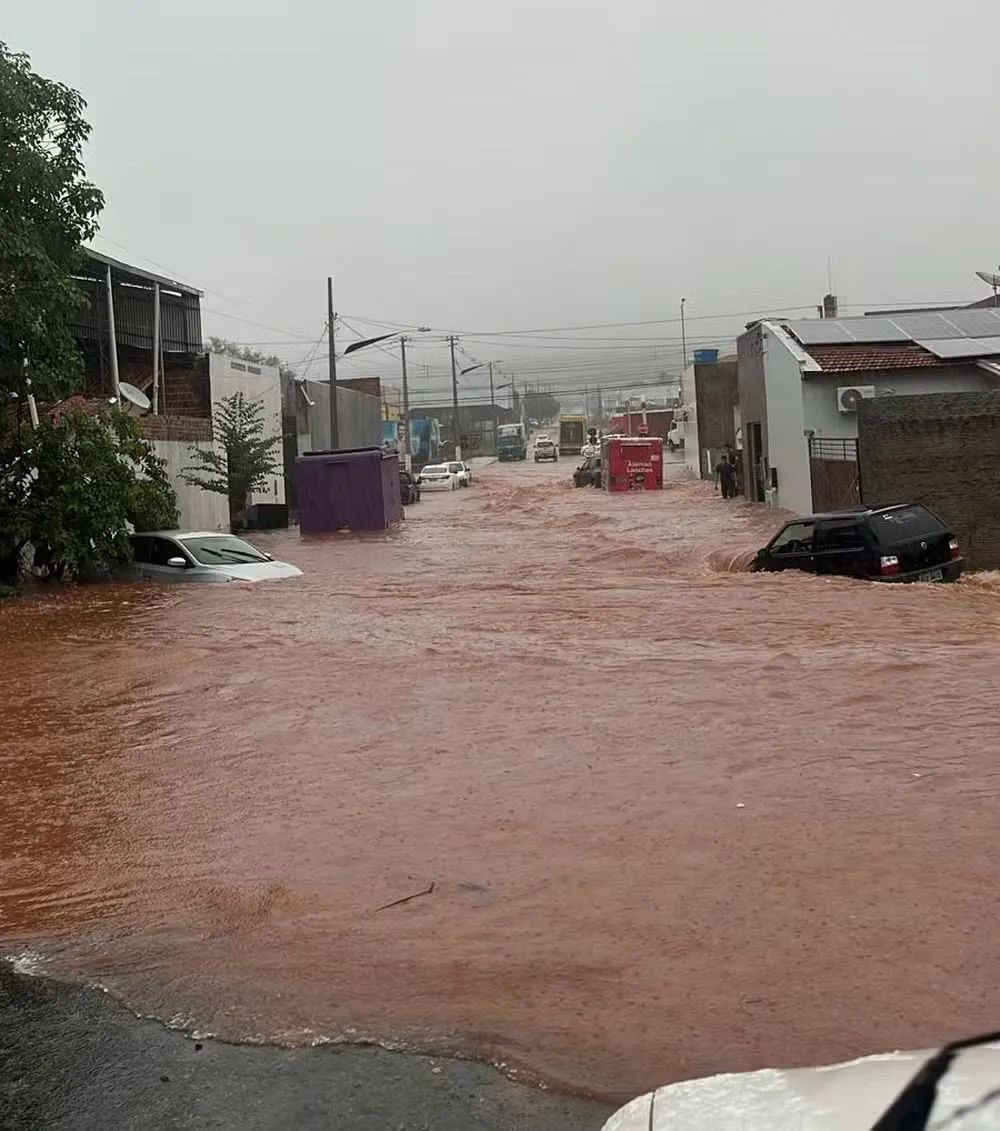
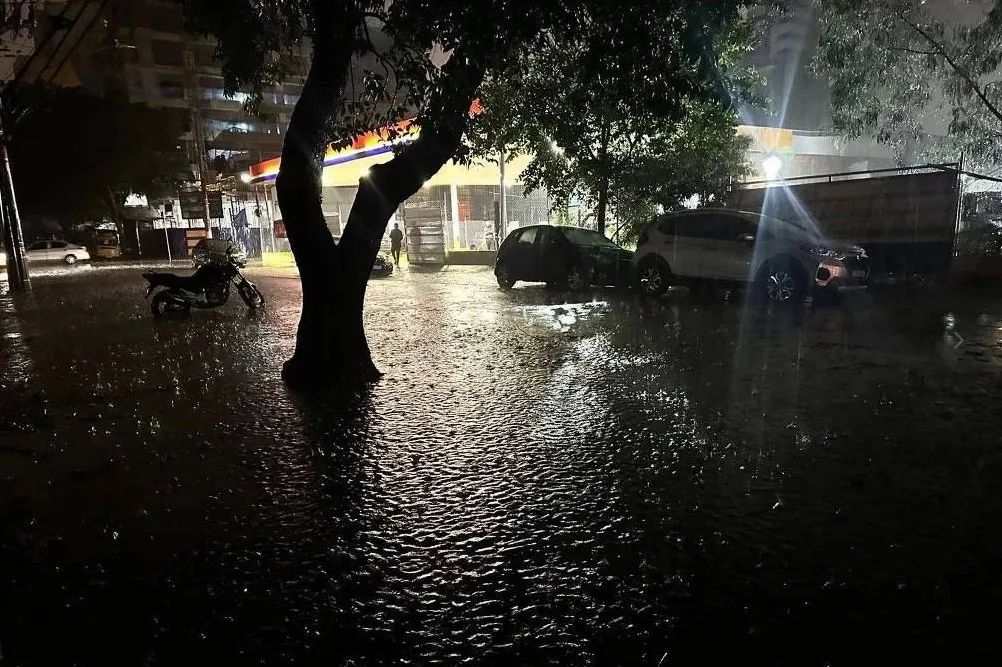
In the state of Sao Paulo, what began as scattered light and moderate rain later turned into torrential rain, and the impact of this downpour has been enormous, with the government currently on alert. According to the civil defense agency, firefighting units received 21 emergency calls about fallen trees; flooding also occurred in multiple areas, and the heavy rain once again damaged the power supply system in the state of Sao Paulo, leaving tens of thousands of households without electricity.
According to the meteorological department's report, because the southern region remains dominated by hot, humid air, rainfall will be frequent and heavy and will persist for some time, with expected rainfall of up to 50 mm and wind speeds of up to 40 km per hour. Brazil's disaster prevention agency warns that rainfall may be relatively heavy in certain periods and areas, and vigilance is needed against flooding and other extreme weather.
In Minas Gerais, the state next to Sao Paulo, the situation remains less than encouraging. According to local reports, Minas Gerais has also begun to see rainfall return, but the amount is far less than in Sao Paulo, with an average of 27.4 mm over the past week, only 64% of the historical average rainfall level.
Earlier, Brazil experienced its worst drought in nearly 70 years. In the main growing areas for coffee and other agricultural products, average temperatures were high and there was almost no rainfall; the worst-hit areas went 6 months without rain, and combined with dried-up rivers and reservoirs and falling water levels, this led to water shortages.
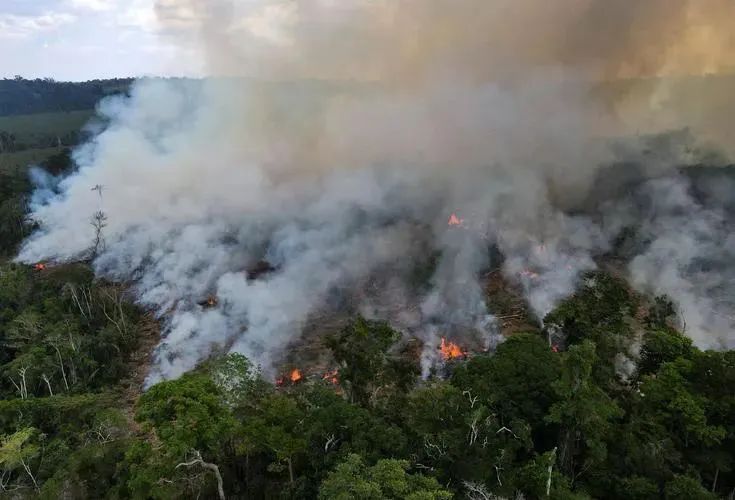
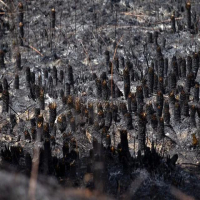
In addition, the hot, dry weather also triggered wildfires. According to data, about 22.38 million hectares of forest land in Brazil were burned by the fires, including coffee plantations. This ultimately led to a reduction in coffee production for the 2024/25 crop year and also damaged the planting conditions and production potential of the new 2025/26 crop season. As a result, many Brazilian coffee institutions are lowering their forecasts for the new crop season, with production expected to fall by more than 6.8%.
Originally, many producers believed that after Brazil experienced dry weather, conditions would improve once the rainy season arrived. However, the heavy rainfall did not help much, and excessive rain could even cause certain harm. It is understood that Brazil's Arabica coffee regions were originally supposed to begin flowering in late September, but due to prolonged drought, widespread flowering only appeared in October.
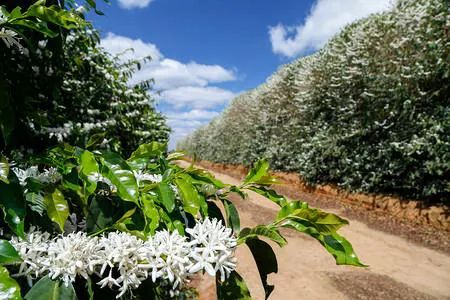
But according to the head of Cooxupe, Brazil's largest coffee cooperative, this was a concentrated flowering, and the bloom was heavy, but flowers are not coffee fruit, and how many coffee flowers convert into fruit is what matters. A better conclusion on the actual fruit set will only be available by mid-December.
And some institutions say that the current rainfall restores moisture to severely water-depleted soil and ensures that the root systems of the coffee trees are not under stress. Although it helps yields, it cannot make up for the damage that the earlier drought and fires did to some coffee trees. As the climate is still unstable, it is estimated that coffee production in the worst-affected areas will drop sharply by 20% to 30%.
To learn more news and information about coffee origins, please scan the QR code to follow: Kaping
Long-press the QR code to follow:

Related Reading





Comments (0)
Loading comments...
You May Be Interested



Trending Reviews
Popular Videos

With you, wherever you are! We provide useful features to help you find new things you'll love






