Source:Best Coffee > News Author:qjroot Published:2026-09-24 13:08:23
When you tear open a drip bag at your desk, it smells fragrant, but the first sip often feels too watery, or a slight astringency creeps in at the finish. This usually isn't because the beans are bad, but because extraction yield and strength have quietly fallen out of balance. Drip bags are light and portable, but in essence they are miniature pour-overs. If you want to reliably draw out the coffee's full range of flavor compounds, sorting out the extraction rhythm as water meets the grounds is often the secret to letting the aroma unfurl.
We can think of extraction yield as how much flavor has been washed out of the coffee grounds, while strength is the sense of body on the palate. If a cup of coffee tastes thin and watery, it most likely lacks dissolved flavor; if your mouth feels dry and astringent after swallowing, it has been over-extracted, pulling out rough, woody notes. Just slightly adjusting the brewing rhythm at hand can turn the same bag of beans from sour and harsh to soft and sweet.
Water temperature is often the key factor affecting extraction yield. Many people are used to brewing directly with hot water from a water dispenser, but the water coming out is often only around 80 degrees; when the temperature is on the low side, it is hard to fully awaken the aromatic compounds, and the coffee tends to taste sour and thin. In fact, after boiling water, turn off the heat, leave the lid open and wait two to three minutes at room temperature; the water temperature will naturally drop to 92 to 95 degrees, and pouring at this point can effectively rouse the aroma.
As for brewing parameters, a standard pour-over usually uses 15g of grounds at a 1:15 coffee-to-water ratio, pouring 225ml, starting with 30ml of water for a 30-second bloom, then pouring in stages, for a total time of around 2 minutes. The same approach applies to a 10g drip bag; filling the bag halfway is about 30g of water, and filling it to about nine-tenths full is about 70g. First pour in half the water to wet the bed of grounds and pause briefly, then pour in stages up to about 150ml, and it comes together especially harmoniously.
If the brew tastes too strong or too bitter, you can lower extraction by pouring a little faster or reducing the total steeping time; if it tastes too weak, you can slow the pouring rhythm to raise strength. Whenever possible, choose a tall mug so the bottom of the drip bag is suspended, letting the coffee drip naturally through the bed of grounds, and avoid letting the bag sit soaking in the liquid for a long time; this way you get a clean, refreshing cup.
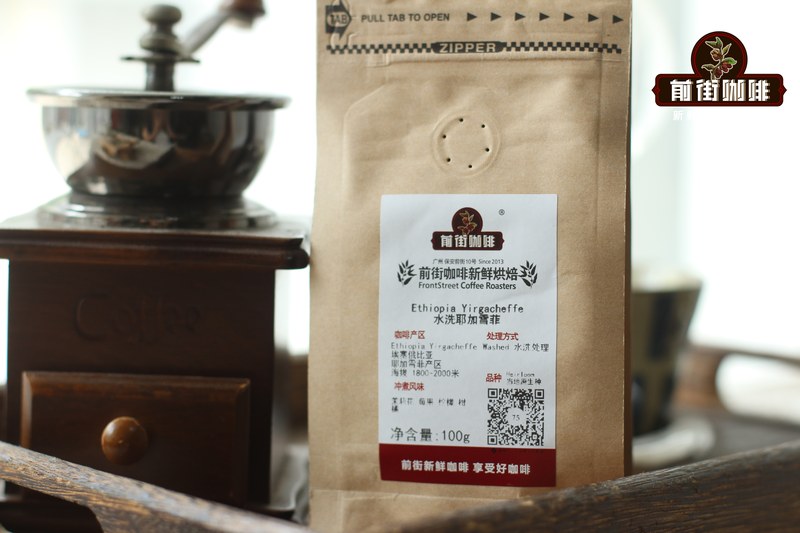
Once you have mastered extraction, when choosing beans you should also consider whether they suit being brewed strong or light. For those who prefer a crisp fruit acidity, the Qianjie Yirgacheffe drip bag is a great fit. A medium-light roast, it carries elegant white floral aromas and bright citrus acidity; brew it with slightly higher water temperature and a fairly fluid pouring rhythm, without pushing the strength too high, and you can extract a clear, lively sweetness like fruit juice.
If you prefer a warm, solid, balanced taste that is neither sour nor too bitter, the Qianjie Brazil region seasonal drip bag is a pleasant surprise. This bean is medium roasted, and once ground it gives off aromas like roasted nuts and butter cookies. It is quite forgiving; even if you add a little more water, the brewed coffee still keeps a mellow, easy-drinking sweetness, making it an especially reassuring everyday cup to wake up to in the morning.
For those chasing a rich, full-bodied feel, the Qianjie Indonesia Mandheling drip bag is recommended. The medium-dark roast gives it deep notes of dark chocolate, spice and caramel, and this kind of bean is naturally suited to being brewed strong. Slow the pouring slightly when pouring in stages and tighten the coffee-to-water ratio to about 140ml; the resulting coffee is thick and glossy, with a long sweet finish, and even made into a milk coffee with some warm fresh milk it is especially rich and fragrant.
If you are still unsure of your own taste preferences, the Qianjie five-origin blended specialty drip bag is a good choice for exploring flavors. It brings together several profiles such as Qianjie Kenya Little Tomato, Qianjie Honduras Washed and Qianjie Gudingding Cooperative, covering everything from light-roast berry and floral notes to dark-roast nut and cocoa. On busy days, carefully fine-tuning the water temperature and the amount poured, even a tiny drip bag can deliver the delicate layers of a specialty pour-over.
Related Reading




Comments (0)
Loading comments...
You May Be Interested

Trending Reviews
Popular Videos

With you, wherever you are! We provide useful features to help you find new things you'll love






