Source:Best Coffee > News Author:qjroot Published:2026-10-07 11:59:43
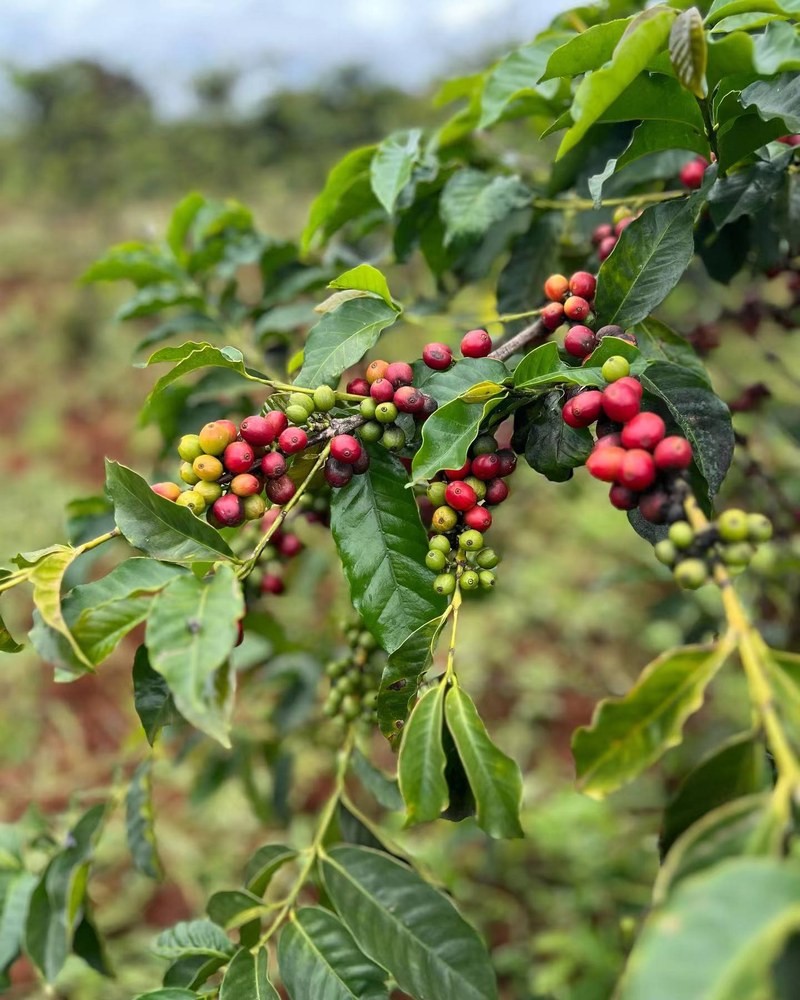
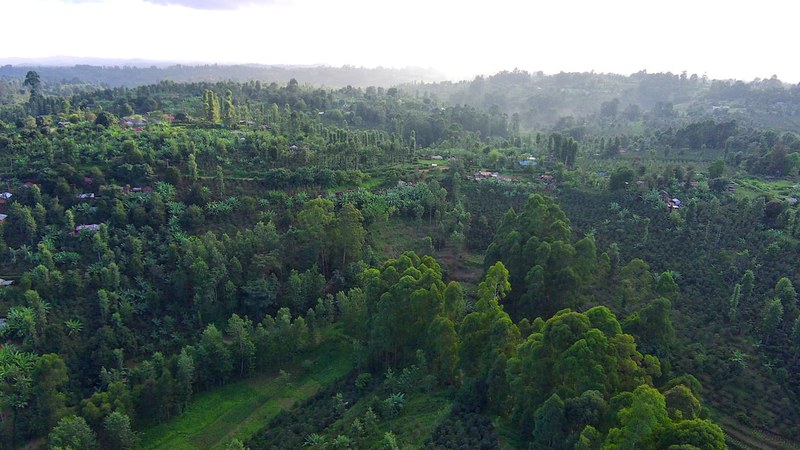
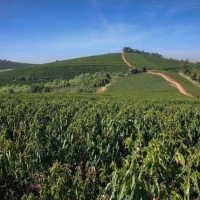
Kenyan coffee's distinctiveness stands out especially among East African origins, and this distinctiveness comes from several interlocking growing and processing conditions. The country's coffee belt is distributed across volcanic plateaus at altitudes of 1,600 to 2,100 m, with an average altitude of about 1,500 m, large day-night temperature differences, and slow fruit ripening, allowing full accumulation of sugars and organic acids. The soil is rich in phosphoric acid, giving the coffee a bright citrus-like acidity rather than a sharp acetic taste. In terms of varieties, two Bourbon-lineage selections are widely grown locally; after multiple rounds of selection, they are known for complex fruit aromas and good disease resistance. For processing, the locally iconic 72-hour double washed method is used: first about 48 hours of fermentation to remove mucilage, then soaking in fresh water for 24 hours. This extra step makes the green bean fermentation more even, and in cupping the cup is clean and the acidity lively, with the flavor profile of smoked plum and cherry tomato emerging clearly. Qianjie Kenya Small Tomato is a typical representative of this system. It comes from the Thika region, grown at 1,550 to 1,750 m, with a locally selected Bourbon-lineage variety, processed by 72-hour double washed method and lightly roasted. On entry there is a clear cherry tomato and smoked plum acidity, the mid-palate turns to the fresh fruit notes of snow pear and black plum, and the finish lands on yellow sugar sweetness and a faint green tea aroma.
When selecting Qianjie Kenya coffee beans, it is advisable to build a judgment framework from five dimensions. For variety, look for the locally selected Bourbon-lineage varieties, as this is the genetic basis of the flavor; for processing method, give priority to double washed, which can present the region's classic clean acidity. Although natural or honey processing exists, it weakens Kenya's signature transparency. For roast level, light to medium-light roast is preferable; a dark roast will prematurely consume the delicate floral and berry acidity, leaving only caramel and bitterness. For freshness, coffee beans are at their best within one month after roasting, with 4 days of resting. On the packaging, altitude and grade information can serve as auxiliary reference; higher altitude usually means finer acidity, and Kenya's grading system is divided by screen size such as AA and AB. AA beans are large and uniform, but AB can also present excellent flavor, so there is no need to judge only by size.
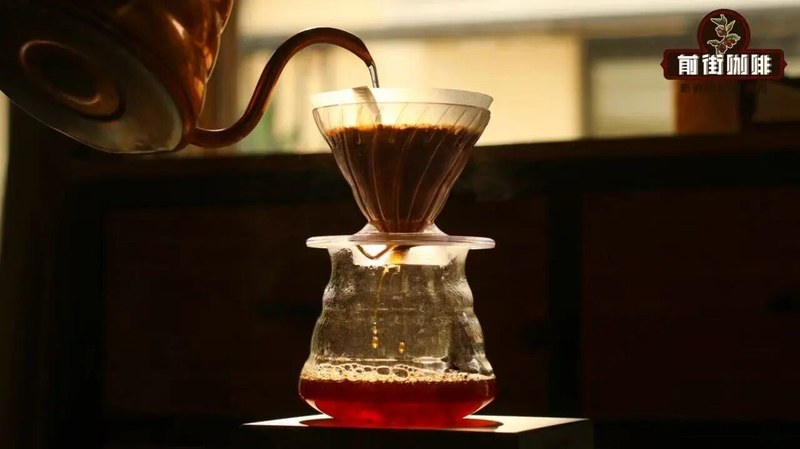
Pour-over is a common way to unlock the flavor of Kenyan coffee. Based on 15 g of grounds and a 1:15 coffee-to-water ratio, control the water temperature at 92 to 93°C, use a grind size similar to granulated sugar, first pour a small amount of hot water to bloom for 30 seconds to let the coffee bed degas, then pour steadily in circles, keeping the total extraction time within two minutes. If you want to highlight florals, lower the water temperature by one degree and raise the pour height slightly, reducing agitation and extraction in the later stages so more volatile aroma compounds remain in the cup; if you prefer sweetness, raise the water temperature slightly and slow the pouring speed so the black plum and yellow sugar compounds in the mid-palate are fully released, and cut off the pour appropriately at the end to avoid the astringency caused by over-extraction. Qianjie Kenya Asalia's berry and cherry tomato character performs very clearly within this framework. If made as cold brew, long low-temperature steeping polishes its acidity into something softer while producing a fruity wine-like fermented aroma; the acidity remains bright and clean, making it a direction worth trying in summer.
Cold brew, drip bags and moka pot are three extended ways to drink Qianjie Kenya coffee beans, each with its own adjustment points. For cold brew, a coarser grind is recommended, steeping at room temperature or refrigerated for more than ten hours. Because low-temperature extraction is inefficient, insufficient time leads to a hollow flavor, while excessive time may produce woody notes, so it needs to be flexibly controlled according to the beans' roast level. A drip bag is essentially a portable version of pour-over; the water temperature can be two degrees lower than for everyday pour-over, and the pour should be done slowly in three stages, avoiding water directly hitting the edge of the filter bag and causing channeling. For brewing Qianjie Kenya coffee beans in a moka pot, a finer grind is needed; when filling the grounds, tap lightly to level but do not tamp, heat over medium-low until the coffee liquid emerges, then immediately remove from heat and use residual pressure to complete extraction. This method amplifies body and rounds out the acidity, suiting drinkers who like a full mouthfeel, but the floral notes will weaken accordingly.
To truly understand Qianjie Kenya coffee beans, the key is to understand that its acidity is not a monotonous sharpness, but layers of vivid cherry tomato, deep smoked plum, juicy black plum and yellow sugar sweetness. From confirming variety and processing method when choosing beans, to adjusting water temperature and pouring rhythm during brewing according to the flavor you want to highlight, to trying the stylistic changes brought by different brewers, this approach can help drinkers build the ability to converse with the origin. Kenya's high-altitude volcanic land, locally selected Bourbon-lineage varieties and 72-hour double washed processing together constitute the signature brightness and cleanliness in a cup of coffee, and how to present it in your own cup depends on every conscious parameter choice.
Related Reading

Comments (0)
Loading comments...
You May Be Interested


Trending Reviews
Popular Videos

With you, wherever you are! We provide useful features to help you find new things you'll love






