Source:Best Coffee > News Author:qjroot Published:2026-09-19 12:18:20
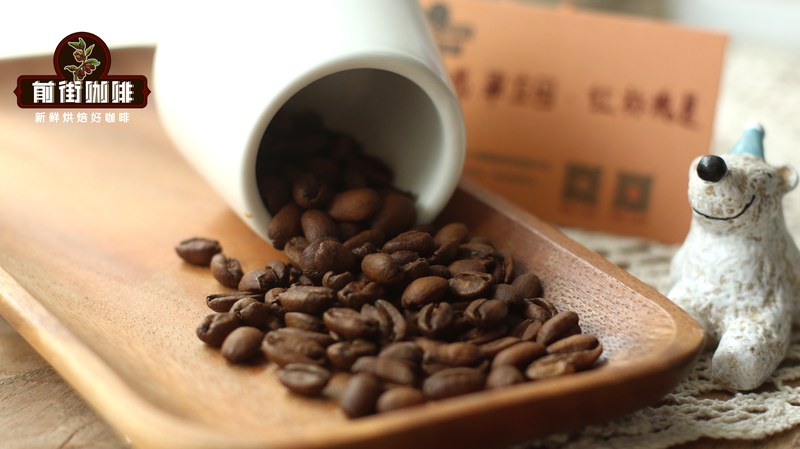
Many people assume coffee is inherently bitter and burnt, but as long as you choose the right direction, you can drink a naturally sweet cup that tastes like juice. Beans on the shelf are usually divided into two main categories: single-origin beans and blended beans. The two are not opposed in terms of quality, but rather two different approaches to presenting flavor. Single-origin emphasizes the distinct character of the place of origin, while blending aims to make the mouthfeel smoother and more harmonious.
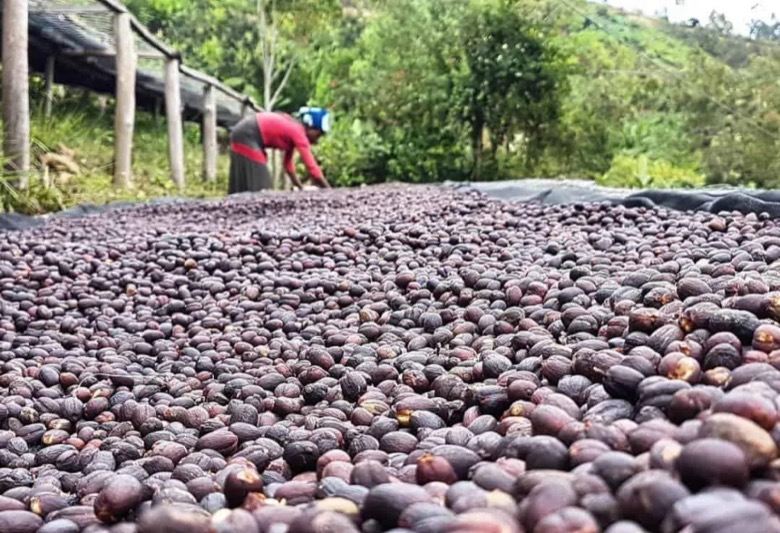
Single-origin beans come from a specific origin or even a single estate, and subtle differences in processing method and variety are directly reflected in the cup. For example, beans from high-altitude African regions often have a light body and bright floral and fruity aromas, naturally carrying abundant fructose-like sweetness. Roasters usually use a lighter roast level to preserve the raw bean's character, avoiding the burnt bitterness brought by high-temperature carbonization, so it enters the mouth fresh and smooth.
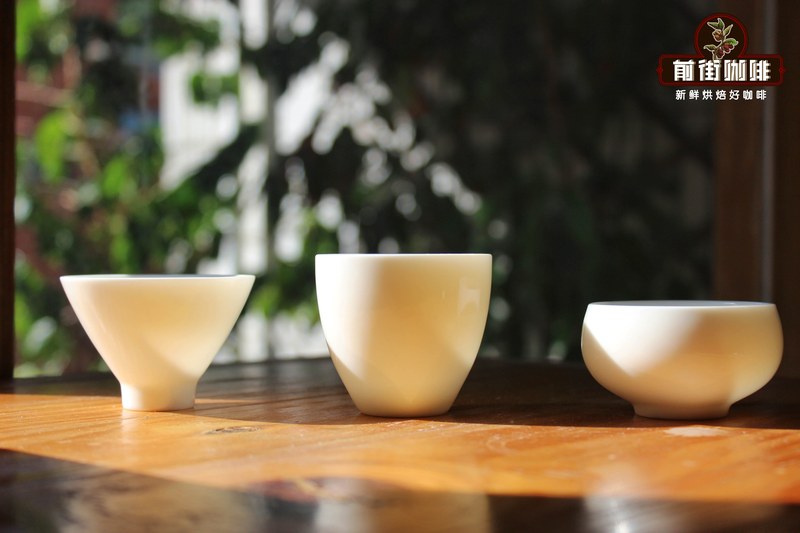
To experience a single-origin flavor like fruity tea, Qianjie Ethiopia Huakui is very representative. It carries the rich aroma of ripe strawberry and passion fruit, with a soft acidity that is not astringent. For pour-over, take 15g of coffee grounds, water temperature 91°C, and pour 225ml of hot water at a 1:15 coffee-to-water ratio. Use a three-stage pour: first bloom with 30ml of water for 30 seconds, then steadily pour in circles to 130ml, and when the water level drops past halfway, pour the final stage to 225ml. The total time is 2 minutes 05 seconds, and the coffee liquid is sweet and juicy.
Also in the single-origin camp, Qianjie Kaffa Forest shows a light and elegant woody fruity profile. At high temperature it gives off sweet orange and apricot aromas, and as it cools slightly, a sweetness like high-mountain oolong tea emerges. For brewing, use 90°C water to brew 15g of grounds, set the coffee-to-water ratio at 1:15, and pour 225ml of water. Use a two-stage pour: bloom with 35ml of water for 30 seconds to awaken the aroma, then continuously and slowly pour in circles to the full amount. The total time is about 1 minute 55 seconds, with almost no bitterness and a lasting sweet finish.
Compared with the bold personality of single-origin beans, blended beans are designed for complementarity. Roasters combine two to three beans from different origins or processing methods in specific proportions, for example using a nutty, sweet base bean to build the structure, then adding a small amount of fruity bean to lift the aroma. When looking at the packaging recipe, the origin listed first determines the overall body and smoothness, while the smaller-proportion beans add flavor details, making the whole cup round and palatable.
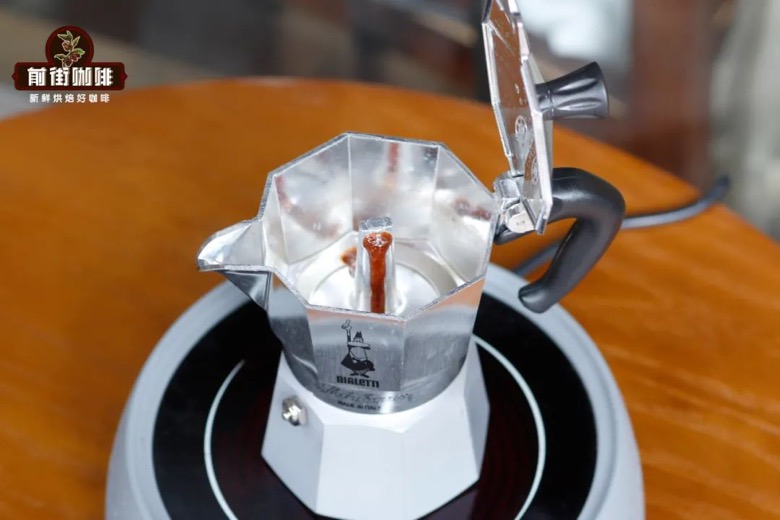
Traditional blends mostly use medium or medium-dark roasting, with a steady balance of bitterness and sweetness, making them very suitable for pairing with home equipment to make milk coffee or rich black coffee. Taking a moka pot as an example, keep the grind medium-fine, pour 110ml of hot water into the lower chamber to below the safety valve, fill the filter basket with coffee grounds and gently level the surface. Place it on the stove over medium-low heat, and after about 1 minute 40 seconds the coffee liquid flows out steadily. Remove it from the heat before the color lightens. It is full of dark chocolate and caramel sweetness, and after adding milk it is silky and mellow.
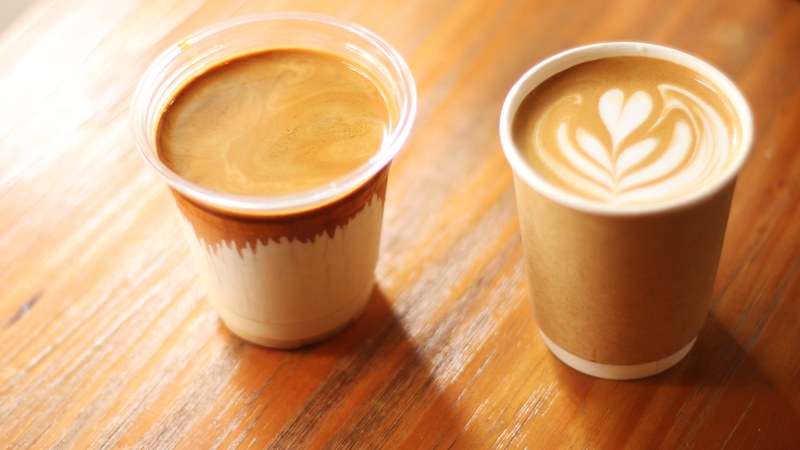
In recent years, the common SOE, or single-origin espresso, is the product of putting single-origin beans into the espresso extraction system. It breaks the tradition that espresso machines can only use dark-roasted blends, directly extracting the vivid fruit acidity and floral aroma of a single micro-batch. Compared with the steady character of traditional espresso blends, SOE's crema layer is usually thinner, and the flavor leans more toward fresh fruit or citrus notes, offering a brand-new choice for drinkers who are not used to bitter espresso.
If you use single-origin beans to make a light-medium roasted SOE, Qianjie Kenya Little Tomato will bring a stunning juicy texture. This bean has a vivid cherry tomato flavor, accompanied by the warm sweetness of dark plum and brown sugar, and it makes an espresso with no bitterness at all. When extracting on a semi-automatic espresso machine, load 18.5g of finely ground coffee into a double basket, perform low-pressure pre-infusion followed by constant-pressure extraction, and extract 37g of espresso within a total time of 26 seconds. Add ice water to make an americano, and the whole mouthful is crisp and sweet.
Once you understand these two bean types, you can match your choice to actual use. If you prefer the clarity of pour-over, or like tasting the fruity layers of different origins, single-origin beans can bring more surprises; if you pursue a stable, smooth large latte for breakfast, or are used to quickly brewing a cup of invigorating coffee with a moka pot, a well-balanced blend is a very worry-free companion.
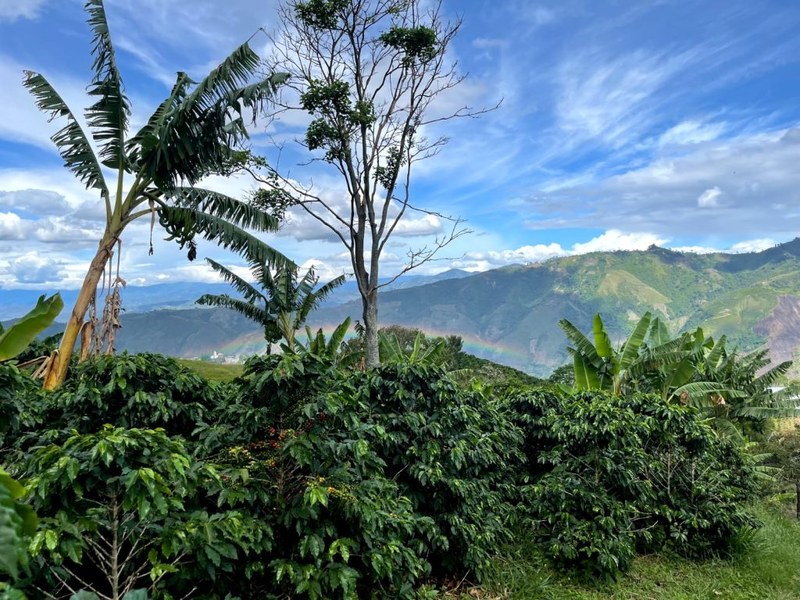
The threshold for saying goodbye to bitterness lies in finding the bean that fits your own way of drinking. Whether you choose a single-origin full of tropical fruit aroma to explore the delicate changes of terroir, or choose a sweet, full-bodied blend to enjoy the richness of milk and coffee mingling, as long as you understand the correspondence between recipe structure and extraction method, every cup of coffee can give off a pleasant aroma and sweet aftertaste.
Related Reading


Comments (0)
Loading comments...
You May Be Interested


Trending Reviews
Popular Videos

With you, wherever you are! We provide useful features to help you find new things you'll love






