Source:Best Coffee > News Author:qjroot Published:2024-07-14 18:37:31
Recently, the Yemeni Houthi armed group launched armed attacks once again, carrying out 3 attacks in a single day, further escalating tensions in the Red Sea region.
According to the latest reports, the Yemeni Houthi armed group said on July 12 that the organization had attacked the "Chrysalis" vessel twice using missiles and drones in the Red Sea and the Bab-el-Mandeb Strait, which is an oil tanker flying the flag of Libya.In addition, on July 9 local time, a spokesperson for the Yemeni Houthi armed group issued a statement saying that on that day they had attacked the vessels "Maersk Sentosa" and "Marthopolis" in the Arabian Sea, as well as the vessel "MSC Patnaree" in the Gulf of Aden.

It is understood that the "Maersk Sentosa" belongs to Maersk, the world's largest container shipping company, while the "MSC Patnaree" is a vessel under another shipping and logistics giant, MSC.
According to Maersk's confirmation to the media, the captain of its "Maersk Sentosa" reported that during the voyage, an explosion occurred near the vessel. However, the vessel was only slightly damaged and is currently continuing its voyage. In addition, MSC stated that several of its vessels had been attacked because they were considered by the Houthi armed group to be "Israeli vessels"; at the time of the incident, the vessel was sailing from the port of Berbera in Somalia to the port of Colombo in Sri Lanka.
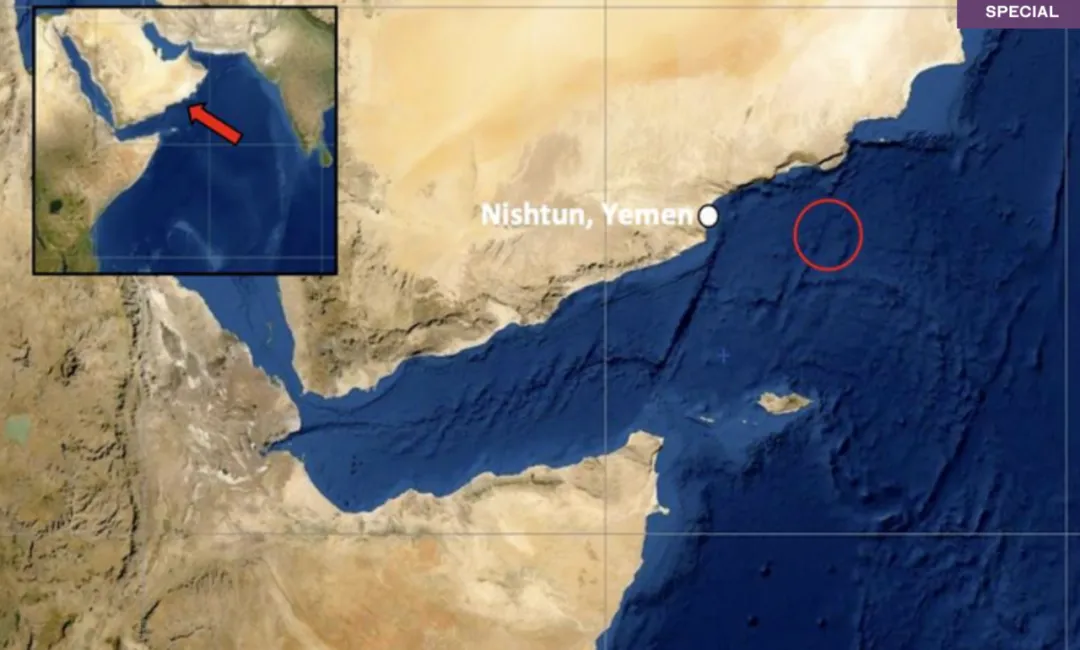
Due to the ongoing crisis in the Red Sea, there have been at least 15 missile attacks by Houthi forces on foreign vessels, many large ships have suffered minor and moderate damage, with sailors killed and smaller vessels sunk.
This situation has severely affected the Port of Djibouti, which is the only port for all Ethiopian goods exports, and the port is mainly dominated by MSC, which currently accounts for 80% of the port's transport capacity. However, MSC recently announced that it will completely suspend its Port of Djibouti services.
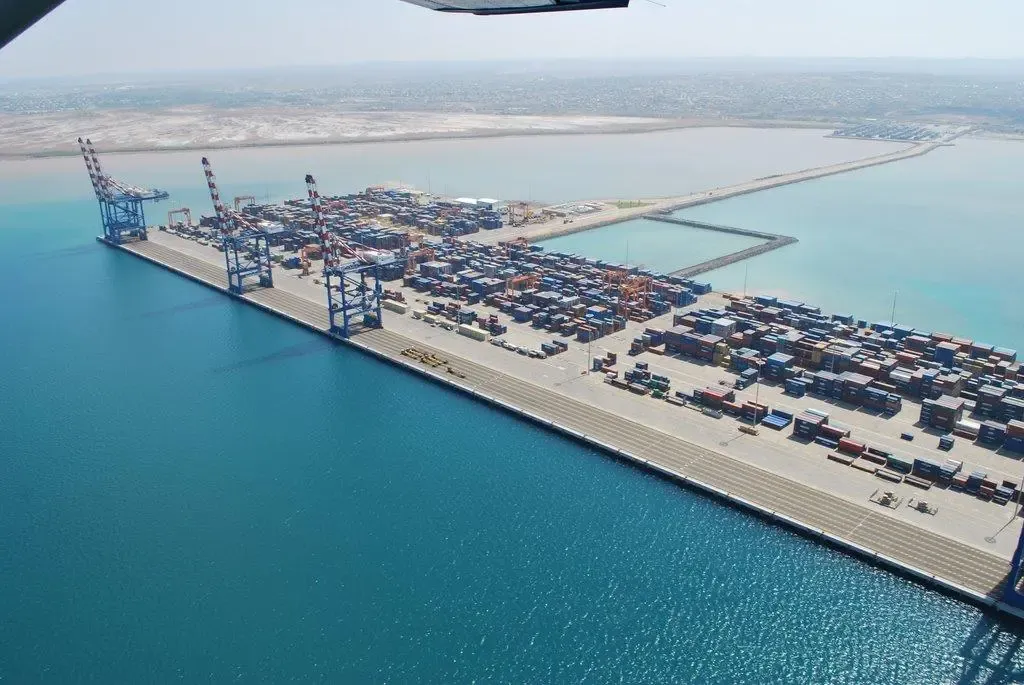
MSC's suspension of its Port of Djibouti route will deal a severe blow to Ethiopian goods exports, especially the country's coffee exports, as coffee accounts for Ethiopia's exports. As a result, an international coffee trader reported that customers have booked coffee shipments, but there is currently no specific shipping date, and even if the company can pay more expensive freight, the arrival time cannot be guaranteed.
According to statistics, the attacks by Yemen's Houthi forces on merchant ships in the Red Sea and the Gulf of Aden in June were the most since 2024. This is the latest attack since early July, and this incident occurred outside the Houthis' traditional threat zone.

Earlier, Ethiopia's coffee exports ran into quite a few problems, the main one being the impact of the Red Sea crisis, which left shipping companies with no choice but to reroute around the Horn of Africa. With fewer vessels calling at the port of Djibouti, coffee cargo piled up at the port.
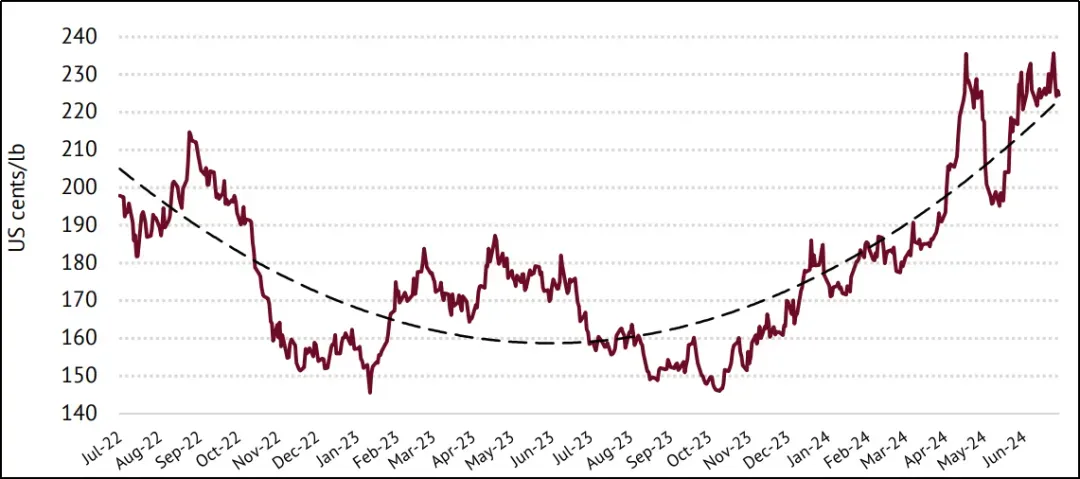
Judging from the current situation, the Houthis have expanded the scope of their attacks and the threat has escalated, which could once again push up shipping prices and increase shipping times. Moreover, for coffee, which depends on shipping trade, higher shipping prices also indirectly drive up coffee trading prices.
Related Reading








Comments (0)
Loading comments...
You May Be Interested





Trending Reviews
Popular Videos

With you, wherever you are! We provide useful features to help you find new things you'll love






