Source:Best Coffee > News Author:qjroot Published:2026-09-16 02:17:36
The charm of a light-roasted floral bean often shows itself before the first sip: the cup may offer white flowers and citrus, or it may turn toward berries, fruit jam and a tea-like character. It is not that the more aggressive the parameters, the more aromatic it becomes; rather, grind, temperature, water volume and extraction pace must work together with the bean's density and processing style, so the floral notes are not buried by sourness or a drying sensation.
Take Qianjie Kenya Small Tomato as an example; this bean's acidity has a bright, fresh-fruit quality, with a finish of dark plum and syrup-like sweetness. For pour-over, use a medium-fine grind, water at 91°C, 15g of coffee to 225ml of water, poured in three stages: first pour 45ml and bloom for 30 seconds, then pour 90ml and 90ml, keeping the total time at about 2 minutes 05 seconds. This preserves the juicy quality and gives a cleaner finish.
If the same cup of Kenya Small Tomato tastes only sharply sour, it is usually not a lack of floral aroma but insufficient extraction development. You can grind slightly finer, still using 15g of coffee, 225ml of water and 91°C water, and pour in two stages: after a 30-second bloom, pour all the way to 225ml in one go, extending the total time to 2 minutes 15 seconds. This increases sweetness, but do not keep stirring the coffee bed, or the finish may turn astringent.
Qianjie Kafa Forest's flavors are better suited to a gentler development. Its citrus character is clear, and a ripe stone-fruit sweetness becomes more prominent as the cup cools. For pour-over, use a medium-fine to slightly coarse grind, water at 90°C, 15g of coffee and 225ml of water, poured in three stages: after a 30-second bloom, pour 75ml, 75ml and 30ml respectively, with a total time of about 1 minute 55 seconds. The lighter extraction pace leaves a clear, bright tea-like quality.
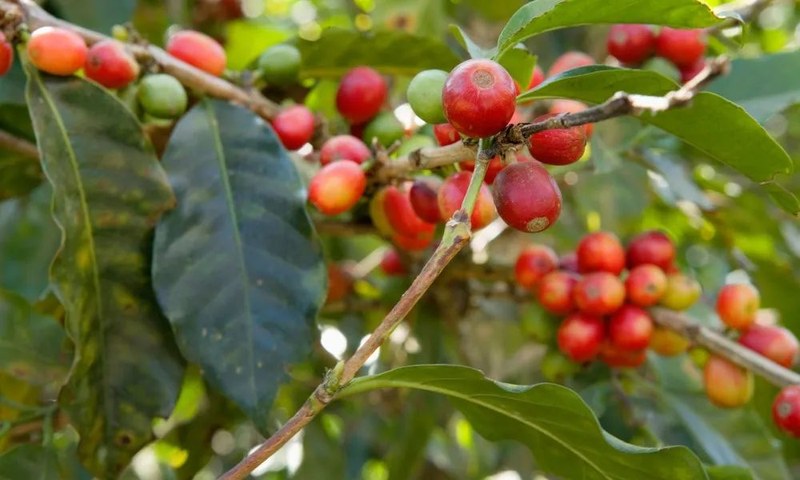
If Kafa Forest seems hollow and thin as the temperature drops, raise the water temperature to 92°C, keep 15g of coffee and 225ml of water, and pour in two stages: after a 30-second bloom, pour 110ml, then 70ml, extending the total time to 2 minutes 10 seconds. There is no need to grind finer at the same time; first observe whether sweetness increases. If the aroma turns flat and dull, then slow down the second pour to reopen the floral and fruity notes.
Qianjie Grana Estate Gesha has a stronger natural-process character, with orange blossom, apricot and berry-jam notes tending to appear together, making it suitable for breaking down the layers with pour-over. A medium-fine grind is recommended, with water at 89°C, 15g of coffee and 225ml of water, poured in three stages: after a 30-second bloom, pour 60ml, 80ml and 85ml in sequence, with a total time of 2 minutes 10 seconds. The slightly lower temperature rounds out the ripe-fruit sweetness so it does not become merely a fermented note.
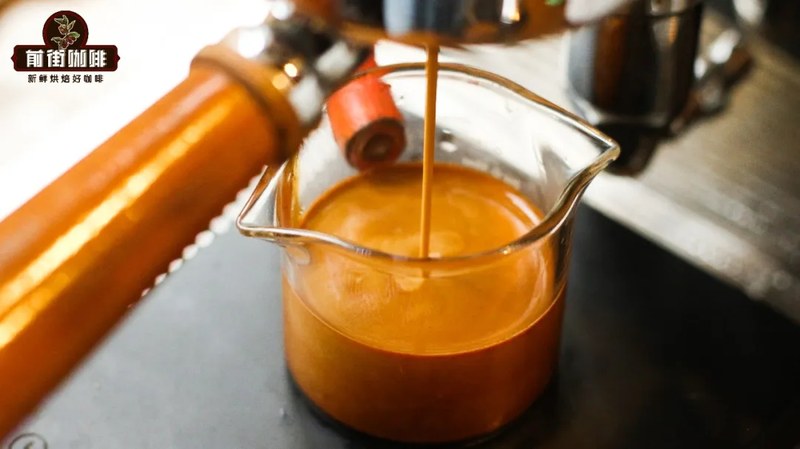
When making espresso, light-roasted floral beans require more attention to the pressure curve and grind uniformity than pour-over does. Take Kenya Small Tomato as an example: use a medium-fine grind, water at 92°C, 18g of coffee extracted to 36g of liquid, with a 5-second low-pressure pre-infusion followed by extraction at a constant 9 bar, for a total time of 26 seconds. The resulting liquid is good to drink straight, or you can add hot water to make an americano, which lets the fruit acidity open up.
When Grana Estate Gesha is used for espresso, you can set the grind to medium-fine, slightly finer, with water at 91°C, using 19g of coffee extracted to 38g of liquid, a 6-second low-pressure pre-infusion, then extraction at a constant 8.5 to 9 bar, for a total time of 28 seconds. This increases the jam-like concentration while preserving the orange blossom aroma. If the entry is too sharp, grind slightly finer; if the finish turns dry, shorten it to about 25 seconds.

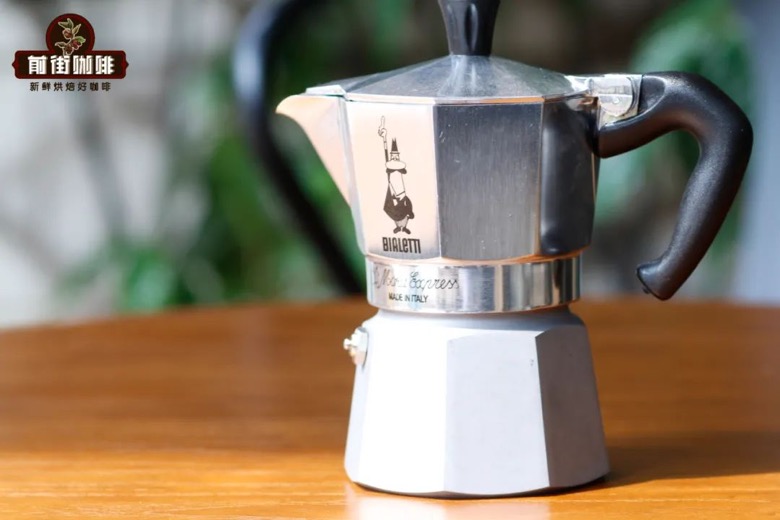
A moka pot is better suited to beans with sweetness and a tea-like quality amid the floral notes, such as Kafa Forest. Use a medium grind, fill the filter basket with 15g of coffee and level it gently, add 120ml of 92°C hot water to the lower chamber, and heat over medium-low heat for 1 minute 40 seconds. When the liquid flows continuously and the color begins to lighten, remove it from the heat immediately, then pour the coffee into a cup; this reduces burnt bitterness and keeps the citrus and stone-fruit notes clear.
To judge whether the parameters are right, focus on how the flavors change: if it is sour like unripe fruit, the extraction most likely needs to be more complete; if the aroma is there but the mouth feels dry, it means over-contact or too much agitation. For pour-over retesting, you can use 15g of coffee, 225ml of water and 90°C water, bloom for 30 seconds, then pour in two stages with a total time of about 2 minutes, changing only the grind size first so the cup is easier to compare.
Light-roasted floral beans are not limited to one way of drinking; the key is to connect the bean's character with the way the equipment expresses it. Brighter fruit notes suit a lower pour-over water temperature, while intense natural-process beans require control of the extraction speed, and espresso and moka pot also call for attention to concentration and heat. Once you find a stable set of parameters, fine-tune around acidity, sweetness, aroma and aftertaste, and the floral notes will turn from a label into layers you can actually taste.
Related Reading




Comments (0)
Loading comments...
You May Be Interested



Trending Reviews
Popular Videos

With you, wherever you are! We provide useful features to help you find new things you'll love






