Source:Best Coffee > News Author:qjroot Published:2026-08-15 10:47:04

When making espresso, the beans set the floor. Whether the espresso tastes good, whether latte art pours smoothly, whether the milk and coffee merge well - to a large extent it all depends on the espresso bean you choose. This article skips the mystique and explains espresso bean selection in one go, from three dimensions: crema, blend recipe and use case.
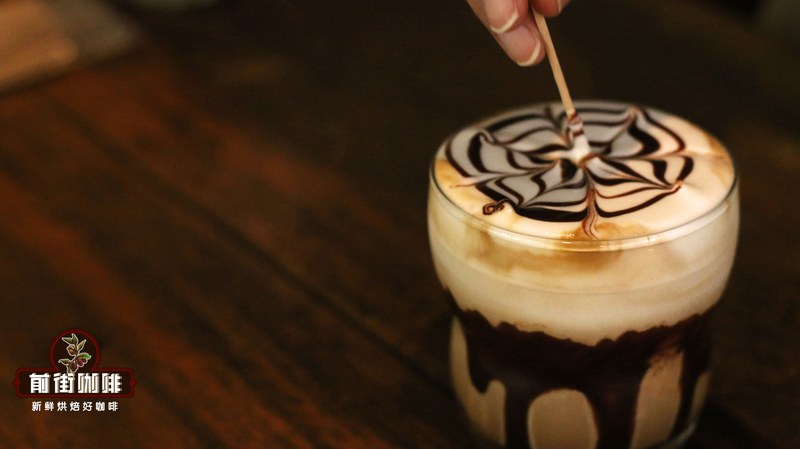
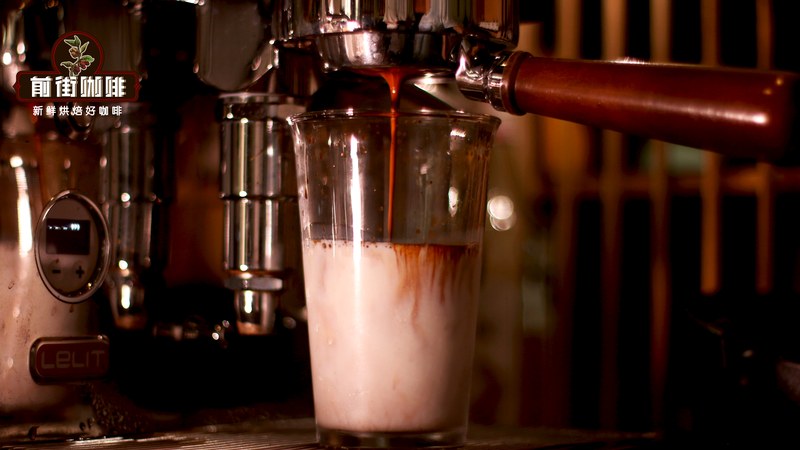
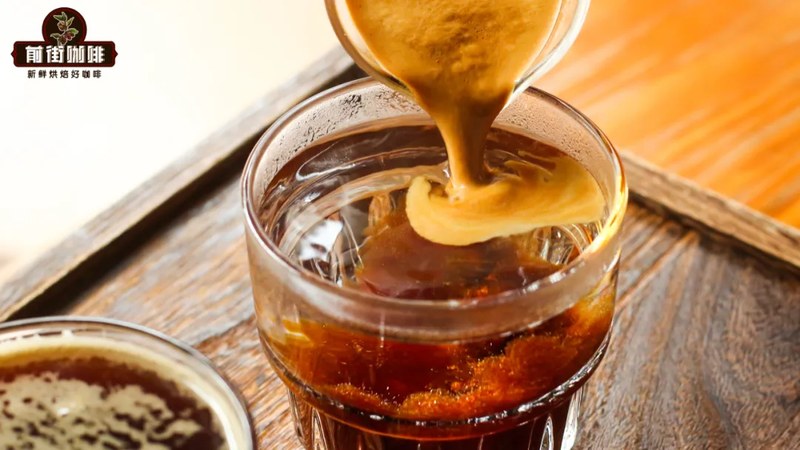
That golden layer of crema on the surface of an espresso is not just for looks - it directly affects mouthfeel and latte art. An espresso with rich crema is smoother and creamier on the palate, and blends more stably with milk, making latte art patterns easier to form. How much crema you get is related to the bean's roast level, freshness and blend recipe - which is why many espresso blends are specifically optimized for crema performance.
The color of the crema also conveys information. Crema that leans dark brown usually means a darker roast, with more pronounced bitterness and body; crema that leans golden yellow means a relatively lighter roast, with more obvious acidity and sweetness. If you see crema that is very light or even whitish, it may be that the beans are too fresh (too much carbon dioxide causes large but short-lived crema bubbles), or that the extraction parameters are off. With proper resting and stable parameters, the crema should be deep golden, dense and glossy.
Espresso is produced in large volumes year-round, so the requirements for the beans are "stable, balanced, high fault tolerance". Blended beans are made from several beans blended in proportions, with complementary flavors and consistent batches, so the output stays on standard under different weather and different machines - which is why they are the mainstream choice for cafes and home espresso.
This blend is designed specifically for espresso making and moka pots, and its standout feature is excellent crema performance - even a beginner using a non-professional home coffee machine can easily extract dense, fine crema. The lattes, cappuccinos and Dirty coffees you drink day to day all depend on good crema, and this classic blend fits that need very well. It uses the traditional Mamba blend recipe, with a rich, mellow and gentle taste that both veteran coffee drinkers and newcomers can easily accept. Whether for home or commercial use, it is a reliable choice.
Not everyone is after abundant crema. For beginners, or shop owners who want to control costs, "good taste, solid price" is the key, and this Qianjie Black Cocoa Blend meets exactly that need. It uses 100% Arabica beans, with ample crema and a rich mouthfeel, and the price is very affordable, balancing quality and value. Friends opening a shop can choose it to save both worry and money.
This is an espresso blend that Qianjie cafes have used for a long time - nearly ten years - and it has consistently handled the making of core drinks such as Americanos and espresso lattes. It pairs Brazil Cerrado and Colombia Huila coffee beans, with a very classic flavor - the familiar espresso taste you remember. It is suitable for both home and commercial use.
Before the Black Cocoa Blend came to market, this Commercial Blend was always the "main force" among beans for opening a shop. Its price is lower than the Specialty Blend, and although its recipe does not pursue abundant crema, it has still been optimized for the purpose - ensuring taste while controlling cost. That is why it has long been a popular choice for shop bean selection, adapting to various commercial scenarios.
This is a popular fruity espresso blend. It relies on the native flavors of Arabica coffee beans from different regions blending with one another to recreate a distinct strawberry gummy candy sweetness. Drinkers who prefer fruity coffee and fear coffee's bitterness, or shops that want to offer a distinctive, differentiated milk coffee, can all choose it. One bag covers multiple ways of drinking, making it a highly versatile everyday staple bean.
Resting: freshly roasted espresso beans are best rested for 7-10 days, so both flavor and crema become more stable.
Grinding: espresso machine grinding is generally on the fine side. Use extracting about 36g of espresso in 20-30 seconds as the baseline, then fine-tune.
Dose: commonly around 18g. Only a stable dose gives stable output.
Test shot: pull a test shot first thing every day, and fine-tune according to the beans' condition - do not just copy parameters.
There is also a little trick for judging whether extraction is normal: watch how the color of the espresso changes during extraction. Normal extraction starts dark brown, gradually turns deep golden in the middle stage, and lightens in the final stage. If the color is very dark from start to finish, the grind may be too fine or the tamp too hard, easily leading to over-extraction and bitterness; if the color is very light right from the start, the grind may be too coarse or the dose insufficient, easily leading to under-extraction and sourness. Learning to "read the color" to judge extraction is more intuitive than relying purely on weighing and timing.
Choosing espresso beans is essentially "define the use case first, then choose the beans": beginners and home users who prioritize crema and fault tolerance should choose the Classic Blend; those opening a shop and controlling costs should choose Black Cocoa or Commercial Blend; those wanting classic, stable output should choose the Specialty Blend; and those wanting a differentiated signature will find Strawberry Candy brings plenty of surprises. Build this bean foundation well, and whether it is a home semi-automatic machine or a commercial espresso machine in a shop, the output will be a big step more consistent.
Related Reading

Comments (0)
Loading comments...
You May Be Interested


Trending Reviews
Popular Videos

With you, wherever you are! We provide useful features to help you find new things you'll love






