Source:Best Coffee > News Author:qjroot Published:2026-09-07 13:37:12
Yirgacheffe SOE is usually not a heavy-bodied coffee; floral notes, citrus acidity and a tea-like quality are more likely to take center stage. It is suited to bringing out the aroma with clear parameters, but the same beans have different goals when brewed as pour-over versus espresso: pour-over pursues layers and aftertaste, while espresso needs to concentrate the sweet-tart notes into a small cup of dense coffee liquid.
When buying beans, first look at the flavor description for clues such as jasmine, orange blossom, citrus, berries or black tea, then note the roast direction and suggested use. Lighter-roasted Yirgacheffe is better suited to pour-over; if you want to use an espresso machine, choose a slightly darker-roasted version with more obvious sweetness, which makes it easier to get a full-bodied texture during extraction.
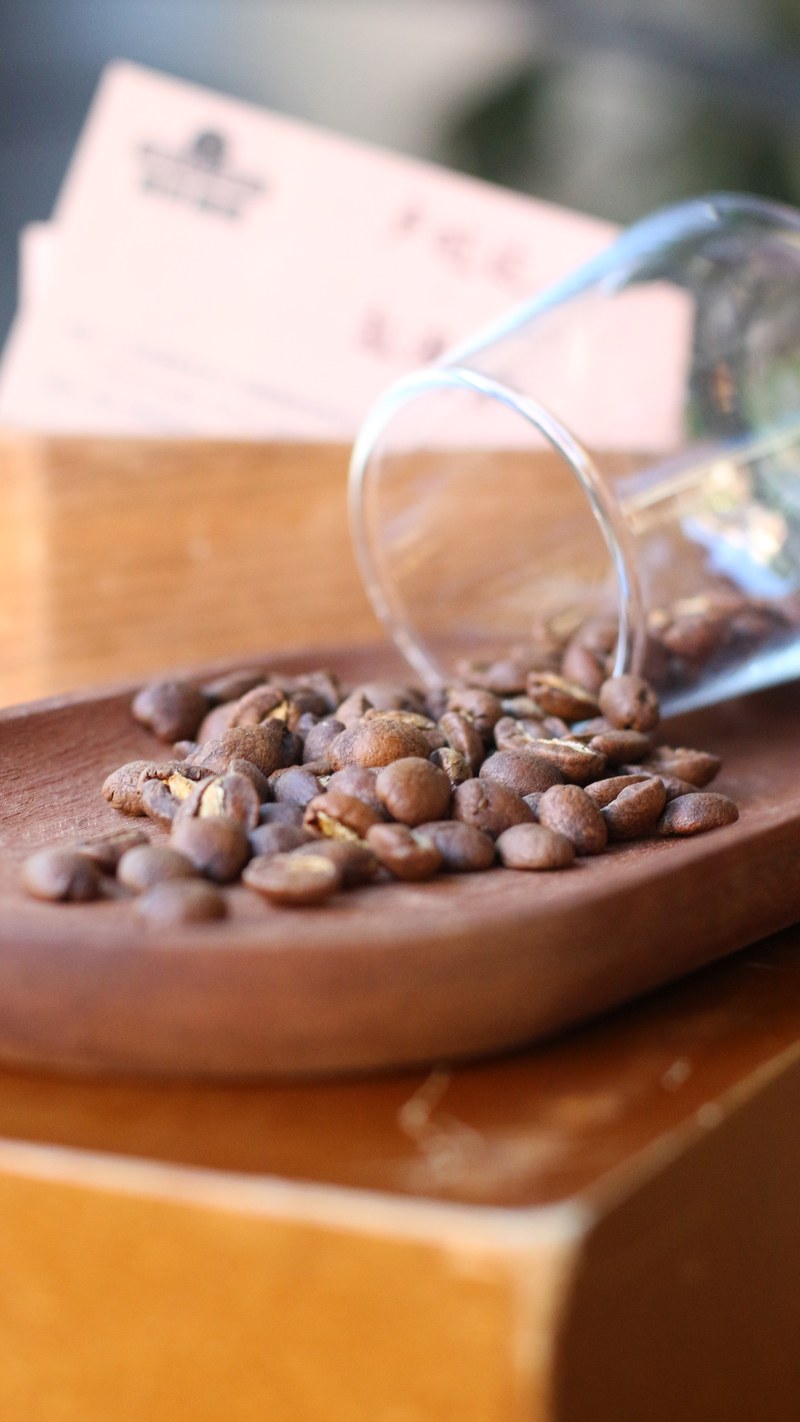
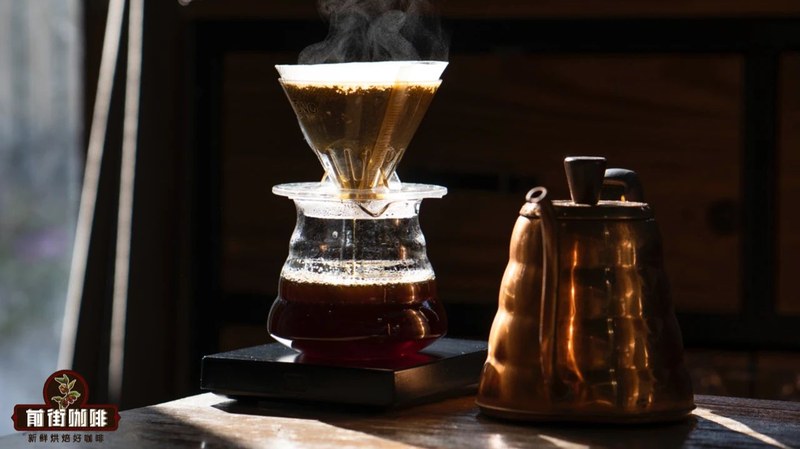
For pour-over, you can start with 15 g of grounds and 240 g of water, a ratio of about 1:16, with the water temperature set at 91 to 93°C. Start with a medium-fine grind, bloom for 35 to 40 seconds, then pour in two to three stages, finishing in about 2 minutes 30 seconds to 3 minutes. This range allows the floral notes, citrus and tea-like quality to retain good definition.
If the brew tastes only sour, it is usually because insufficient solubles have been extracted; you can grind slightly finer, or raise the water temperature by 1°C, while slowing down the early pours. If you taste a drying sensation on the tongue and bitterness in the aftertaste, the later extraction is too heavy; you can coarsen the grind appropriately, reduce circular agitation, and let the dripper finish dripping faster, which will make the cup feel lighter.

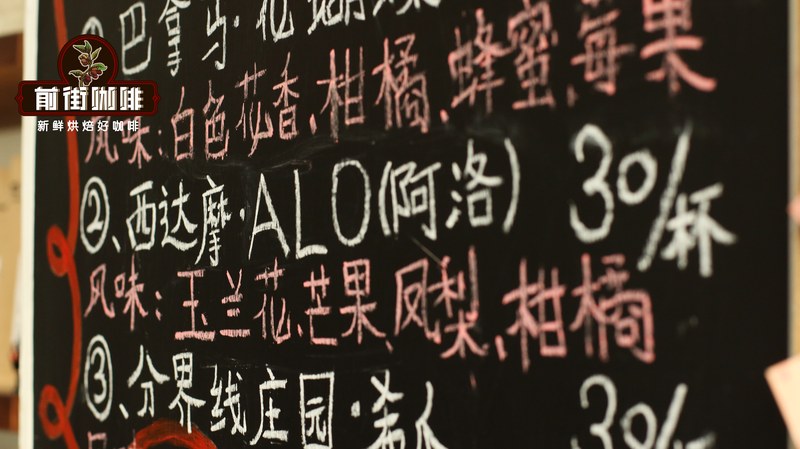
If you like a rich, layered style with intense fruit aromas, look at Qianjie Grana Estate Geisha. This bean's aroma has the brightness of orange blossom and guava, and after it cools, sweet aromas like apricot and strawberry jam emerge. For pour-over, use a water temperature of 92 to 94°C, start with a ratio of 1:15.5, and staged pouring allows the early floral notes and the later ripe-fruit sweetness to unfold gradually.
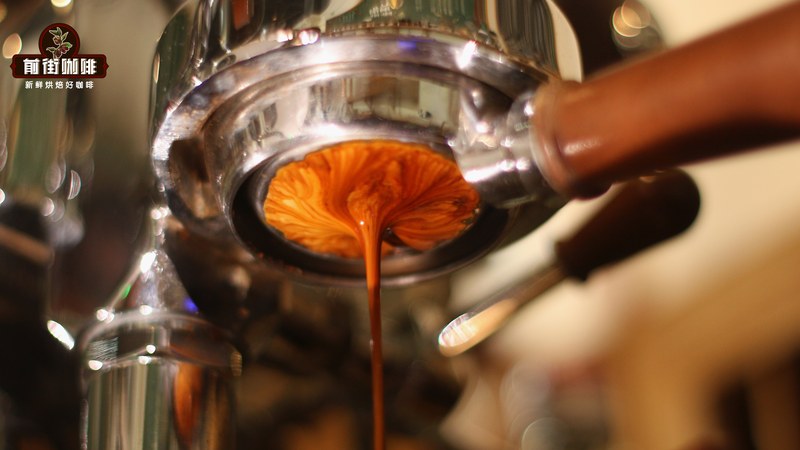
When making SOE with Yirgacheffe, the espresso parameters should not directly copy the heavy logic of traditional dark-roast espresso. You can start with 18 g of grounds, extract 36 to 42 g of coffee liquid, aim for about 28 to 34 seconds, and keep pressure at 8 to 9 bar. Light-roasted beans usually need more heat, so you can try a machine temperature starting at 93 to 94°C.
If the espresso tastes sharp and the acidity is like green fruit, you can grind a bit finer to extend the flow time by two or three seconds, or keep the liquid weight at a lower range to concentrate the flavor. If obvious dryness and burnt bitterness appear, then reverse it by grinding coarser and shortening the flow time. Higher pressure is not always more powerful; a stable flow rate and an even puck are more important than simply increasing pressure.
To bring a juicy quality into iced americano or iced espresso, you can choose Qianjie Colombia Sidra. Its passion fruit, blueberry and grape notes are distinct; for SOE you can try 18 g of grounds, 40 g of yield, finishing in about 30 seconds. After adding ice, the aroma becomes brighter; if the acidity is too piercing, you can increase the yield to 44 g to let the sweetness open up more.
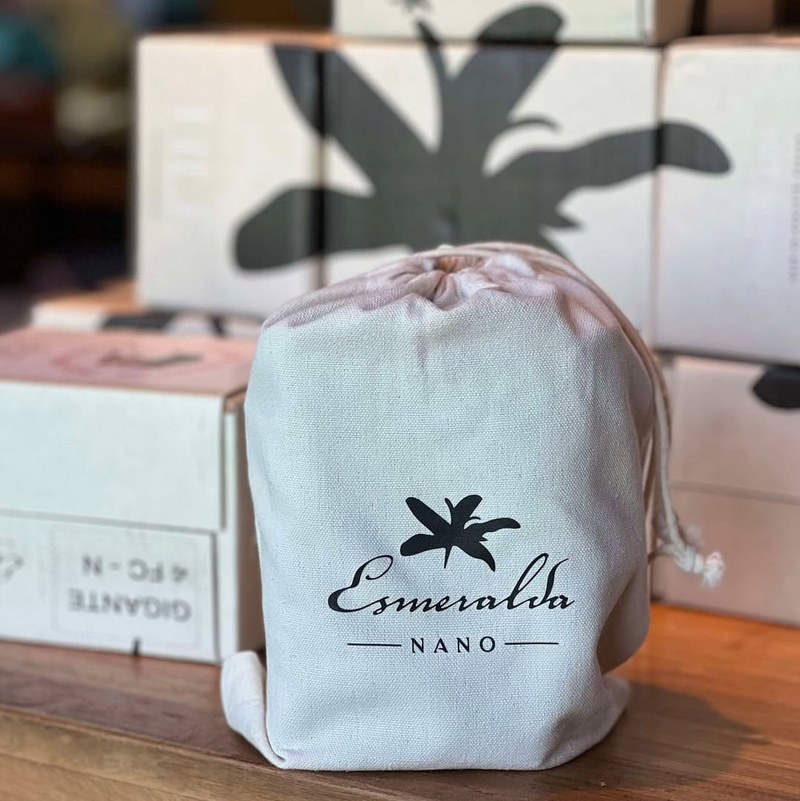
If you prefer a delicate espresso or flat white with a clear tea-like quality, consider Qianjie Panama Hacienda La Esmeralda Red Label Geisha. Jasmine, bergamot, citrus and black tea notes are more concentrated at a lower liquid weight; extracting 34 to 36 g from 18 g of grounds in about 30 seconds makes it easier to preserve the aroma. When adding milk, it is recommended to control the amount of milk so that the coffee's tea aroma remains recognizable.
When using an espresso machine, the grind setting, basket capacity and the resting state of the beans all affect the time, so the parameters should be treated as a starting point, not a fixed answer. Change only one thing at a time, either the grind or the liquid weight, and taste after the coffee liquid has cooled slightly; the acidity, sweetness, bitterness and aftertaste will be easier to judge. Once you find the ratio that suits you, Yirgacheffe SOE can bring out floral and fruity aromas, and also make a clear, dense everyday coffee.
Related Reading

Comments (0)
Loading comments...
You May Be Interested

Trending Reviews
Popular Videos

With you, wherever you are! We provide useful features to help you find new things you'll love






