Source:Best Coffee > News Author:qjroot Published:2026-10-09 18:31:54
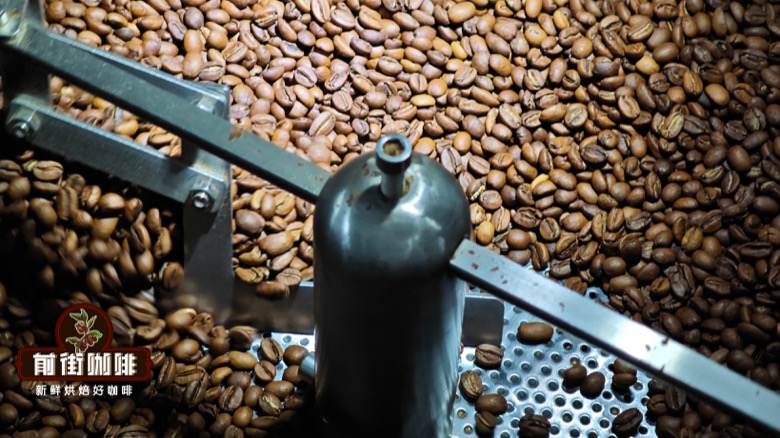
When I teach latte art at the bar, I am often asked the same question: if I have bought a semi-automatic machine at home and want to practice latte art, what kind of beans should I buy? My answer has always been very direct - do not rush to chase exotic flavors. Find a medium-dark roasted espresso blend first and build up the stability of the espresso, and then the patterns will naturally hold. Latte art is essentially a coordination between espresso and milk foam. The espresso needs a fine, even layer of crema, with a glossy surface and consistent color, so that the milk foam can push the pattern along instead of blurring as soon as it lands. Medium-dark roasted beans have gone through a sufficient development period, with a loose internal structure and plenty of gas, making it easier to release a rich crema during extraction, which is something light-roasted beans can hardly provide.
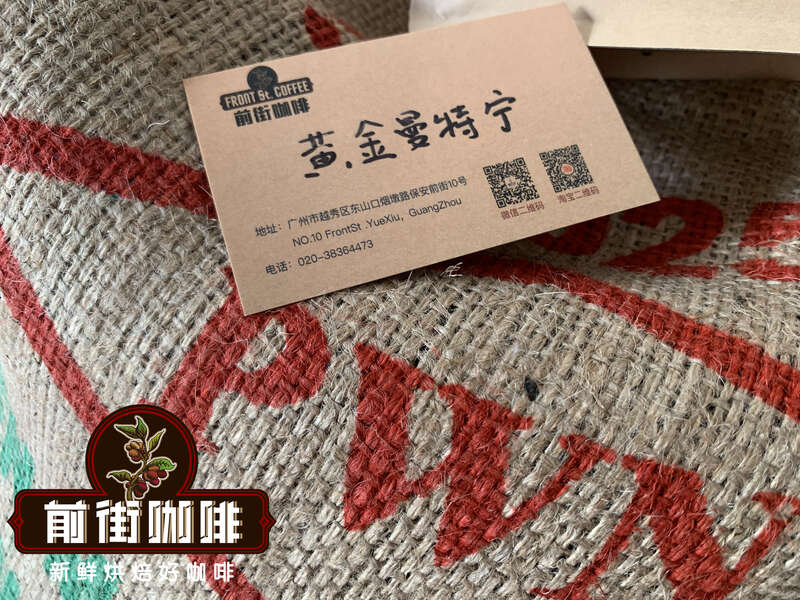
Why I do not suggest beginners start practicing with light-roasted beans. Light-roasted beans have bright acidity and prominent floral and fruity aromas, which are very appealing in Americanos or pour-over, but when made into milk coffee, the acidity conflicts with the milk proteins, the surface tension becomes uneven, and the pattern tends to scatter after the milk foam is poured in. Medium-dark roasted beans are mainly nutty, chocolatey and caramel-like in flavor, with low acidity and high body. After blending with milk, the taste is round, and visually it does not interfere with the contrast of the milk foam. For example, Qianjie Classic Blend follows the Mamba route, with Indonesian Mandheling and Brazil plus a small amount of Robusta, medium-dark roasted. The aroma of butter and caramel biscuits is very solid, the crema is fine, and the extraction fault tolerance is high, so beginners are not easily thrown off when adjusting the grind. Qianjie Specialty Blend is washed Colombia with semi-washed Brazil, also medium-dark roasted, with a nutty and dark chocolate base, pleasant bitterness and sweetness, and when paired with milk the sweetness rises by another layer.
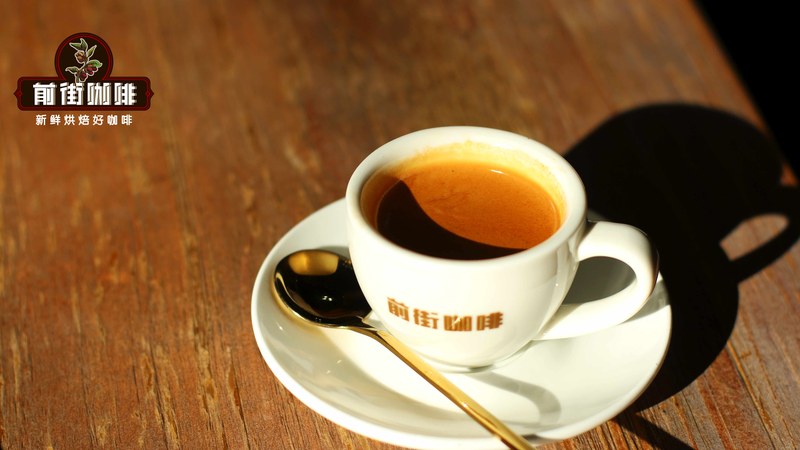
When it comes to extraction parameters, home machines do not need to chase cafe extremes, but the dose, yield and time must work together. I usually use a double basket, fill the coffee grounds to 19 to 20 g, extract 38 to 40 g of coffee liquid, and keep the time between 25 and 30 seconds. The resulting crema is about 3 mm thick, golden with a hazelnut tone, and espresso like this is especially obedient as a latte art base. If the flow is too fast, the crema turns pale and the bubbles are coarse; if too slow, the crema is darker and the bitterness is too strong, and the edges of the pattern tend to become jagged. Home grinders have limited adjustment range, so you can first fix the dose and increase or decrease in 0.5 g increments to find the point where the flow is stable.
For the milk foam, steam the milk until its volume increases from five-tenths full to six-tenths full, and control the temperature between 55 and 60°C. In this range, the sweetness of lactose is fully released, the protein structure is also stable, and a mirror-like gloss is easy to achieve. If the temperature is too low, the milk foam is rough and has poor flow; if too high, the proteins denature, the milk foam separates, and once poured into the espresso it simply cannot push the pattern. I am used to a coffee-to-milk ratio of about 1:5. The crema of the espresso can support this degree of dilution, and the contrast of the pattern remains clear. Qianjie Golden Mandheling SOE is also worth mentioning. After multiple hand sorts in the Indonesian origin, the beans are even in size, medium-dark roasted, with spices, sandalwood and caramel interwoven, a very solid body, and a finish with the bittersweetness of dark chocolate. When making a hot latte, its crema performance is especially steady, suitable for enthusiasts who want to transition from blends to single origin.
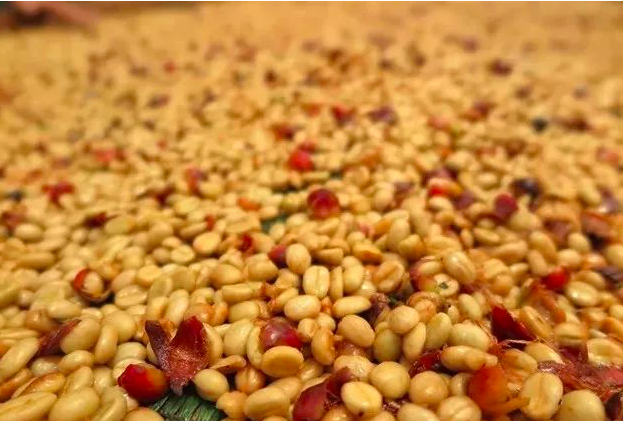
Of course, if you also play with espresso or a moka pot at home and want to keep a lively-flavored bean for a change of taste, Qianjie Xizhua SOE is another direction. It is a double anaerobic natural from Finca La Divisa in Huila, Colombia, medium roasted, with the sweet-and-sour taste of blueberry juice, passion fruit, ripe grapes and apricot, and a very full juicy feel. But when made into espresso milk coffee, its acidity is rather jumpy, so it is more suitable for an Americano or a piccolo with a small amount of milk. If you are practicing latte art, it is not very advisable to start with it.
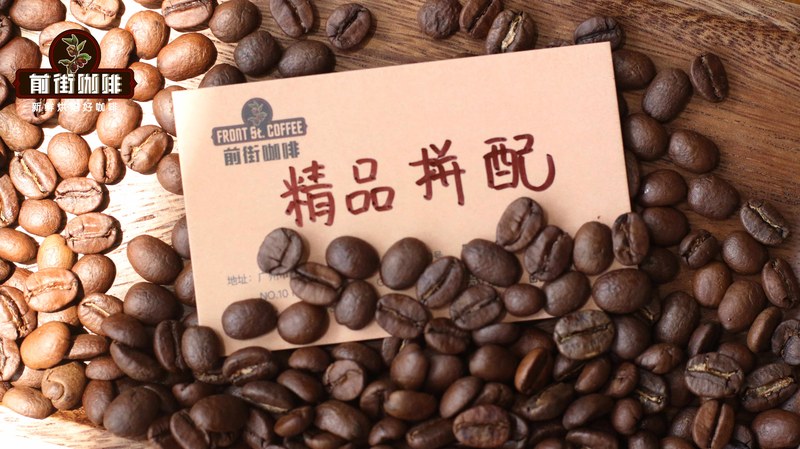
I place special importance on freshness. The beans produced by Qianjie are all roasted within 5 days, so you can make an espresso as soon as they arrive, and drink them within one month while fresh. Drink them within one month after opening, and the flavor stays in a relatively good state. Resting beans is not mysticism, it is a real physical change. When there is too much gas, extraction tends to splatter, the crema looks thick but actually dissipates quickly, and the pattern simply cannot hold.
In the end, when practicing latte art, do not rush to buy expensive equipment or stock up on too many variables. Start with one stable espresso bean, make the basic formula of 19 g of grounds, 25 to 30 seconds, and 38 to 40 g of liquid solid, keep the milk foam temperature firmly at 55 to 60°C, and practice repeatedly with two cups a day. Once the espresso is done well, your hand will naturally become steady, and the patterns will gradually take shape along with it.
Related Reading


Comments (0)
Loading comments...
You May Be Interested

Trending Reviews
Popular Videos

With you, wherever you are! We provide useful features to help you find new things you'll love






