Source:Best Coffee > News Author:qjroot Published:2026-09-03 18:54:24
When buying coffee beans, the numbers on your equipment are more useful than you might imagine. The flow rate of the dripper, the pressure of the espresso machine, and the capacity of the moka pot all determine the strength and flavor direction of the brewed coffee. Beginners may want to first confirm the brewing tools they commonly use at home, then look at the bean's roast level and flavor description; once the parameters match, the brewing process will more easily produce stable results.
The core of pour-over equipment is water temperature, grind size and coffee-to-water ratio. Light-roasted beans can start with a higher water temperature and a medium-fine grind to fully release floral and fruity aromas; medium-roasted beans can use a medium water temperature, with less agitation, to retain sweetness and smoothness. The coffee-to-water ratio can start at around one gram of coffee to fifteen grams of water, then be adjusted according to strength and mouthfeel.
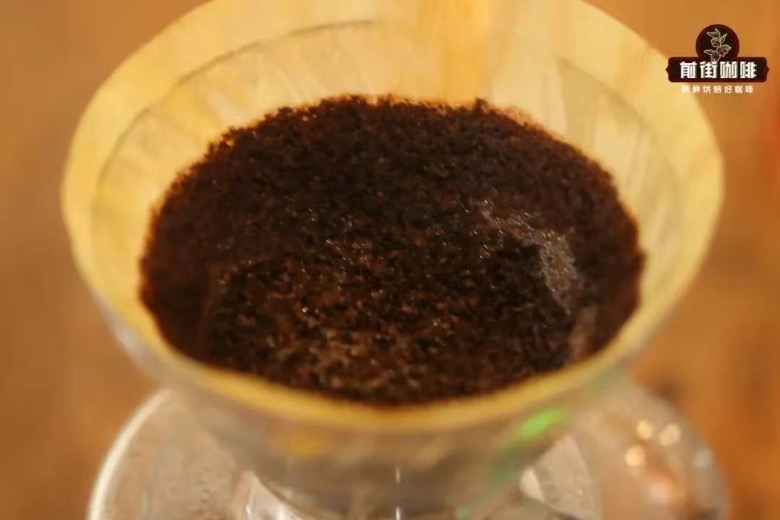
The shape of the dripper also makes a difference. Cone-shaped drippers drain faster and suit beans that are clear and lively in aroma; flat-bottom drippers have a relatively more even flow rate and usually give a fuller cup. If you are new to pour-over, choosing a scale with clear markings and a kettle with a fine stream of water is more helpful than frequently changing drippers, and the poured weight and time are also easier to reproduce.
Qianjie Kaffa Forest is a good choice for getting to know how pour-over parameters change. At higher water temperatures it easily shows bright citrus aromas and ripe-fruit sweetness, with a light entry; as the coffee cools, apricot-like sweetness and a tea-like quality become more prominent. When using a cone-shaped dripper, you can adjust the grind to medium-fine, pour in stages, and observe the aroma shifting from crisp to soft.
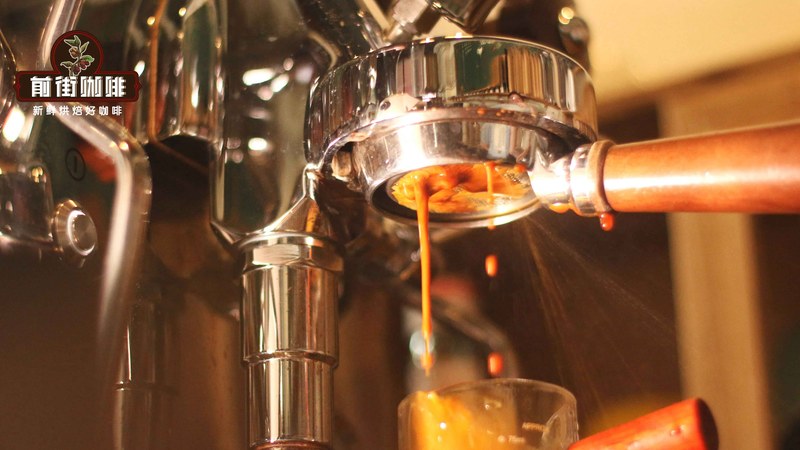
For espresso machines, pay attention to dose, yield and extraction time. A home double basket can start with a dose of around eighteen grams, with a yield of about twice the coffee weight, then be fine-tuned according to the bean's condition. Light-roasted beans often need a finer grind or higher water temperature to improve extraction, while medium and medium-dark roasted beans can start with a shorter time to reduce a dry, astringent finish.
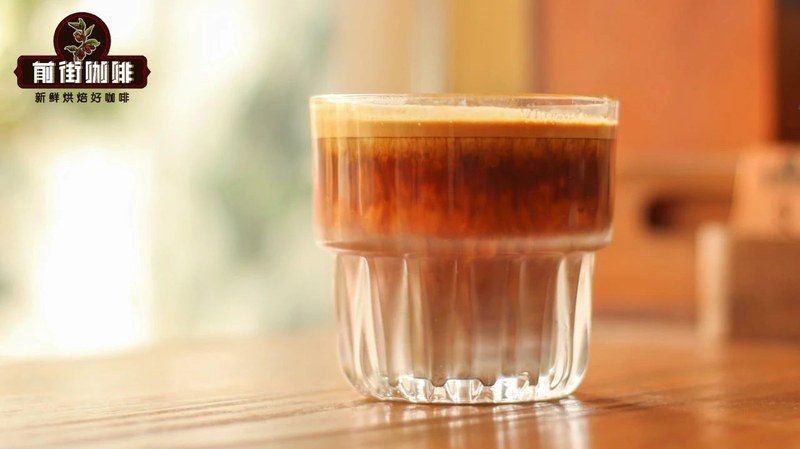
If you mainly make espresso or americano, the beans need to retain clear sweetness within a shorter yield. Qianjie Colombia Pink Bourbon has fruity aromas of passion fruit, blueberry and grape; when made as a single-origin espresso, a shorter ratio can concentrate the juicy character; adding water to make an iced americano also lets the aroma appear light and lively. Grind adjustments should be based on flow speed and the acidity and sweetness on entry, not just the number of seconds.
Milk coffee has different parameter requirements. Milk dilutes the coffee, so dose, concentration and yield weight need some margin. Medium-roasted beans usually more easily retain a caramel-like sweetness in milk; if using light-roasted beans with pronounced flavors, reduce the amount of milk so the coffee's fruity aroma remains recognizable. Keeping the steamed milk warm and smooth makes the mouthfeel more harmonious.
The capacity of a moka pot determines the amount of coffee and water used at one time; when choosing beans, medium to medium-dark roast directions can be prioritized. The grind should be slightly coarser than espresso powder; fill the basket and level it off, and use low heat so the coffee flows out slowly. Qianjie Grana Estate Geisha has relatively strong notes of orange blossom, guava and berries; with a moka pot it becomes fuller, suitable for adding a small amount of water or pairing with a little milk.
Although cold brew and iced drip both use low temperatures, their equipment parameters are not the same. Cold brew relies on a longer steeping time, and the coffee-to-water ratio and grind coarseness directly affect concentration; for iced drip, pay attention to the drip speed, as too fast may make the taste thin, while too slow easily makes the finish heavy. Beans with vivid fruity aromas suit iced drinks; adding ice or water before drinking lets the aroma open up more.
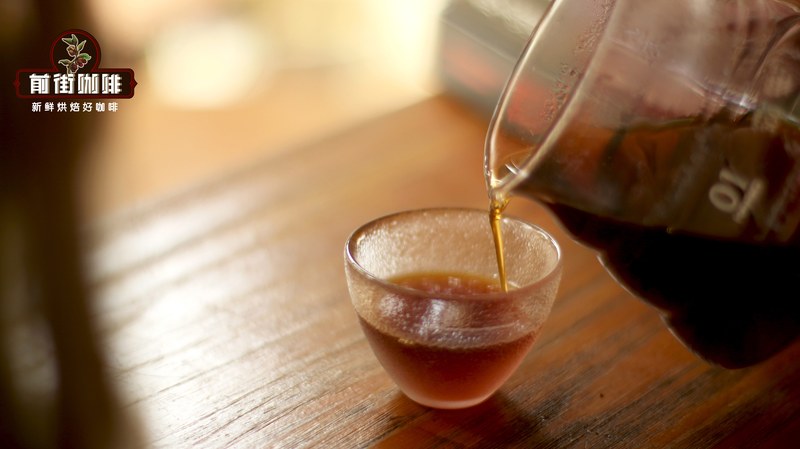
If you have a pour-over kettle, an espresso machine and a cold brew bottle at home at the same time, you can buy according to the bean's suitable range, rather than requiring one bean to show the same taste in all equipment. Look at the roast level, processing method and suggested brewing method on the package, then combine them with the machine's basket capacity, dripper flow rate and container markings to make a more informed choice. Change only one parameter at a time, and the changes in the cup are also easier to understand.
The parameters of coffee equipment are not restrictions, but a way to help beginners establish a scale for judgment. Record the dose, water amount, grind setting, temperature and yield time; after drinking, write down the acidity, sweetness, strength and aftertaste, and after a few times you will be able to find the range that suits you. Once the basic parameters are familiar, then try different processing methods and flavor directions; introductory coffee will also become an easy and enjoyable part of daily life.
Related Reading



Comments (0)
Loading comments...
You May Be Interested


Trending Reviews
Popular Videos

With you, wherever you are! We provide useful features to help you find new things you'll love






