Source:Best Coffee > News Author:qjroot Published:2024-07-19 19:19:28
In South America, this region has volcanic soil and the Andes Mountains, a warm and humid climate, and abundant rainfall. The climate is mainly tropical, and the growing conditions are highly suitable for coffee cultivation, which is why there are quite a few coffee-producing countries here, such as Colombia, Brazil and Peru. Among them, Peru is relatively low-key, but because it is endowed with good mountains and good water, it can also produce high-quality coffee beans.
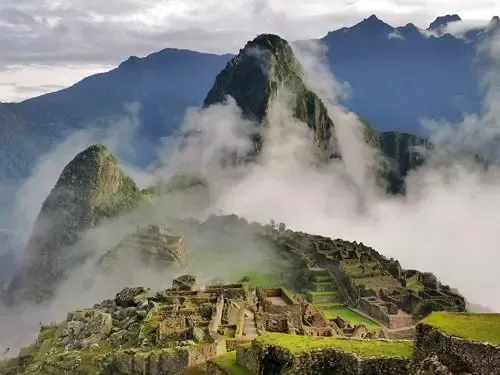
Coffee came to Peru in the 18th century, but most of the coffee produced in Peru was used for domestic consumption, so very little was exported. It was not until the end of the 19th century, when coffee leaf rust struck Indonesia, which at the time was Europe's main coffee supplier, that Europeans wanted to find new coffee origins. It just so happened that Peru owed loans to the British government at the time, making it an ideal new origin.
After two world wars, the major European powers began to sell their land in the Americas. The land taken back by the Peruvian government was redistributed to local people, changing from the former large estates to smallholder production. But afterwards, the country's government came into conflict with the Shining Path guerrillas, and the violence lasted for more than ten years, affecting local farmers, and it was not until 1992 that things returned to normal. In the mid-to-late 1990s, international coffee brands focused on buying coffee that met standards for quality, economic, social and environmental performance. This move drove the revival of Peruvian coffee production and made Peru one of the largest producers of organic coffee in the world.
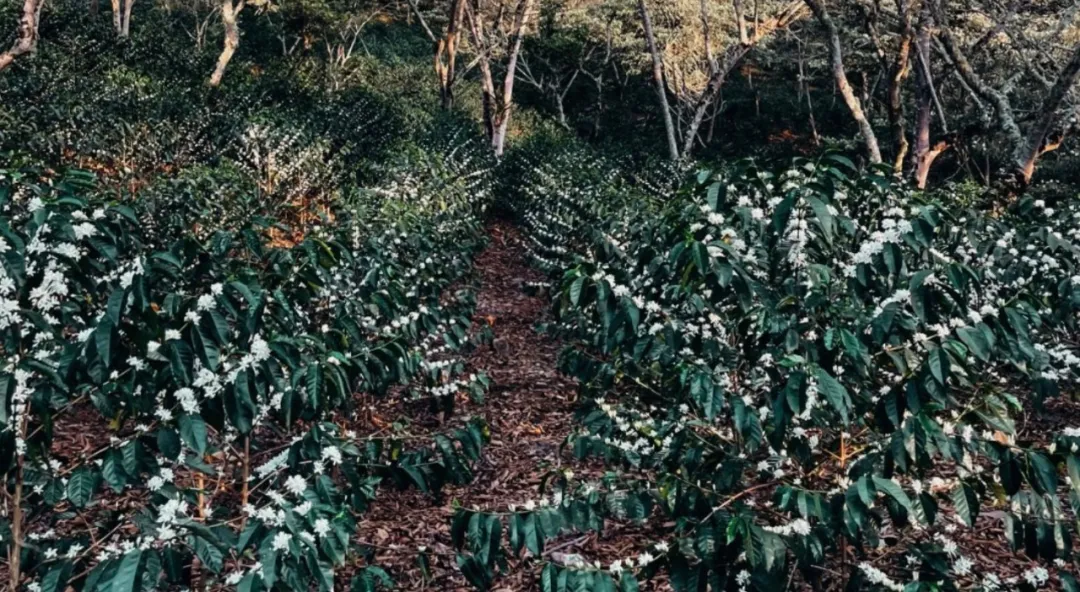
The reason coffee can grow very well in Peru is that the country's terrain and climate conditions are suitable. Peru is located in western South America, with the Andes Mountains running north to south through the country, and mountainous land accounts for one third of the country's area. The whole territory is divided from west to east into three regions. The western coastal area is an arid plain, also a tropical desert zone, but irrigated agriculture is well developed. The central mountainous plateau is mainly the central section of the Andes, and the central-southern section has many volcanoes, with an average altitude of about 4300 m, and it is also the source of the Amazon River. The east is the Amazon tropical rainforest region.
Peru lies in the tropical zone, but because its geographical conditions are complex, its climate is also quite diverse. Peru has 28 different climates. The central Andean mountainous area where coffee is mainly grown, because it is located on a plateau, has a tropical mountain climate, with more rain in summer, and temperature and humidity decrease as altitude rises.
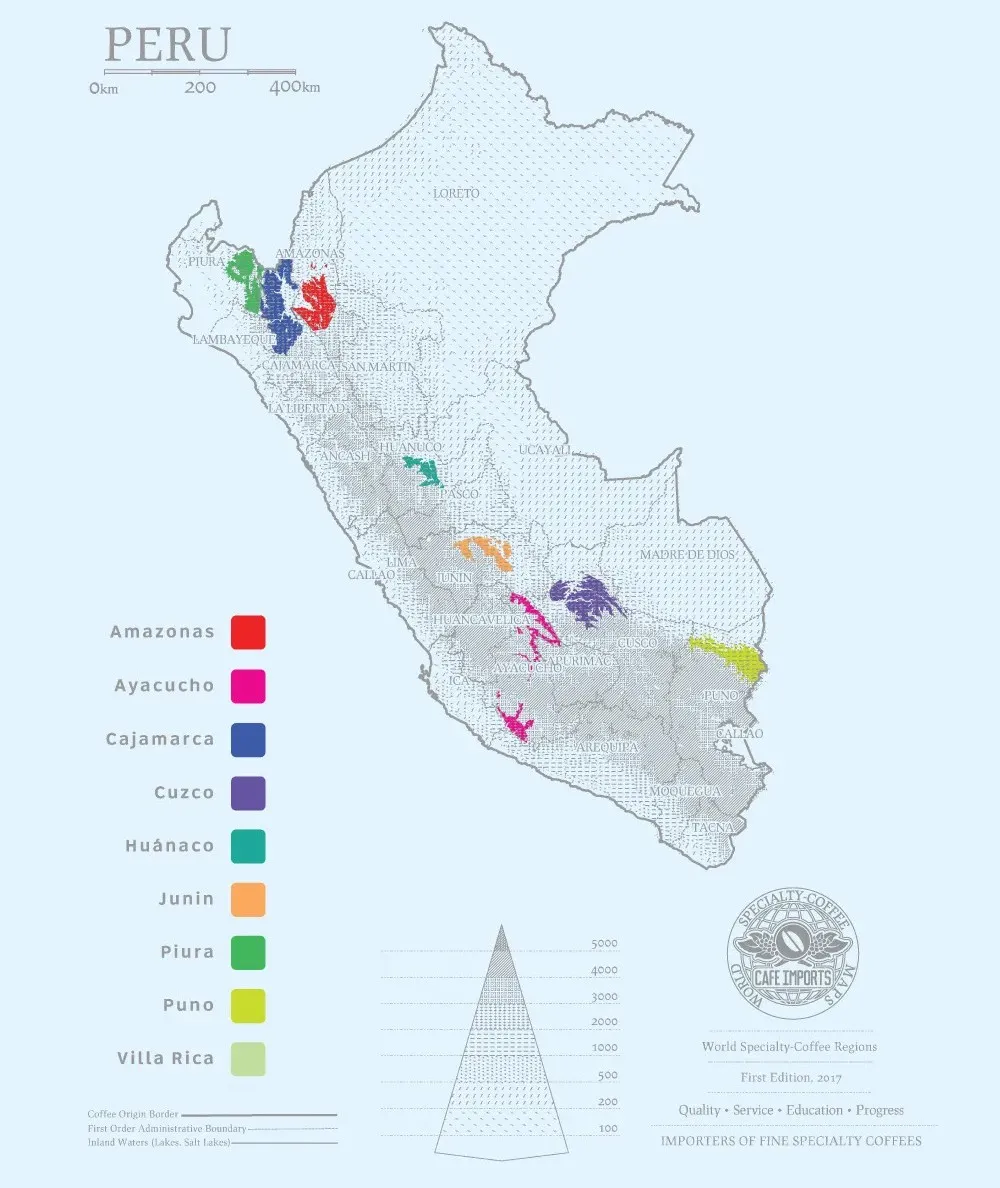
Peru is mainly divided into three coffee-producing regions: the north, the center and the south, with growing altitudes of 1000-1800 m. Among them, the northern coffee-growing area accounts for 43% of Peru's total, and in recent years the Cajamarca region in the north has become better known.
The Cajamarca region is located in northern Peru, near the border with Ecuador, high in the Andes Mountains. The area has a diverse landscape, with altitudes ranging from 1,500 m to 2,600 m, providing ideal conditions for coffee growing.
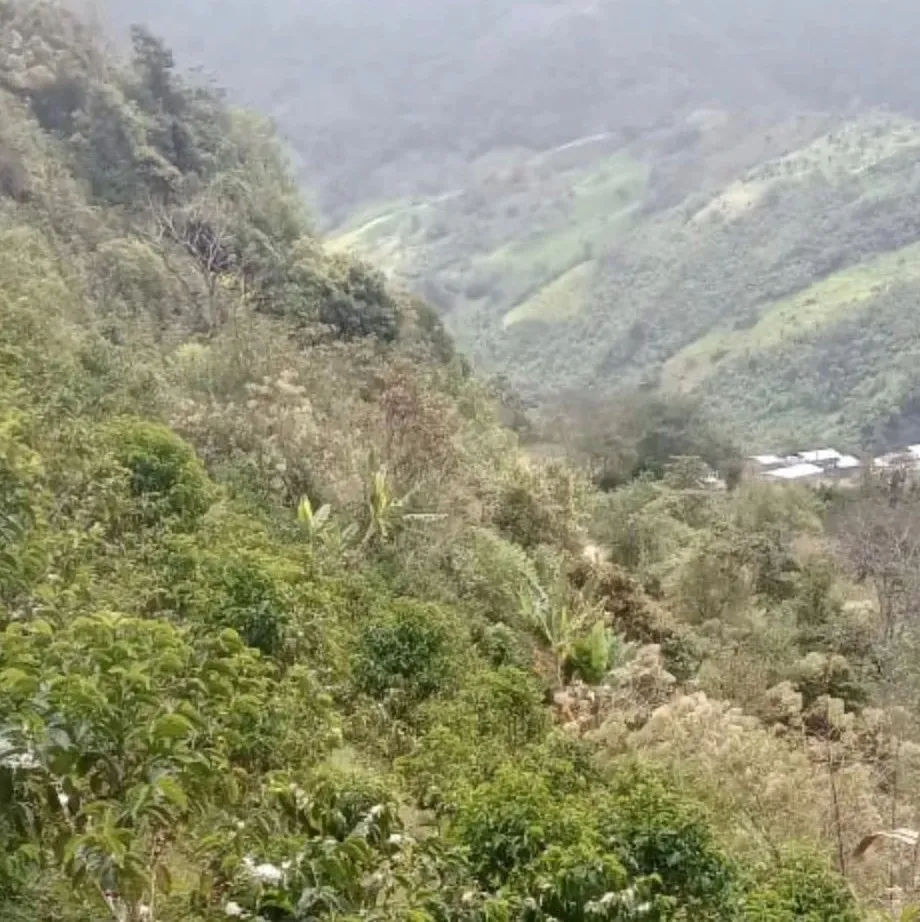
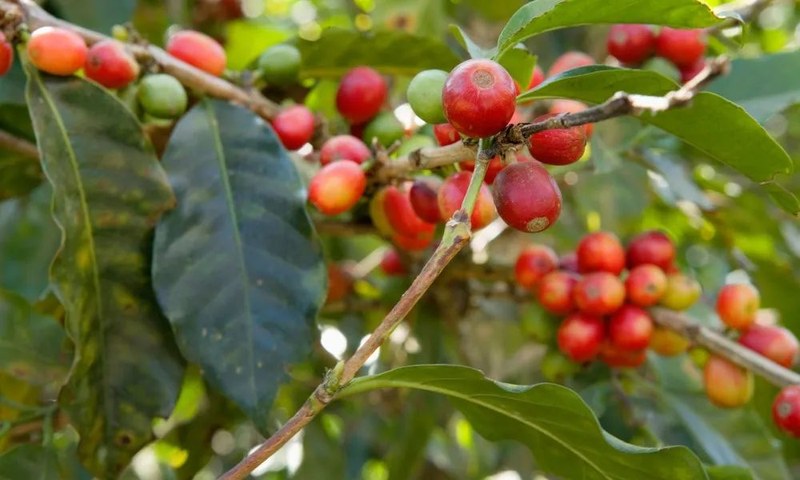
Here, coffee is mostly grown by smallholders on plots of 1-10 hectares. Farmers use traditional and sustainable farming methods to cultivate the coffee crop, usually intercropped with other plants such as bananas, avocados and corn, which helps maintain soil fertility and shapes the beans' distinctive flavour profile. What's more, farms in this region appear on the COE list year after year, such as the 2023 champion Yoniser Mego Silva farm.
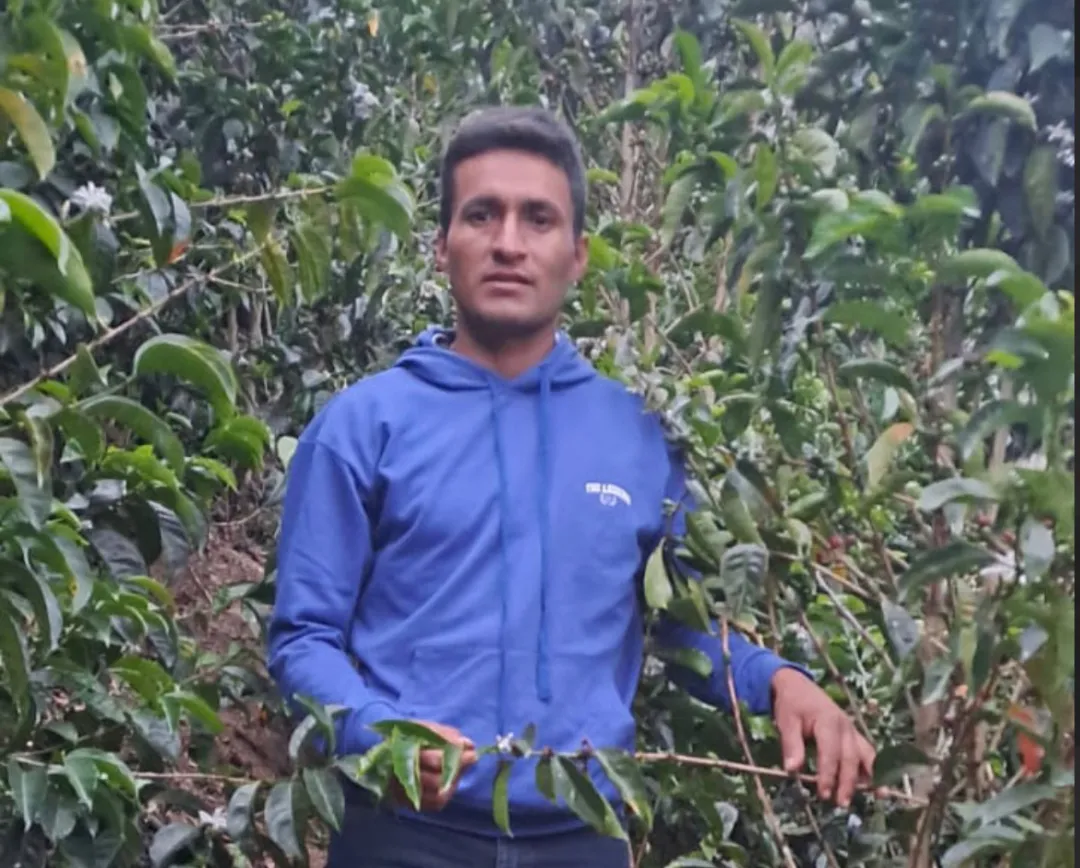
Yoniser Mego Silva farm is managed by Alto Mirador and his family, and is located in the city of Jaen in the Cajamarca region, with a growing altitude of up to 1990 m. The farm was purchased in 2000, when it was a traditional coffee plantation growing Caturra (Caturra), Typica (Typica) and others. The estate was later expanded, and it was only in 2020 that it began growing the Geisha variety, after which it entered the COE competition for the first time in 2022. 2023 was its second time competing, and it won the championship with a Geisha scoring 90.74 points.
Related Reading




Comments (0)
Loading comments...
You May Be Interested


Trending Reviews
Popular Videos

With you, wherever you are! We provide useful features to help you find new things you'll love






