Source:Best Coffee > News Author:qjroot Published:2025-11-11 16:25:29
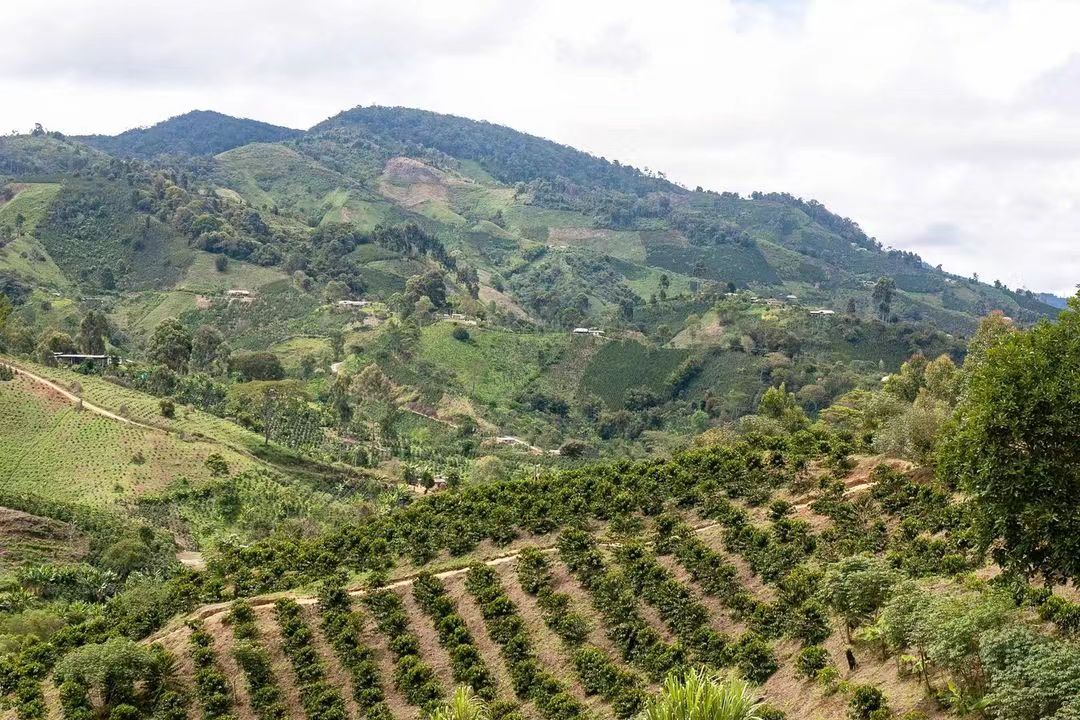
Colombian coffee is praised by countless coffee enthusiasts for its sweet aroma with a balance of acidity and moderate bitterness. High-quality Colombian coffee beans often appear on the single-origin pour-over menus, and due to their balanced intensity, they are also used in espresso blends. The reason this country can produce such high-quality coffee with such fragrant profiles is thanks to Colombia's ideal growing environment.
Colombia
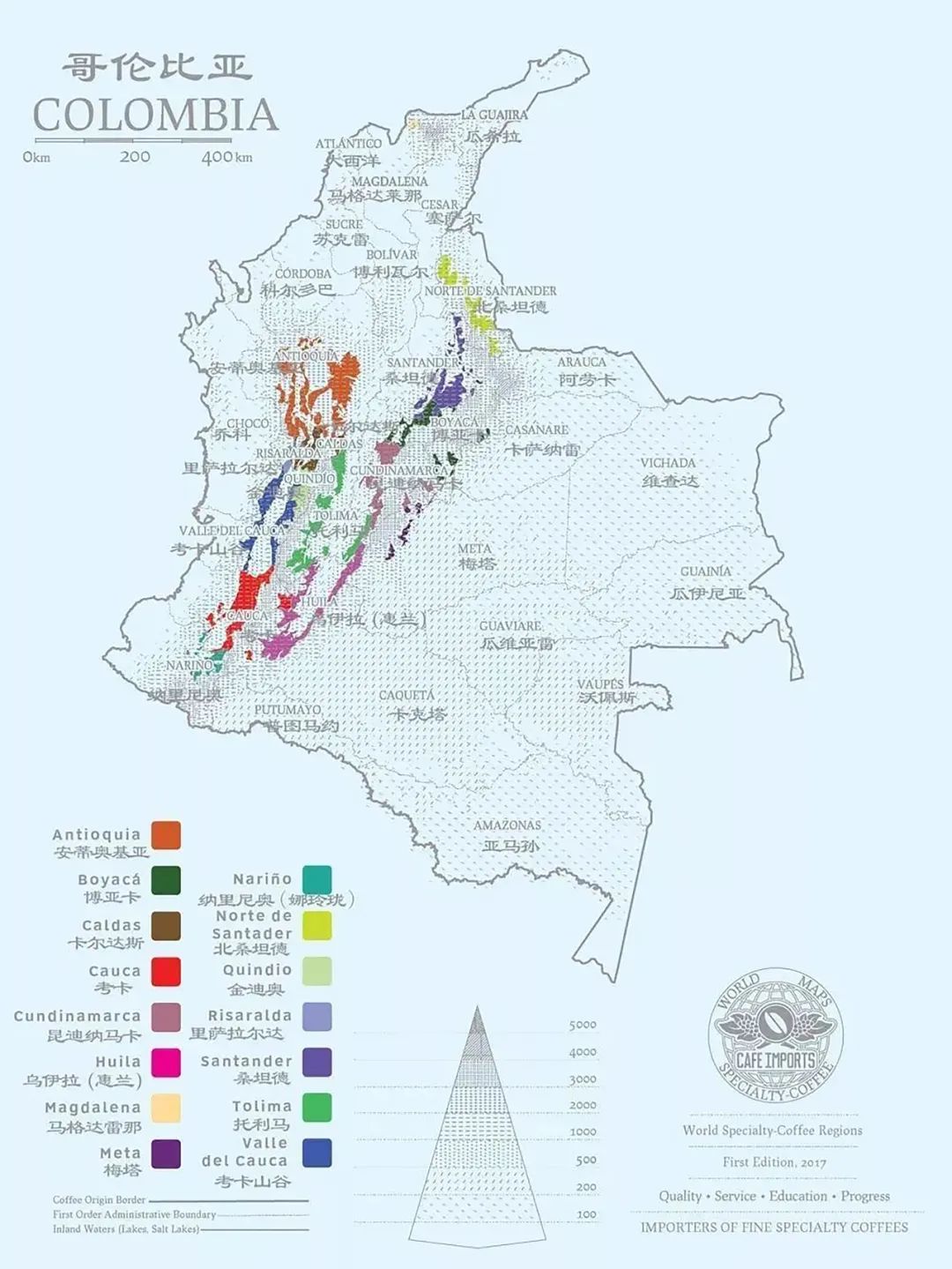
Colombia is located in the northern part of South America. As we can see from the map, the coffee-growing regions in Colombia are distributed along the Andes Mountains, stretching from south to north, with the main production areas located in the western part of the country. Due to the wide distribution of growing regions, different geographical factors and climate characteristics create varying coffee production seasons, making it possible for Colombia to have coffee harvests all year round.
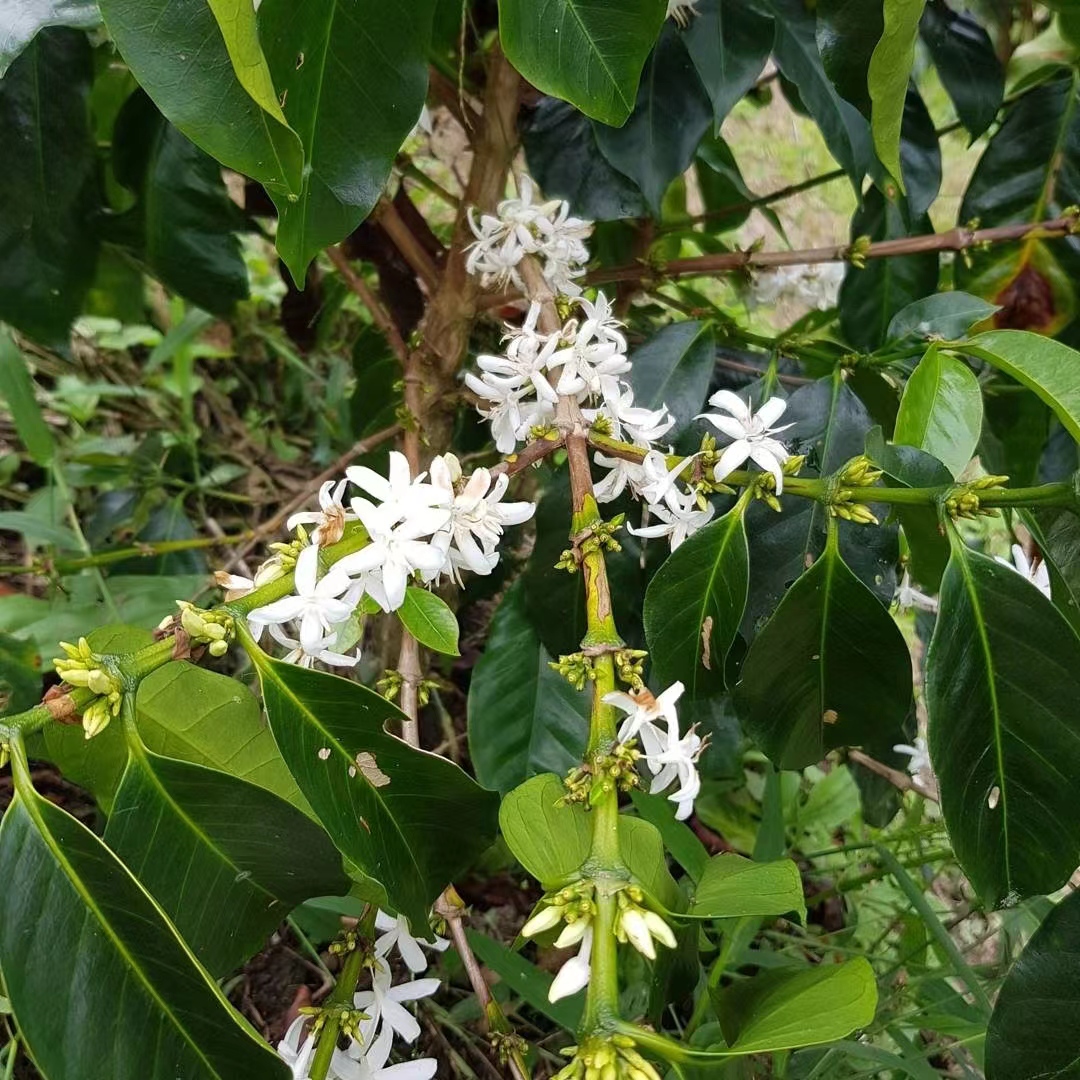
Colombia has relatively high growing altitudes, ranging between 1,000 and 2,500 meters. Influenced by the diverse terrain of the Andes Mountains, the region features abundant microclimates and plentiful rainfall, with temperatures averaging around 18 degrees Celsius year-round, making it very suitable for coffee tree growth. This is the primary reason why Colombian coffee is of such high quality.
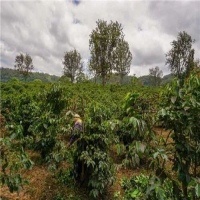
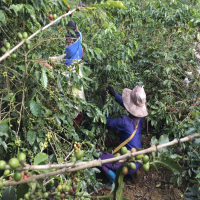
30%-40% of the rural population in Colombia relies on coffee production, and local agriculture is managed in small farm operations, including coffee cultivation. Farms are generally small, usually around two hectares in size. Farmers carefully tend to the plants in their gardens, and locals often plant tall trees or banana trees around coffee trees to provide shade.
Colombian Coffee Growers Federation (FNC)
The FNC is the largest official organization of coffee producers in Colombia, with the full name National Federation of Coffee Growers of Colombia, also known as the Colombian Coffee Farmers Alliance, established in 1927.
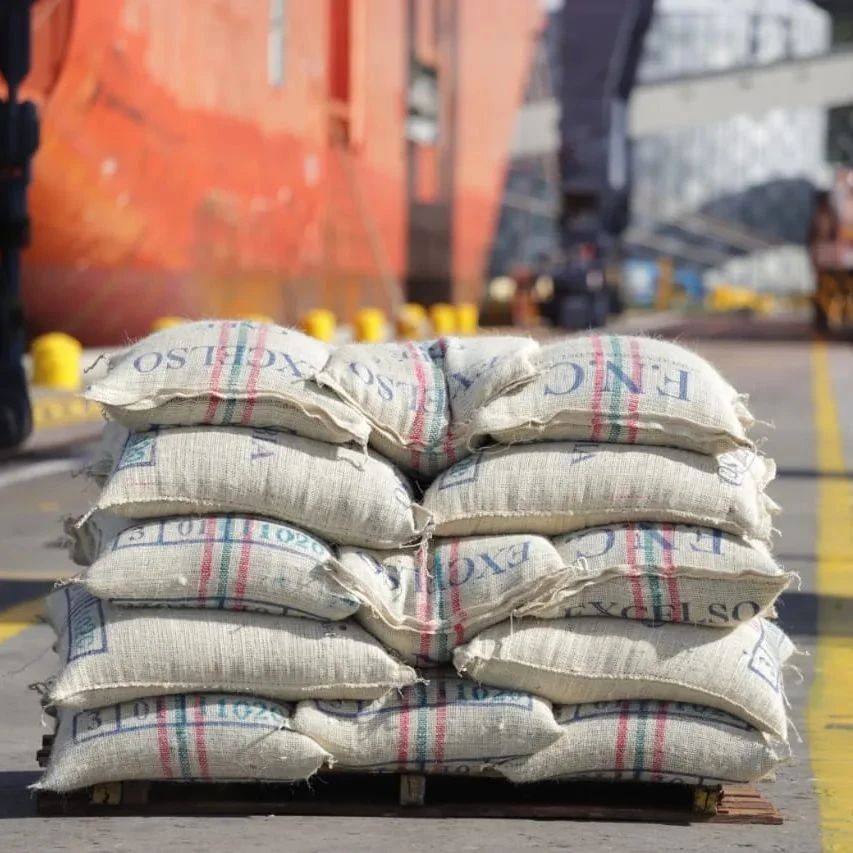
The FNC is an organization that serves Colombian coffee farmers and is also the largest exporter of green coffee beans in the region. The association has been committed to improving the quality of life of Colombian coffee producers through various initiatives, such as providing technical assistance to growers and optimizing production costs, ensuring the long-term development of local coffee farmers and maintaining the overall quality of the coffee industry.
Thanks to the FNC's promotion in the international coffee market, the iconic "Juan Valdez" character was successfully created. Juan Valdez, representing the image of all Colombian coffee farmers, along with his mule (with the Andes Mountains in the background), has become the official logo of the Colombian Coffee Producers Association and frequently appears in advertisements. Through such promotion, Colombian coffee has gained worldwide fame, making Colombia the world's third-largest coffee exporter, which is a source of great pride for Colombians.
Colombian Coffee Growing Regions
On the coffee menu of Front Street Coffee (FrontStreet Coffee), Colombian coffee occupies a significant section, with several varieties being favored by customers. To help beginner coffee enthusiasts understand representative classic coffee-growing regions, Front Street has introduced a selection of seven everyday beans, including Colombian beans, allowing everyone to enjoy the main flavor profiles of each region at an affordable price.
Geographically, Colombian coffee-growing regions can be divided into three main areas: northern, central, and southern. Among these, the southern region is the primary area for high-quality coffee production. Below, Front Street will introduce several representative growing regions.
Huila
Located in the southwestern part of Colombia, the Huila region is one of the important specialty coffee-growing areas in the country, accounting for 12% of Colombia's total coffee production. Surrounded by diverse hills and mountains, the region sits at an altitude of over 1,500 meters, with the convergence of the Colombian river providing ample water resources for coffee tree growth. Unlike the classic rich and bold flavors traditionally associated with Colombian coffee, the Huila region mainly consists of micro-lot coffees supplied by smallholder farmers. The varying microclimates and unique processing methods result in distinct flavor profiles. Front Street believes that washed Huila coffee best represents the foundational flavors of Colombian coffee, which is why it has been included in the everyday bean series.
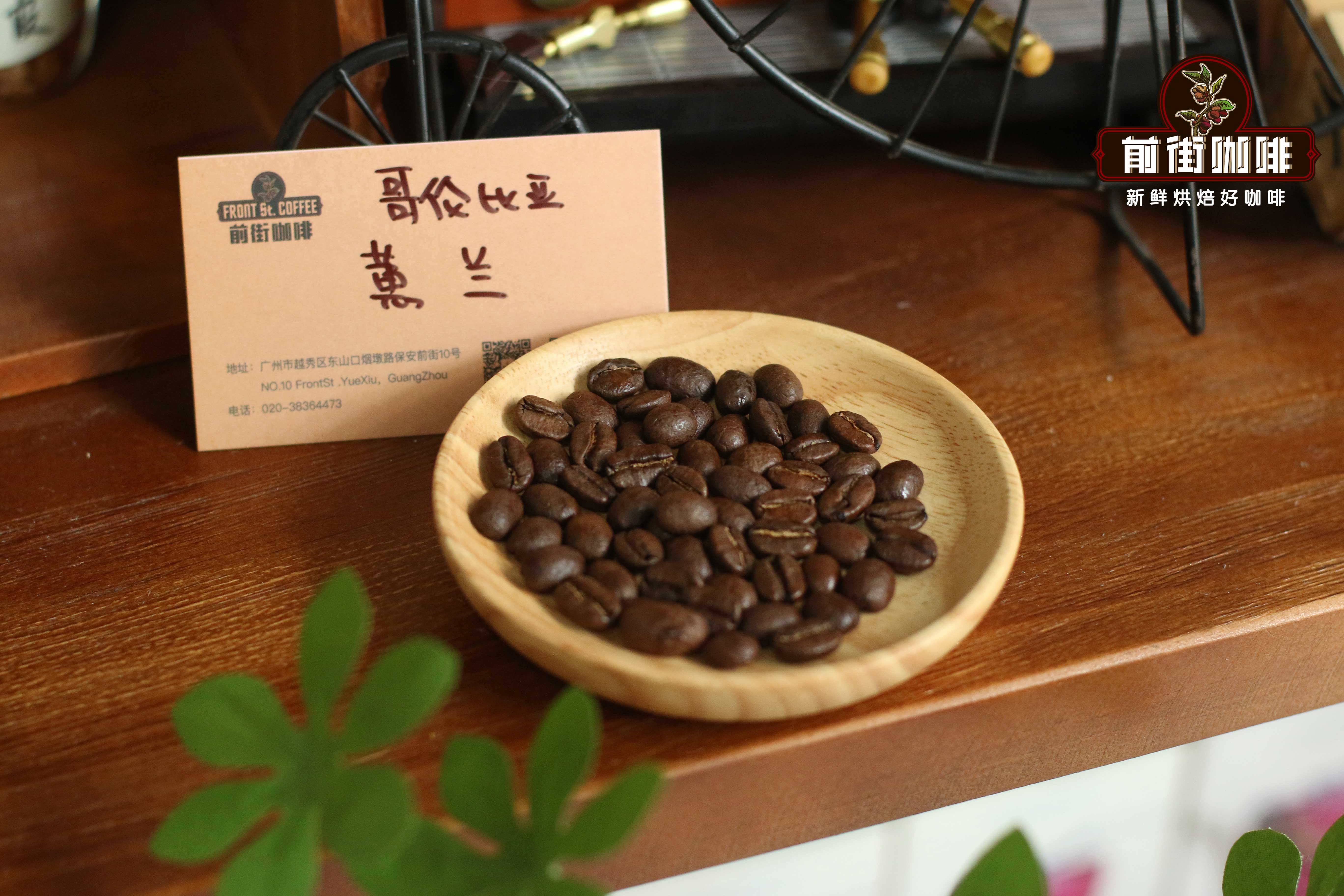
FrontStreet Coffee: Colombian Huilan Coffee Beans
Region: Huilan
Elevation: 1500-1800 meters
Processing Method: Washed
Variety: Caturra
Flavor: Nuts, dark chocolate, caramel, mild fruity acidity
Cauca
The Cauca region features mountainous terrain at high altitudes, reaching up to 2100 meters. The area’s suitable precipitation, significant day-night temperature variation, and volcanic soil are all highly conducive to coffee tree growth. The most distinctive feature of Cauca compared to other Colombian regions is the pronounced diurnal temperature difference at high elevations, resulting in a longer maturation period for the coffee cherries. This allows them to fully absorb nutrients, contributing to the pleasant balance of sweetness and acidity in Cauca coffee.
Nariño
The Andes Mountains span the entire Nariño province, where coffee trees are grown at elevations of 1600-2300 meters in misty, high-altitude environments. The rich nutrients from volcanic soil contribute to the production of high-quality coffee. Although Nariño has relatively low coffee output, its unique microclimate—shaped by elevation, terrain, and soil—results in coffee with excellent acidity and distinctive flavors. It also has a high sensory grade and outstanding mouthfeel, making it increasingly popular among coffee enthusiasts worldwide in recent years.
Santander
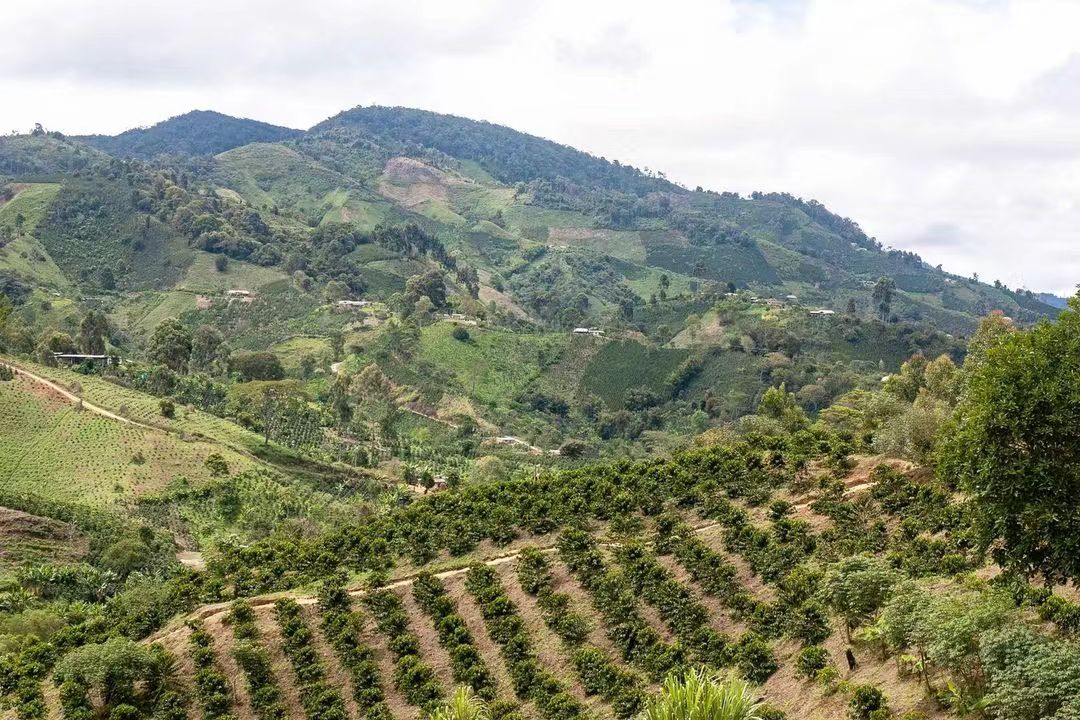
FrontStreet Coffee (FrontStreet Coffee) understands that Santander is the earliest province in Colombia to begin cultivating coffee. Though not often mentioned, it is also a very important coffee-producing region in Colombia, accounting for 5% of the country’s total coffee output. The climate here is dry, and the elevation is relatively low, around 1400-1600m, where large amounts of Typica variety are planted. Most local coffee trees are grown in forests with appropriate shading, which leads to a longer ripening period for the coffee cherries. The fertile soil and notable temperature differences result in richer and more rounded coffee flavors.
Coffee Varieties
As one of the world’s major coffee-producing countries, Colombia naturally has a highly diverse range of coffee varieties. In addition to the traditional Typica and Bourbon, there are also Caturra, the Colombia variety developed by the Colombian Coffee Research Center, and Castillo.
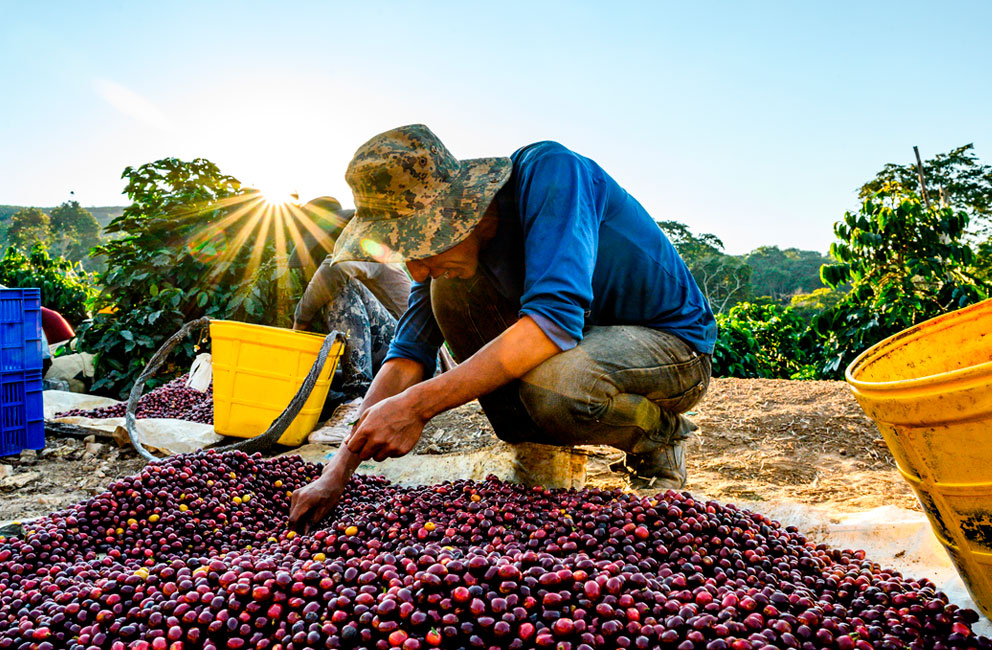
In the late 16th century, the Typica variety was introduced to Colombia and has a long cultivation history. Typica offers elegant flavors, with light floral notes and high-quality acidity and sweetness. However, it has poor disease resistance, resulting in lower yields. As a result, most coffee farmers choose to plant higher-yielding varieties. The Typica variant, Bourbon, has a cleaner and brighter acidity but was introduced to Colombia relatively late and is not widely cultivated.
The popular Caturra variety is a natural mutation of Bourbon, with flavors similar to those of Bourbon. However, Caturra trees do not require shade, have many branches and thus higher yields, and are shorter in stature for easier harvesting. These various advantages make Caturra the preferred variety among Colombian coffee farmers. Currently, Caturra has become the main coffee variety in Colombia.
To combat coffee leaf rust, Colombia’s National Coffee Research Center (Cenicafé) developed the Castillo hybrid variety through multiple generations of backcrossing in 1980. It exhibits strong disease resistance and high yields. However, in cupping tests, its flavor still does not match that of Caturra, and it is mostly used for commercial bean exports. In addition, there is the newer Castillo variety jointly developed by FNC and the research center. Due to its high resistance and continuously optimized flavor profile, the Colombian government is promoting its cultivation.
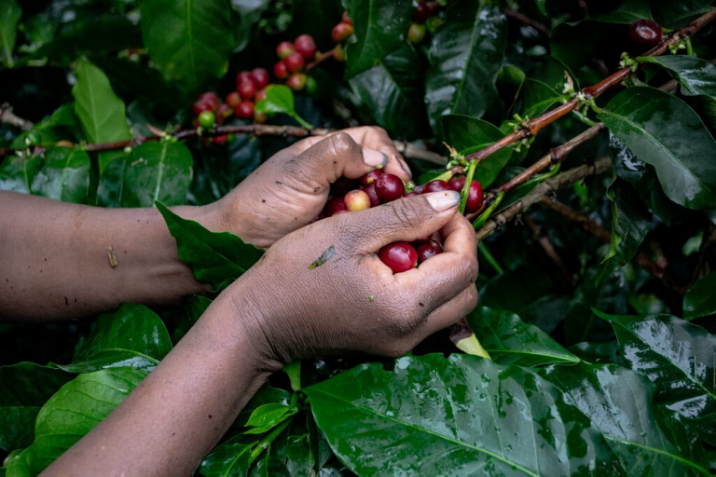
Coffee Processing Methods
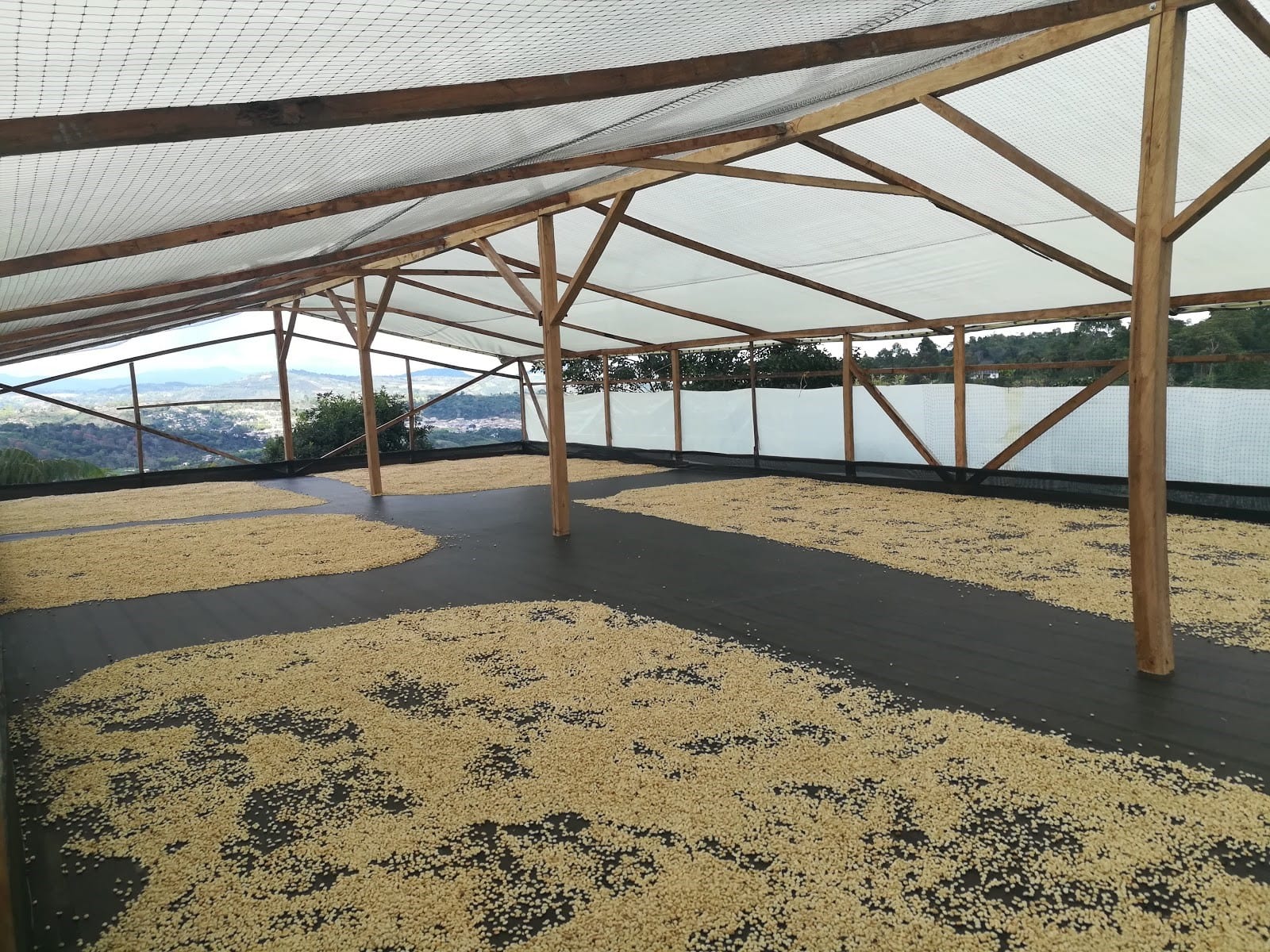
Most of Colombia’s green coffee beans are processed using the washed method. Small farms are equipped with machines for removing the coffee fruit’s skin and pulp. Farmers pour the harvested coffee cherries into these machines, add a small amount of water, then place the beans with minimal mucilage into small tile tanks or containers for overnight fermentation to loosen the mucilage layer. Afterward, they rinse the beans with clean water and dry them naturally outdoors. If rainy weather affects the drying process, locals use drying machines to dehydrate the beans in a controlled environment maintained at fifty degrees Celsius until the moisture content meets the required standard before packaging and storage.
In recent years, as micro-lot specialty coffee has become increasingly popular, many Colombian coffee farmers have started adopting newer processing methods in pursuit of more diverse flavor profiles. For example, the Huayueye coffee beans on the Front Street coffee menu are processed using the anaerobic natural method, which involves anaerobic fermentation of the coffee cherries followed by sun drying. It’s important to note that the temperature during anaerobic fermentation must be kept below 10–15°C. In a sealed and clean stainless steel fermentation container, the coffee beans ferment without oxygen for three days.
Colombia’s Green Coffee Bean Grading System
Colombia’s green coffee bean grading system is primarily based on bean size. The highest grade is Supreme Screen 18+. Colombian Supreme coffee beans refer to a 500g sample where 95% of the beans are above 18 mesh, with plump and uniform particles.
Packaged green coffee beans are typically sorted using fixed-size sieves, with different specifications corresponding to different hole sizes. For example, a sieve with 17-mesh holes will not allow beans larger than that size to pass through, so the higher the sieve number, the larger the beans that remain on the sieve. After sorting by size, the beans are then screened for defective beans and foreign matter, followed by evaluation based on defect rates and cupping tests. For defect-based grading, Colombia has specific standards, mainly divided into two categories: Category 1 defects and Category 2 defects.
Category 1 Defects (defects affecting cup quality): black, moldy, or sour/fermented flavors. Maximum allowable defect count: 12. Category 2 Defects (defects related to appearance): discolored (stale, faded, yellowish, mottled), bad beans, broken, chipped, cut beans, insect-damaged, deformed, unripe, grayish or soft beans, etc. Maximum allowable defect count: 60. Points are deducted based on the number of defects, and the final score determines the grade: AA, A, or G.
Each farmer reports a code number and inputs information about their green beans, facilitating future traceability. The names of Colombian green coffee exports usually follow the format: Country + Region + Grade + Other, for example, the Front Street Huila everyday coffee beans are labeled as Colombia Huila Supremo SC17/18 FNC.
Colombian Coffee Flavor Profiles and Brewing Recommendations
For brewing, the baristas at Front Street Coffee (FrontStreet Coffee) aim to highlight the nutty and rich chocolatey tones of the Huila everyday beans. To avoid over-extraction, they use a medium grind size and medium water temperature for brewing.
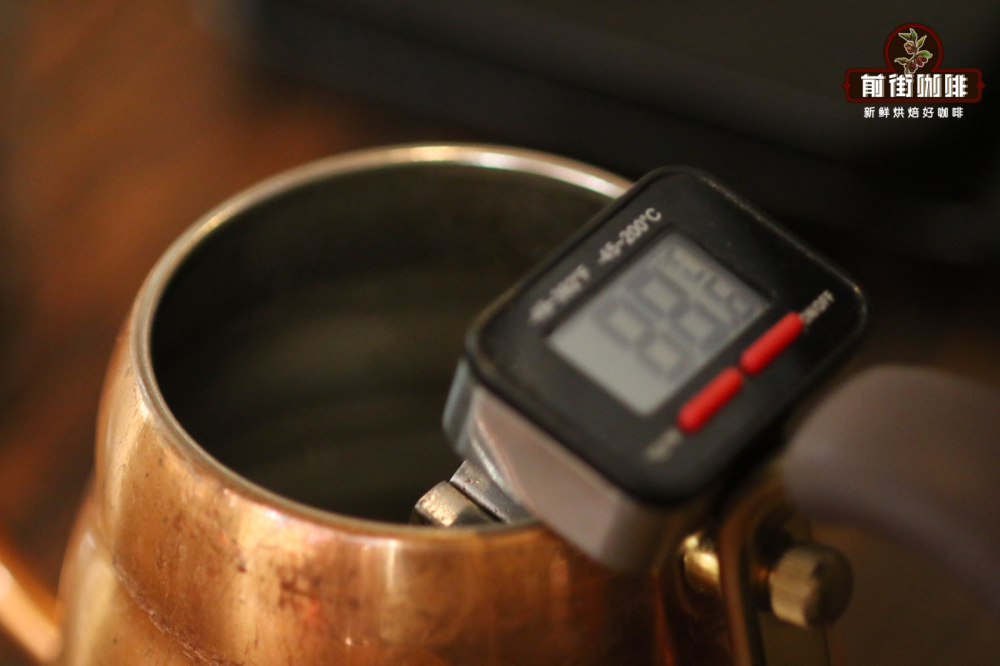
Brewing Parameters: KONO dripper, 90°C water temperature, 75% extraction rate through a standard 20-mesh sieve, 1:15 coffee-to-water ratio, 15g coffee dose, three-stage pour-over.
Place the coffee grounds into the V60 dripper, wet the coffee bed with twice the amount of water to form a bloom and let it sit for 30 seconds. Then pour water in small streams from the inside out in a circular motion until you reach 125g, marking the first pour. Once the coffee bed descends to about half the height of the dripper, continue pouring with the same fine stream for the second pour up to 225g. Continue until all the coffee has filtered through, then remove the dripper. The total brew time is about 2 minutes.
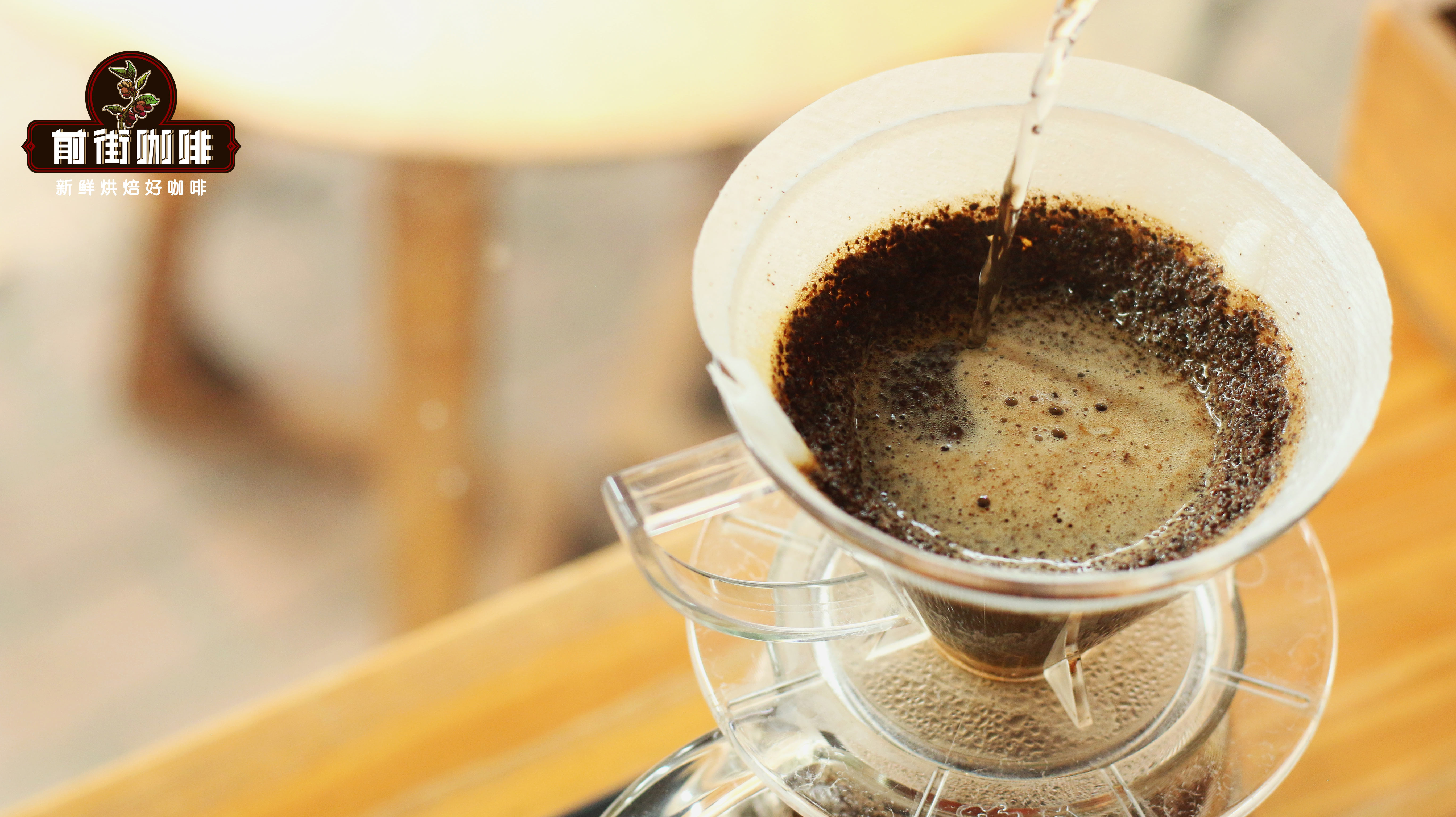
The Huila everyday beans offer a pronounced chocolate aroma, smooth and sweet taste, a clean mouthfeel, and no off-flavors.
Related Reading



Comments (0)
Loading comments...
You May Be Interested




Trending Reviews
Popular Videos

With you, wherever you are! We provide useful features to help you find new things you'll love






