Source:Best Coffee > News Author:qjroot Published:2026-08-30 19:29:41
When choosing beans for a shop, you cannot look only at the flavor words on the packaging; you also have to judge them within the real drink-making workflow. The portafilter basket capacity of the espresso machine, the grinder setting, the average daily cup volume, and the ratio of Americanos to milk drinks on the menu will all change the direction of bean selection. When the equipment parameters match well, the coffee liquid more easily maintains consistency in strength, sweetness and flavor, and staff can more easily master the pace of serving drinks.
If the shop mainly uses a two-group espresso machine, first confirm whether the basket is single, double or a larger specification, then set the dose and target yield. A common double basket can be tested starting from about 18 g dose and about 36 g yield, with time adjusted according to the condition of the beans. The parameters are not a fixed answer; the key is to let the coffee liquid still have clear sweetness during peak hours and not become thin because of continuous pulling.
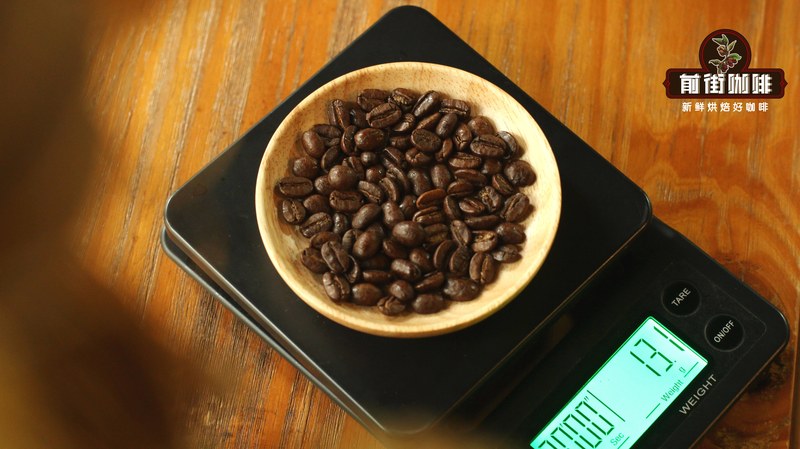
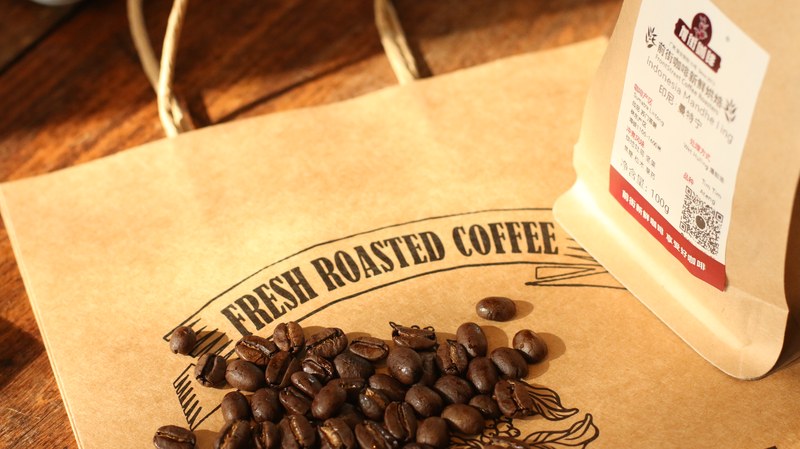
When milk drinks make up a relatively high proportion of the menu, the beans need to stand up to being wrapped in milk. Qianjie Black Cocoa Blend carries dark chocolate, roasted nuts and cooked sweetness, and once put into the espresso machine it easily forms a thick coffee base. When making a latte, you can appropriately reduce the milk amount to make the cocoa character more concentrated; when making a flat white or a small cup of cappuccino, it can retain a more obvious coffee presence.
If the shop also sells Americanos, the espresso beans' yield cannot serve only milk drinks. Taking Qianjie Black Cocoa Blend as an example, after the espresso is diluted with water it can still leave the outline of cocoa and nuts, making it suitable for hot Americanos and also able to handle dilution after ice is added. During testing, you can compare yield ratios of 1:1.8, 1:2 and 1:2.2 separately, then choose the shop standard according to acidity, sweetness and the finish.
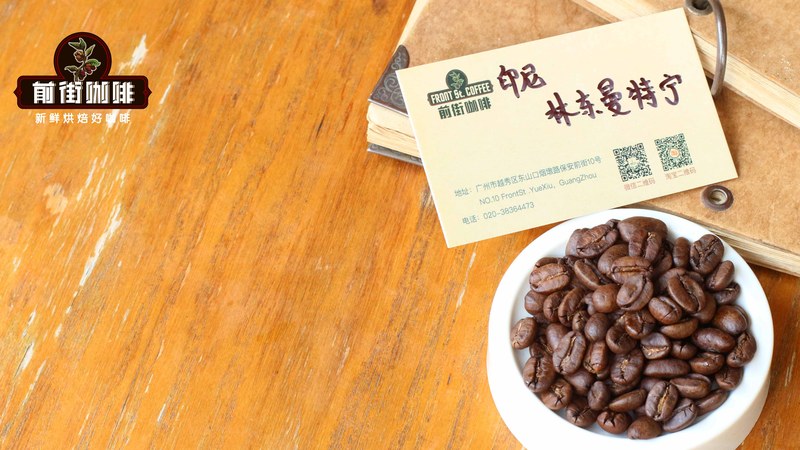
If you want the menu to be easier to manage, consider Qianjie Commercial Blend. Its direction leans toward full body, smoothness and everyday adaptability, and on a commercial espresso machine it is convenient for establishing unified parameters, while also covering basic drinks such as espresso, Americano and latte. For a shop that has just started operating, it is recommended to record the dose, yield, time and grinder setting after every bean change, which will make shift handovers clearer.
The performance of the grinder also affects bean selection. When the burrs are relatively new and the settings are finely stepped, it can handle beans with distinct flavors; if the equipment's adjustment range is limited, medium-dark roasted beans with balanced flavor and wide tolerance are easier to keep consistent in taste. Before opening, the beans should go through a period of degassing, then several consecutive cups should be tested to observe whether the flow rate is stable, avoiding setting menu parameters based on only a single cup.
If the shop has pour-over or iced pour-over, then you can configure a bean different from the espresso base. Qianjie Strawberry Candy Coffee Beans carry a light berry sweetness, and for pour-over it is suitable to use a higher water temperature and a finer grind so that the aroma enters the cup more fully; after ice is added, the acidity and sweetness appear brighter, making it suitable for a fruity Americano and also able to add a choice different from nutty cocoa to the menu.
The capacity and filtration method of the cold brew equipment will determine the grinding and steeping arrangements for the beans. When making large batches, too fine a grind easily clogs the filter bag, and the cup may also appear cloudy; a coarser grind and a longer steeping time are usually easier to control. When making cold brew with Strawberry Candy-style beans, you can make the ratio slightly stronger, then extend it with ice cubes or sparkling water, letting the berry aroma become the memory on the first sip.
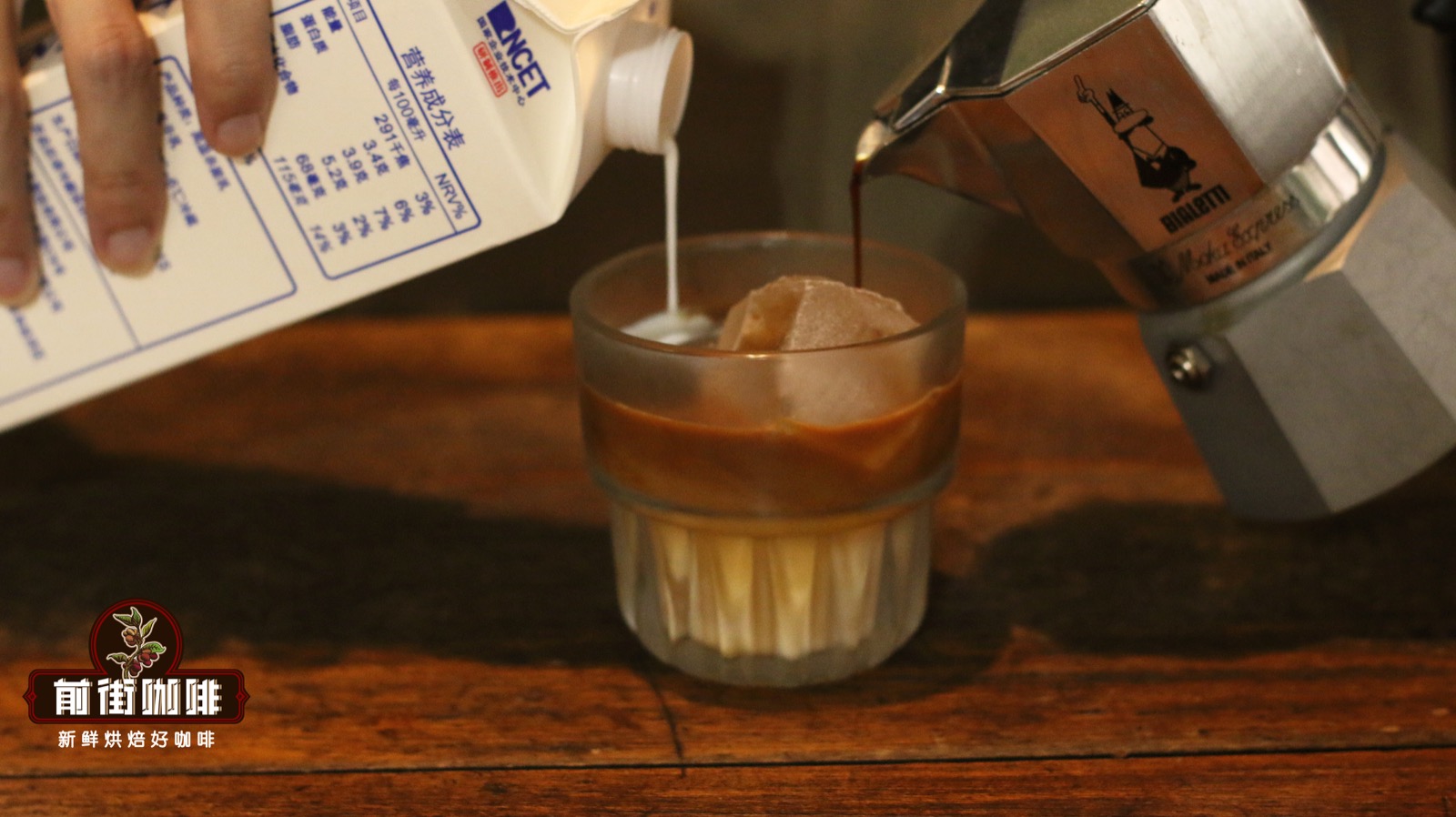
If the shop uses a moka pot, siphon or small batch machine, pay attention to the pressure and flow rate produced by the equipment. A moka pot is more suitable for beans oriented toward nuts, cocoa and caramel; keep the heat gentle and stop heating in time when the liquid turns lighter in color. Commercial Blend or Black Cocoa Blend can both be used for this type of drink; the former is more suitable for everyday large cups, while the latter is suitable for pairing with milk or making intense coffee drinks.
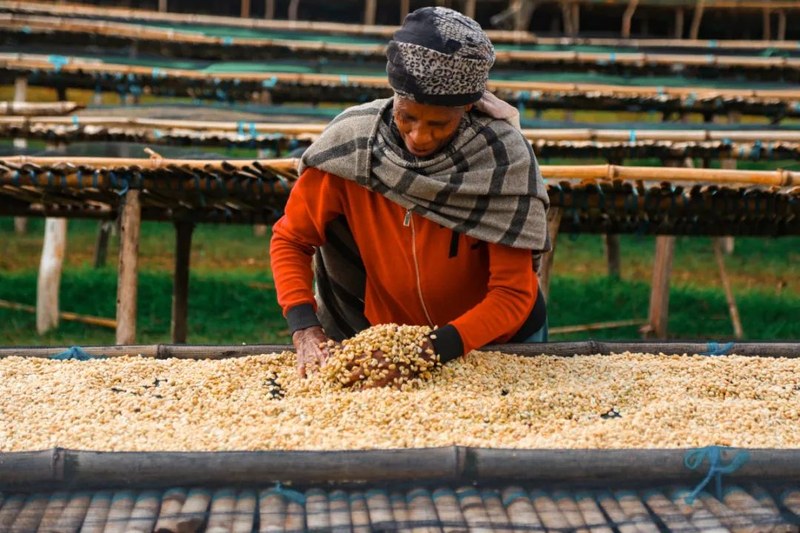
When purchasing, you also need to put the number of machines, bean storage method and average daily consumption into the same table. Espresso beans usually need continuous calibration, while single-origin beans require recording aroma changes at different temperatures; after opening, beans should be portioned and sealed to avoid frequent contact with air. A shop can first determine one bean to carry the basic menu, then add flavor-type beans according to equipment capability, which is convenient for training and also lets customers find a choice to their taste among different ways of drinking.
Related Reading

Comments (0)
Loading comments...
You May Be Interested




Trending Reviews
Popular Videos

With you, wherever you are! We provide useful features to help you find new things you'll love






