Source:Best Coffee > News Author:qjroot Published:2024-11-14 18:25:12
Kenyan coffee has long been known worldwide for its clean, refreshing cup with a thick, bright fruit acidity, and is loved by many coffee industry professionals. Such a rich flavor profile is thanks to Kenya's abundant natural resources. Kenya lies in the "coffee belt" and has a highly suitable climate. Coffee is mainly grown in Kenya's volcanic mountain areas at 1600-2100 m, and the abundant phosphoric acid in the volcanic soil gives the coffee a rich fruit acidity.
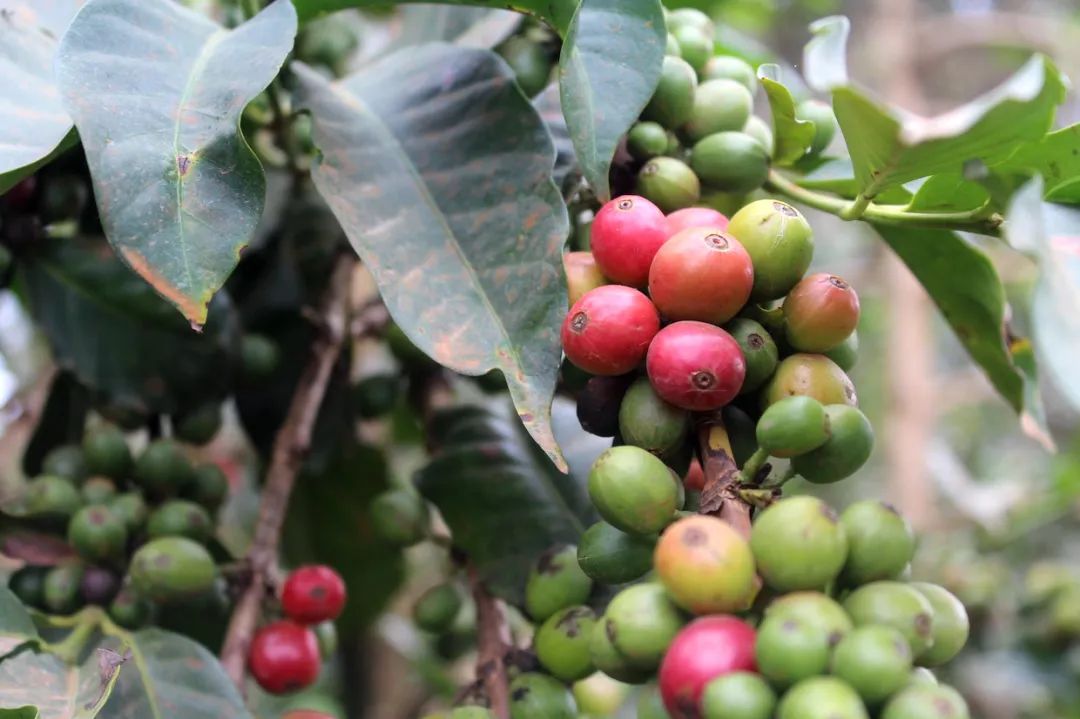
However, besides environmental and climatic conditions, the coffee variety is also very important. Coffee was first introduced to Kenya for cultivation by French missionaries at the end of the 19th century, and the coffee seeds at that time were Bourbon from Reunion Island. Later, Kenya successively introduced varieties such as Kent from India and Typica from Jamaica Blue Mountain for cultivation, but none were ideal, and it was not until coffee varieties that appeared later that Kenyan coffee became world-famous.
The SL Series
Because the introduced varieties had low yields and were susceptible to coffee diseases, Kenya entrusted the Scott Agricultural Laboratories (Scott Laborotary, now known as the National Agricultural Laboratories of Kenya, NARL) with variety selection and breeding. Over the following 4 years, the Scott Agricultural Laboratories selected coffee tree varieties from 42 different origins and studied them in terms of yield, quality, disease resistance and other aspects. These 42 varieties were all named with the prefix SL (the abbreviation of the laboratory's name) plus a number. In the end, among these 42 varieties, SL14, SL28 and SL34 stood out.
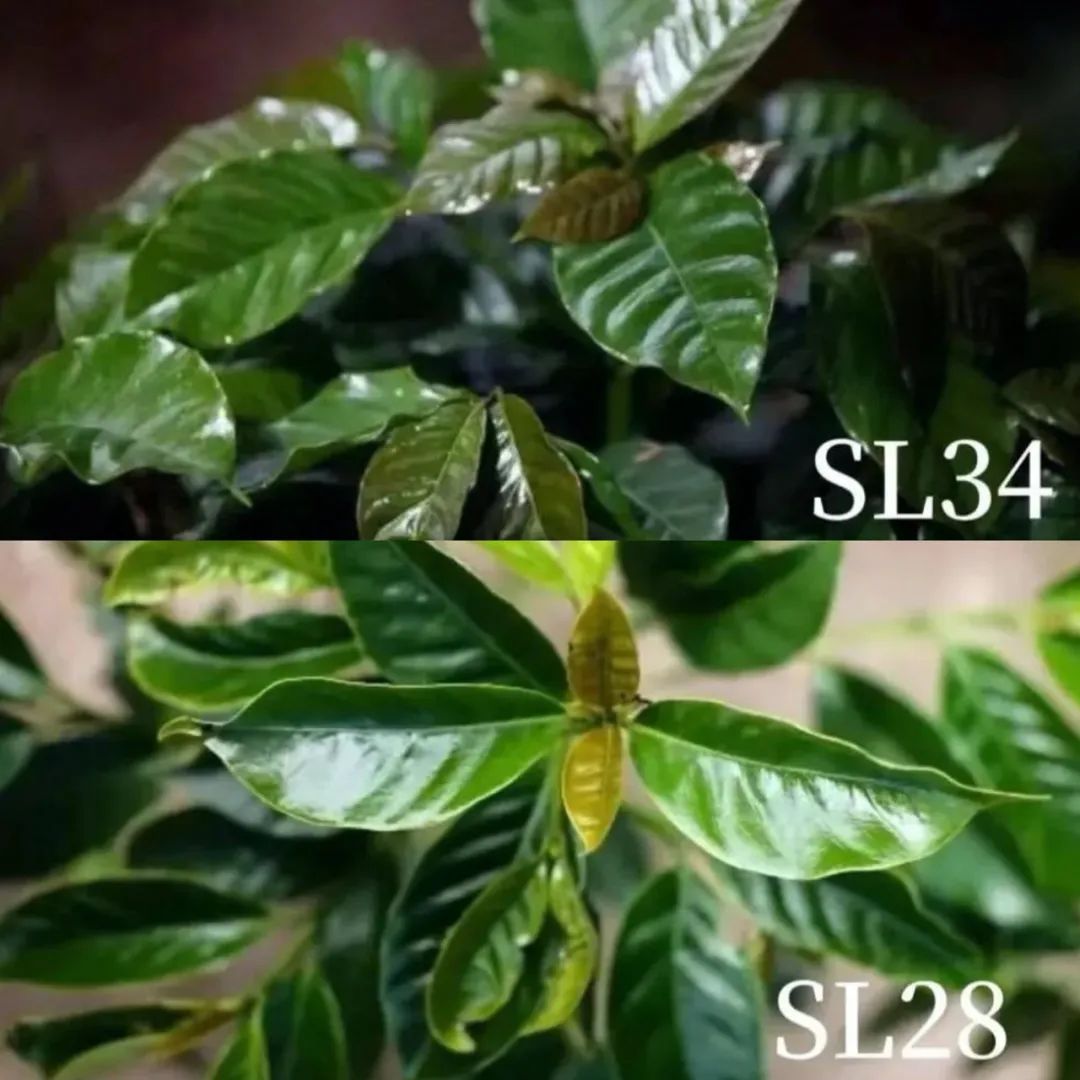
Recent genetic testing has confirmed that SL28 is related to the Bourbon genome, while SL14 and SL34 are related to the Typica genome. Among them, SL28 and SL34 share similar cultivation characteristics: high yield, easy to grow, suitable for cultivation at medium to high altitudes, and excellent flavor. Although both are susceptible to disease, their high yield and excellent flavor make them highly favored by farmers, and these two varieties have also become the most popular varieties in Kenya. SL14, meanwhile, is drought-resistant and high-yielding, but its flavor is slightly inferior to SL28 and SL34, so only a small number of people in Kenya grow it; however, SL14 is relatively widely promoted in Uganda.
Ruriu 11
Although the SL series is very popular, it is highly susceptible to coffee diseases and pests. In 1968, coffee berry disease (CBD) destroyed more than half of Kenya's coffee production, so the government began developing other coffee varieties with greater disease resistance and climate adaptability, including Ruriu 11. This variety is a new variety developed by Kenyan agricultural experts at the Ruiru laboratory, hence the name Ruiru, and it was the first variety developed in Kenya, produced through a single cross, with the two 1s combined making 11.
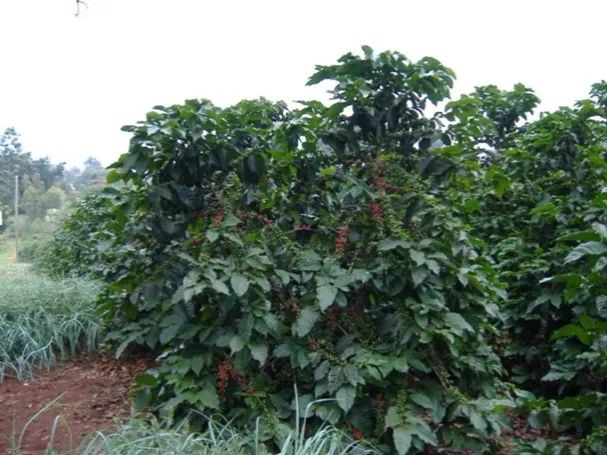
This variety is a composite made up of several varieties including Catimor, Rume Sudan, Bourbon, K7, N39, SL28 and SL34. It has very high disease resistance and also very high yield, but its flavor is still not as distinctive as that of SL28 and SL34, and it requires manual pollination for large-scale planting, so it is difficult to produce enough seeds to meet farmers' needs.
Batian
Later, in 2010, the Kenya Coffee Research Center released a new coffee variety, Batian, which was created by backcrossing the Ruriu 11 progeny with SL28 and SL34. It is a newly re-created composite variety that likewise has high disease resistance and high yield, and its flavor is not bad either, so it was named after Batian, the highest peak in Kenya. Although the Batian variety performs excellently, most Kenyan farmers prefer the traditional SL28 and SL34 varieties, and Batian has not yet been widely planted.
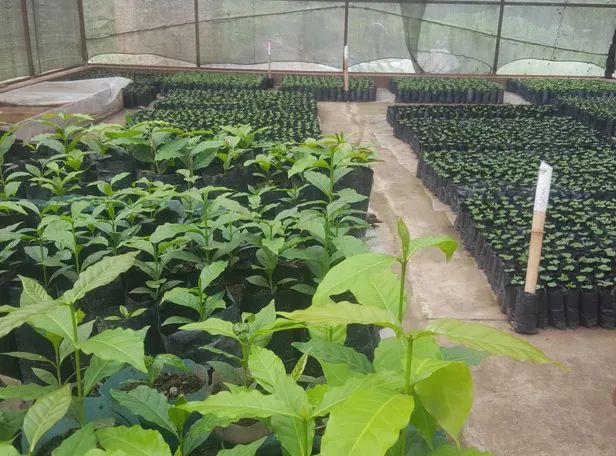
Therefore, Kenyan coffee beans on the market today are still mainly SL28 and SL34. The Kenyan coffee from Qianjie comes from the Thika (Thika) region and uses the SL28 and SL34 varieties, processed with the K72 washed method. After brewing it has flavors of cherry tomato and smoked plum, bright acidity, prominent sweetness, a juicy mouthfeel and a clean cup.
To learn more about coffee origins and news, please scan the QR code to follow: Coffee Review
Long-press the QR code to follow:

Related Reading





Comments (0)
Loading comments...
You May Be Interested





Trending Reviews
Popular Videos

With you, wherever you are! We provide useful features to help you find new things you'll love






