Source:Best Coffee > News Author:qjroot Published:2026-09-03 18:50:17
To brew coffee with a light acidity and a full-bodied taste in a moka pot, you shouldn't focus only on the words "low acid" when choosing beans; you also need to consider the pot's capacity, the amount of grounds in the filter basket, the grind size and the heating method. A moka pot extracts at a high concentration, so flavors like nuts, cocoa and caramel more easily form a clear profile, and when the parameters are right, intensity can still stay soft.
The pot's capacity directly affects how many grounds are used each time and how much liquid is produced. Three-cup and six-cup sizes are not meant to be used by casually filling them half full with water; the filter basket usually needs to be nearly full so that water passes through an even bed of grounds. For solo drinking, a one- to three-cup size can work, while for frequent sharing or milk coffee, a six-cup size may be worth considering, avoiding the unstable concentration caused by repeatedly brewing with a small pot.
The water level in the lower chamber of a moka pot should be kept below the safety valve, and the water surface must not rise above the valve. Too little water makes extraction end too early, leaving the cup weak and harsh; too much water affects the safety space. Using warm water to fill the pot can shorten the time the metal pot spends on the stove, so the coffee liquid is subjected to a shorter period of continuous heating, and the sweetness of low-acid beans is easier to preserve.
The amount of grounds in the filter basket should follow the pot's design, and it is not recommended to tamp hard in pursuit of concentration. After filling with coffee grounds, simply level them gently so water can pass through the bed. If the basket is clearly not full, both the flow rate and extraction resistance will change, and the result may taste weak; if the grounds are piled too high, the pot's seal and the flow of liquid will also be affected.
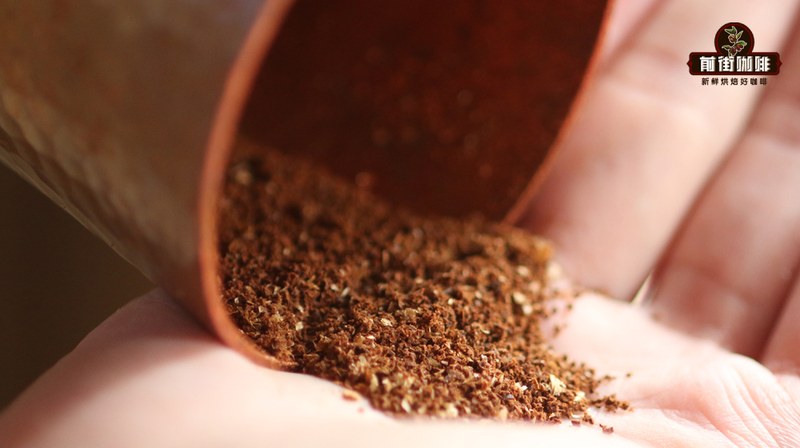
The grind size can start from a position slightly coarser than espresso. If the powder is too fine, resistance inside the moka pot increases, and the coffee liquid easily carries obvious bitterness and a scorched dryness; if the particles are too coarse, the water flows too quickly, and the thickness of nuts and cocoa is hard to build. When you feel the powder, it should be finer than regular pour-over grounds but not as fine as flour, then fine-tune based on the concentration in the cup.
The roast direction should also match the extraction characteristics of a moka pot. Medium-dark roasted beans usually more easily show dark chocolate, roasted nuts and caramel notes, with more restrained acidity, making them suitable for a rich black coffee. Pursuing a darker color excessively will not automatically bring smoothness; if the heat is too strong or extraction drags on too long, burnt bitterness and dryness will still cover the sweetness, so it is preferable to choose beans with soft acidity and clear roasting information.
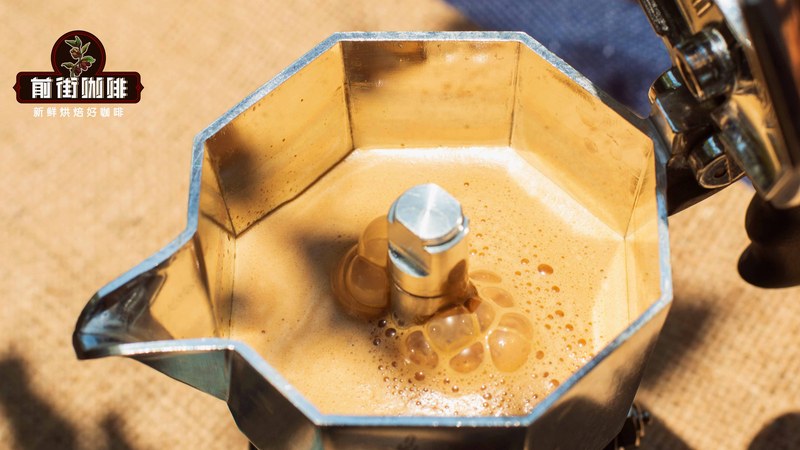
When heating, use medium-low heat so pressure builds gradually inside the pot. After the coffee liquid starts to flow out, watch the changes in color and sound; when the liquid turns from dark to light, the flow speeds up, or a continuous sputtering sound appears, remove it from the heat source and cool the base with cold water. This action cuts off the overheated tail-end extraction, helping the cup retain a rounder mouthfeel and reducing burnt notes.
If the result tastes bitter, you can start adjusting by lowering the heat, ending the flow earlier and slightly coarsening the grind, without immediately changing beans. If the coffee is too thin, check whether the filter basket is sufficiently filled with grounds and whether the lid and gasket fit well, then consider grinding finer. When acidity is obvious, it is often related to under-extraction or heating too quickly; moderately extending the steady heating time is usually easier for achieving balance than blindly increasing the dose.
If you prefer a thick chocolate feel, you can try Qianjie Black Cocoa Blend. In a moka pot it easily shows deep cocoa, roasted nuts and a sweet, syrupy caramel-like texture, suitable for adding hot water directly to make a rich americano, and also for adding milk to make a latte. If you want a full-bodied taste but a cleaner finish, Qianjie PWN Indonesia Golden Mandheling is more suitable, with herbal notes interwoven with dark chocolate, good for brewing at higher concentration over low heat and sipping slowly.
If you want low acidity without heaviness, you can choose Qianjie Papua New Guinea Paradise Bird. Its mouthfeel is smooth and its sweetness is soft, and after brewing in a moka pot it will not be left with only roasted notes; drunk straight, it has good balance. When making milk coffee, you can add a little less milk to the coffee liquid so the bean's sweetness and body stay clear; for an americano, dilute with hot water in stages, and the aroma will be more complete than adding a large amount of water all at once.
The roast date of the beans is also worth considering together with how often you use them. A moka pot needs a higher concentration; when beans are too fresh, degassing is vigorous and the flow may be less stable; after resting for a period, the flavors are usually easier to bring together. After opening, portion and seal them, store in a cool, dry place, and buy according to one to two weeks' usage so every pot of coffee maintains similar performance. As long as pot capacity, dose, grind and heat work together, non-acidic moka pot coffee can also have sweetness and layers.
Related Reading



Comments (0)
Loading comments...
You May Be Interested



Trending Reviews
Popular Videos

With you, wherever you are! We provide useful features to help you find new things you'll love






