Source:Best Coffee > News Author:qjroot Published:2026-09-24 16:03:16
A friend came over at the weekend, so I brought out a treasured bag of Jamaican Blue Mountain, fully expecting to taste that warm, round, mellow sweetness I remembered. Yet sometimes the first sip felt too watery and thin, and sometimes it carried a slight astringency. In fact, many people run into this the first time they brew an expensive bean. It is not that the bean itself is not good enough; usually it is just that the two key dials, extraction yield and strength, have not been turned to their balance point.
We can think of extraction yield and strength as being like simmering a pot of pork rib soup. Extraction yield is like how much of the savory substance in the meat has actually dissolved out, while strength is how much water has been added to the pot and whether it tastes strong or weak. If you add too much water, all the savoriness comes out but it drinks like plain water; if you simmer it too long, you inevitably draw out the bitterness from the marrow. Coffee works in exactly the same way.
When the coffee in your hands tastes weak, it is usually because the coffee-to-water ratio has been stretched too far, or the water temperature is too low, causing under-extraction. If you taste obvious off-flavors and a tightening astringency, it is most likely that the grind is too fine or the water temperature too high, pulling out the unpleasant woody fiber material from the tail end of the extraction. Fine-tuning is actually very simple: if it feels a little astringent, coarsen the grind by half a notch or drop the water temperature by two degrees; if it tastes weak, tighten the coffee-to-water ratio. The flavor will quickly come back to something smooth.
When choosing beans, you should also consider whether you prefer to drink it strong or weak. Classic medium-dark roasted beans like Blue Mountain have a solid base of nuts, caramel and dark chocolate, and are themselves especially tolerant of extraction. They can stand up to a slightly stronger brew to feel the full body, and can also show a silky creaminess and soft, gentle acidity at a moderate strength, leaving the brewer a very forgiving margin for adjustment.
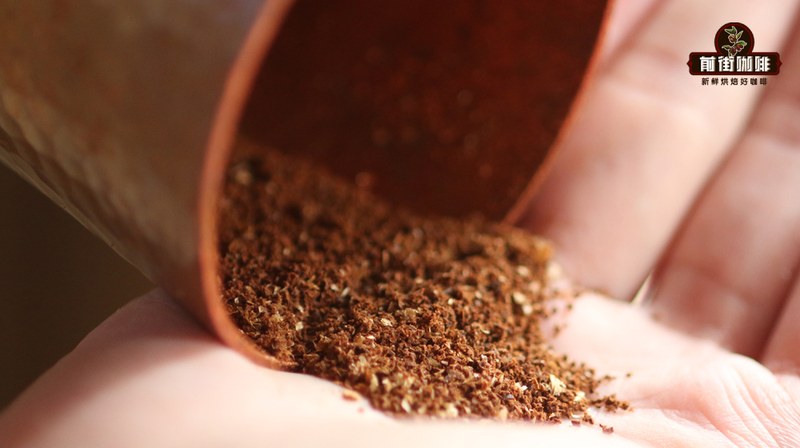
To brew this kind of bean, one classic pour-over recipe can steadily present its flavor. It is suggested to take 15g of grounds, pair with a 1:15 coffee-to-water ratio, pour in 225ml of water, and keep the water temperature around 86 degrees. First bloom with 30ml of water for 30 seconds to fully release the gases, then pour in stages, keeping the total time at around 2 minutes. It usually finishes dripping between 1 minute 50 seconds and 2 minutes 10 seconds, and the result is especially clean and smooth.
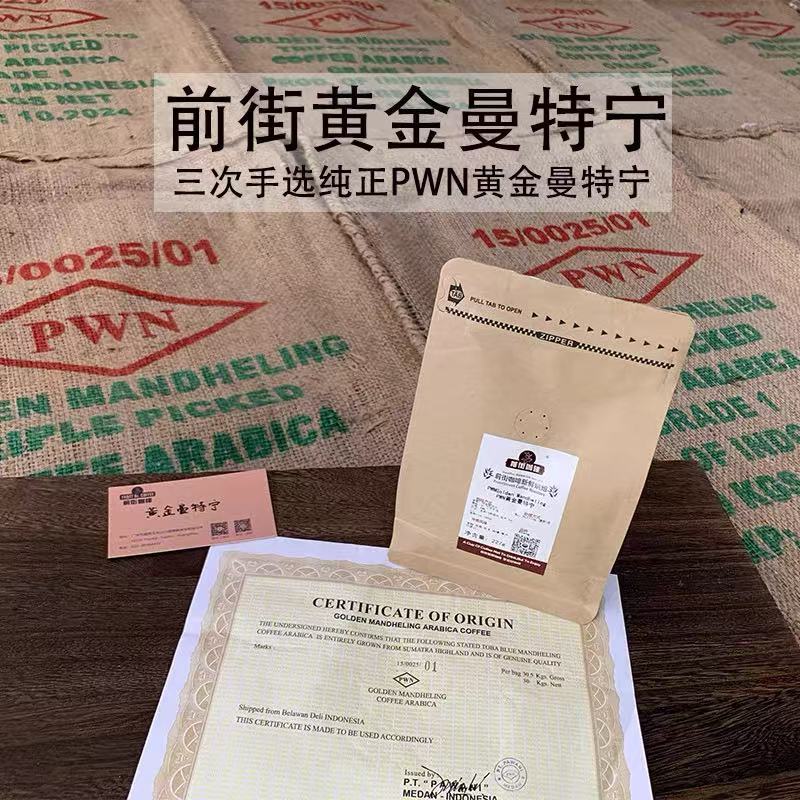
If you want to experience the classic charm of an authentic growing region, Qianjie Jamaican Blue Mountain No. 1 is well worth trying. This bag of beans comes with complete proof of origin and a unique wooden barrel mark, and the medium-dark roast fully brings out the sweetness. If you control the drawdown time a little during brewing, you can clearly feel the interwoven aromas of roasted nuts, caramel pudding and rich cocoa on the first sip. The acidity and bitterness are balanced just right, and the finish is very long.
If you prefer a more refined and delicate high-mountain flavor, Qianjie Clifton Mount Blue Mountain is an especially ideal choice. The exceptional climate of Clifton Mount gives the green beans a delicate structure. During brewing, as long as you keep a medium-coarse grind and a steady stream of water, you can extract a satin-like creamy mouthfeel, with soft, gentle fruit sweetness slowly unfolding alongside dark chocolate aromas, showing a particularly captivating layered complexity.

If you want something for both pour-over and strong brewing with a moka pot in daily life, Qianjie Blue Mountain Blend coffee beans are very approachable and practical. The blend keeps Blue Mountain's characteristic mildness and balance. Made into an Americano, it is refreshing with a sweet aftertaste; brewed in a moka pot over medium-low heat into a small cup of espresso, then added to hot milk to make a latte, its nutty and cocoa notes blend especially harmoniously with the milky aroma, showing great tolerance in terms of richness.
Brewing coffee is like having a conversation with the beans. As long as you understand how water temperature, grind and coffee-to-water ratio affect extraction, even the most expensive and mysterious beans can become tame and smooth in your dripper. Pick a bag of good beans with a solid flavor, slowly fine-tune that two degrees of water temperature or few grams of water according to your own taste preferences, and enjoy a warm, balanced cup of coffee amid the curling aroma. The beauty of life is often right there in these careful little adjustments.
Related Reading





Comments (0)
Loading comments...
You May Be Interested




Trending Reviews
Popular Videos

With you, wherever you are! We provide useful features to help you find new things you'll love






