Source:Best Coffee > News Author:qjroot Published:2026-09-22 14:01:28
Many people bring a moka pot home, admire how small and refined it looks, yet often agonize over which beans to choose and what heat to use for brewing. In fact, as long as you select along the thread of origin terroir, the moka pot can be like a magical vessel, condensing the sunshine and rain of every continent into a single sip of mellow fragrance. Whether you want bright floral and fruity sweetness, or dependable nutty and cocoa notes, the distinctive terroirs of each region have long since offered moving answers.
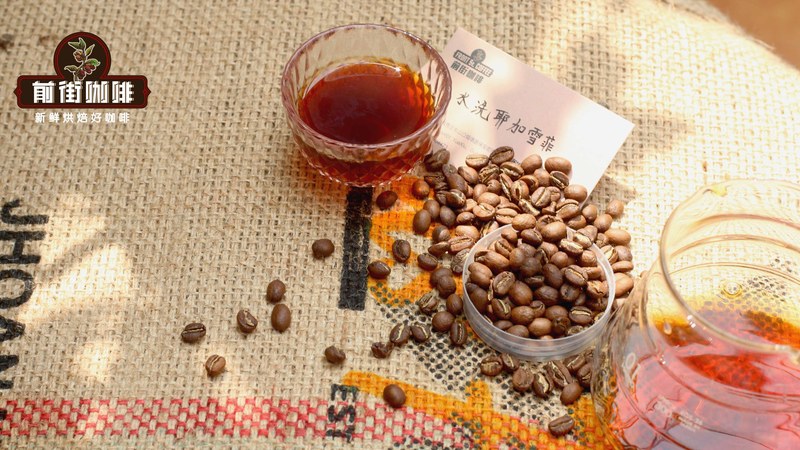
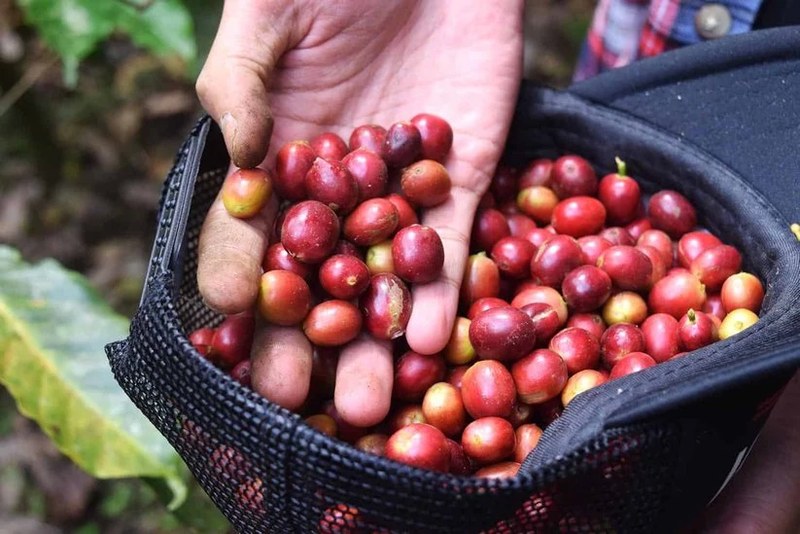
The Central and South American regions can be called the balance masters of the coffee world; abundant sunshine gives the beans a gentle nutty and caramel sweetness. For friends who like this easy-drinking experience, Qianjie Brazil Queen Estate is an especially heart-stirring choice. Because Yellow Bourbon has a thick mucilage layer, natural processing lets the sugars fully soak into the green beans, and brewed in a moka pot it is like melted creamy peanut brittle, with a clean sugarcane sweetness in the finish.
If you are after a more stable everyday staple, blends from Central and South American regions can also bring a full sense of reassurance. Qianjie Specialty Blend uses high-quality beans from Brazil and Colombia, and through medium-dark roasting brings out a clean, balanced dark chocolate and roasted nut aroma. Its crema performs well and has no harsh off-flavors; whether you taste the rich flavor directly or add hot milk to make a milk coffee, it restores the dependable feeling of a cafe.
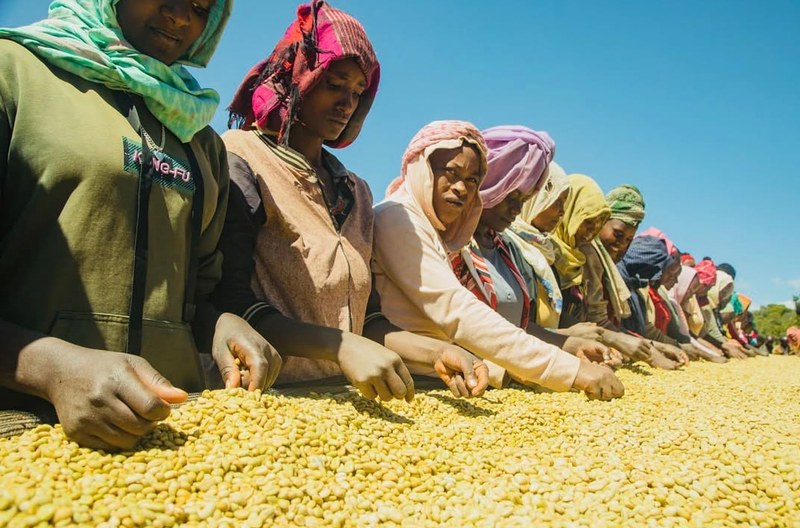
Many people think a moka pot can only make deep flavors, but in fact blending in the nimble terroir of African regions can produce surprisingly stunning fruit aromas. Ethiopia, as the birthplace of coffee, carries bright floral notes and citrus acidity. Qianjie Strawberry Candy Espresso Blend combines the flavors of Ethiopia and Costa Rica Tarrazu honey processing; under moka pot extraction it not only has dense crema but also carries a strawberry gummy-like sweet acidity.
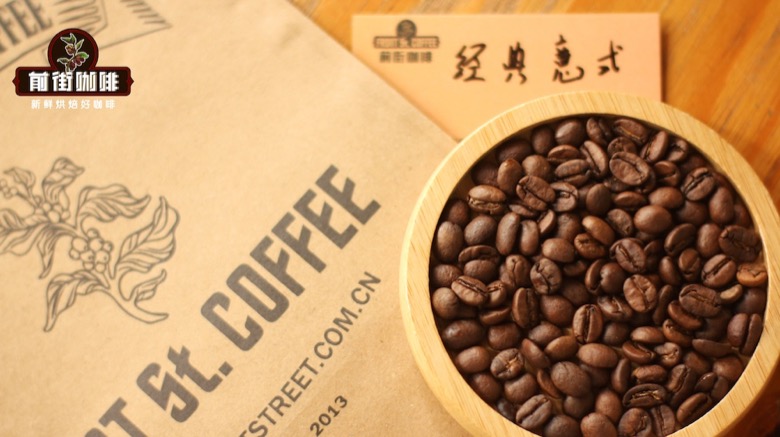
Turning to Asian regions, Indonesia Mandheling's unique wet-hulling method injects coffee with a thick herbal and woody spice aroma. For beginners who love heavy crema and powerful flavors, Qianjie Classic Blend is a good choice. It cleverly combines Mandheling's deep herbal aroma with the smoothness of Brazilian beans, and adds Robusta to boost body and crema, so the support when making latte art is especially reassuring.
After choosing your favorite terroir beans, grind size is the key step for successful extraction. Moka pot coffee grounds are roughly between 0.3 and 0.55 mm, finer than pour-over but slightly coarser than espresso, and when rubbed between your fingertips they feel like fine granulated sugar. If the grind is too coarse the water will gush through too quickly; if too fine it easily clogs the lower chamber's heating channel. By fine-tuning two or three times based on the flow, you can figure out your own grinder's temperament.
As for what heat source to use for brewing coffee with a moka pot, an electric ceramic stove is a highly recommended device, as the panel heats evenly and heat adjustment is very responsive; if it is an induction cooker, you need to confirm whether the bottom of the moka pot has magnetic conductive material; if using an open flame such as a gas stove, you must add a small trivet to stabilize the pot. When brewing over an open flame, maintain medium-low heat and watch it the whole time, to prevent flames from licking up and burning the handle or scorching the coffee grounds.
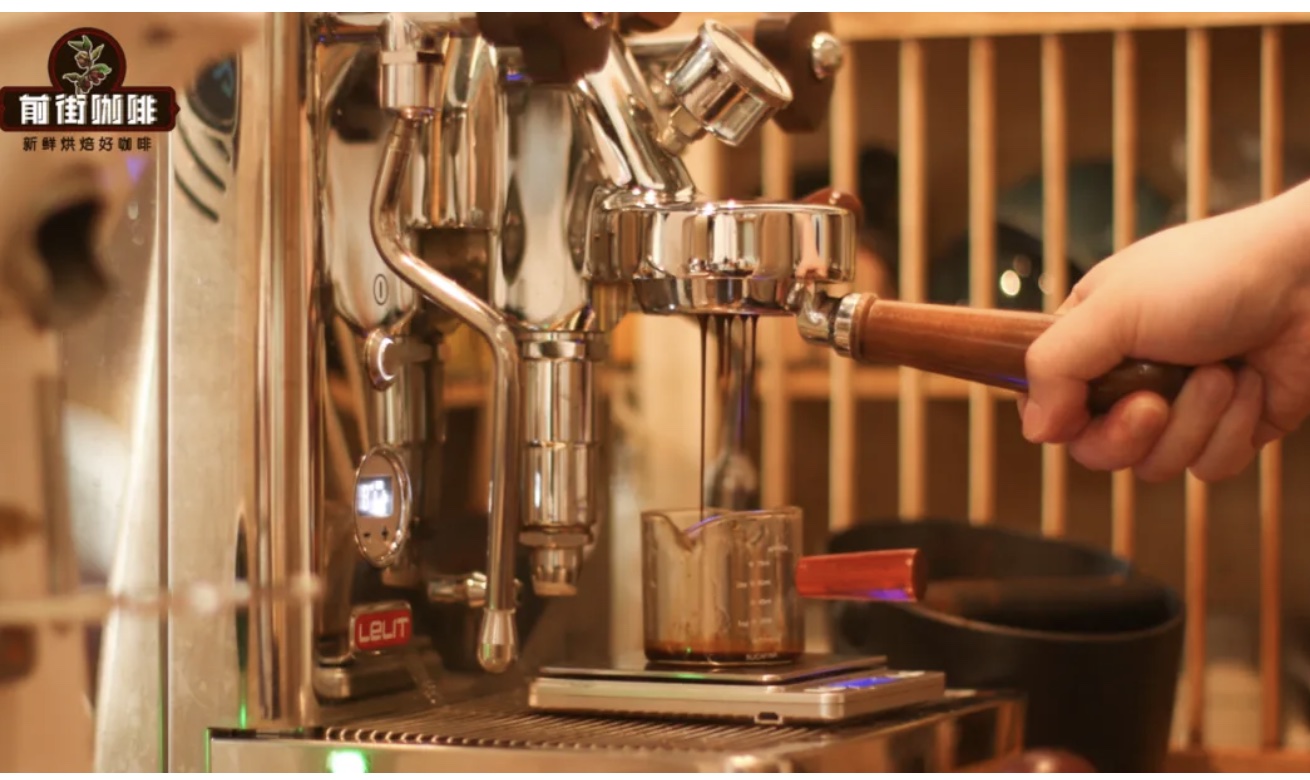
The details during actual extraction are also simple. Pour 80 to 140 ml of water into the moka pot's lower chamber, keeping the water level below the safety valve. Level the grounds in the basket gently, place it into the lower chamber, screw the body tight, and place it on the heat source to heat over medium-low heat. Usually between 1 minute 15 seconds and 2 minutes 30 seconds of flow, richly crema-topped coffee liquid will emerge steadily; when the flow reaches half, turn off the heat and use the residual pressure inside the pot to finish a gentle extraction.
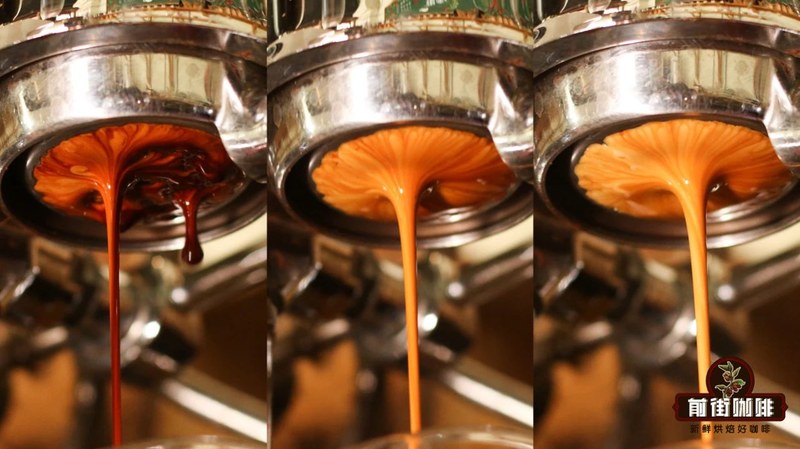
Watching the moka pot slowly send up tempting caramel-colored crema, the whole room is quietly filled with the terroir aromas of distant origins. Whether it is the high, bright floral and fruity notes of Africa, or the warm, mellow nuts of the Americas, as long as it is paired with suitable heat and grind, this little pot can make everyday mornings especially abundant, easily brewing nature's wondrous flavors into every cup you casually pick up.
Related Reading

Comments (0)
Loading comments...
You May Be Interested



Trending Reviews
Popular Videos

With you, wherever you are! We provide useful features to help you find new things you'll love






