Source:Best Coffee > News Author:qjroot Published:2026-09-19 12:19:50
Dark roast coffee has always been known for its solid, full-bodied richness, with intense aromas of roasted nuts, caramel and dark chocolate that always bring a satisfying sense of reassurance in the morning or afternoon. However, when choosing this type of coffee bean, you often face two completely different flavor directions: single origin and blend. They are not simply a matter of better or worse, but from the very combination of raw materials, they point to entirely different flavor concepts and drinking pleasures.
Single origin coffee beans, even after relatively thorough heat-driven dehydration, remain centered on expressing the terroir signature of a specific region. Green beans from a single estate or a specific micro-region often carry varietal characteristics that cannot be replicated. If they are roasted to a darker level, this can both weaken the raw, sharp acidity and catalyze the originally understated ripe berry sweetness, allowing the whole cup to reveal a personality-rich aroma range beneath its deep base.
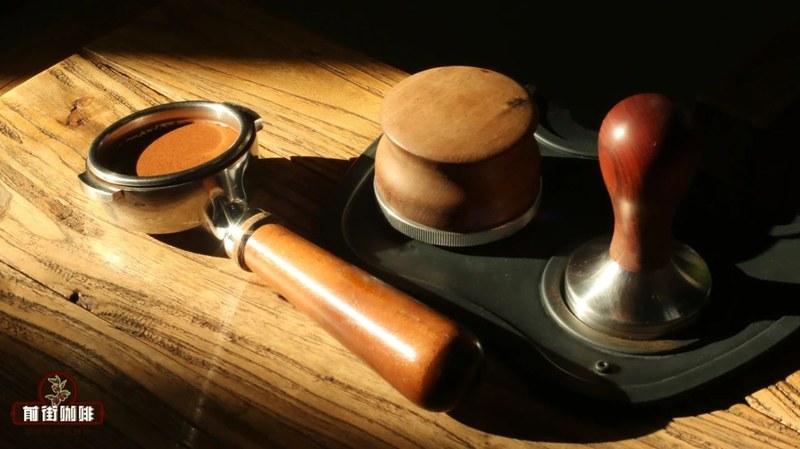
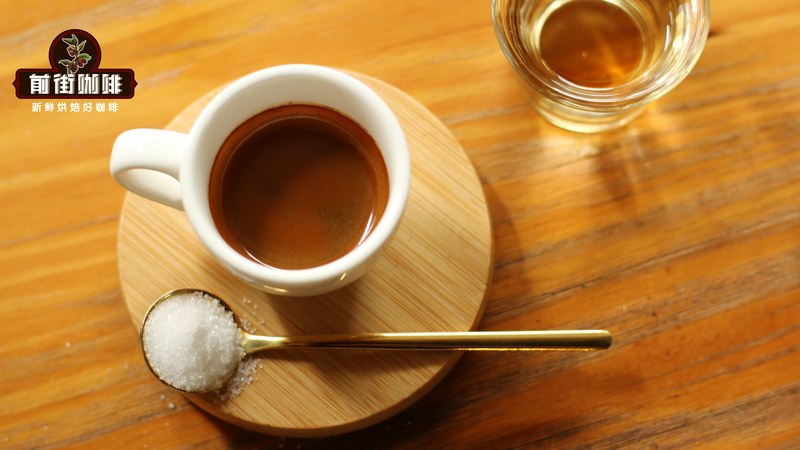
If you want to experience the flavor explosive power of a single region on an espresso machine, Qianjie Colombia Sidra is very representative. This bean itself contains vivid notes of passion fruit, purple grape and ripe apricot, and when made into an SOE espresso, its juicy texture is extremely abundant. Use a French press filter bowl to load 18.5g of finely ground coffee, perform low-pressure pre-infusion followed by constant-pressure extraction, and extract 37g of espresso within 26 seconds. The entry is full of sweet acidity with no astringency at all, and it is especially refreshing as an iced americano.
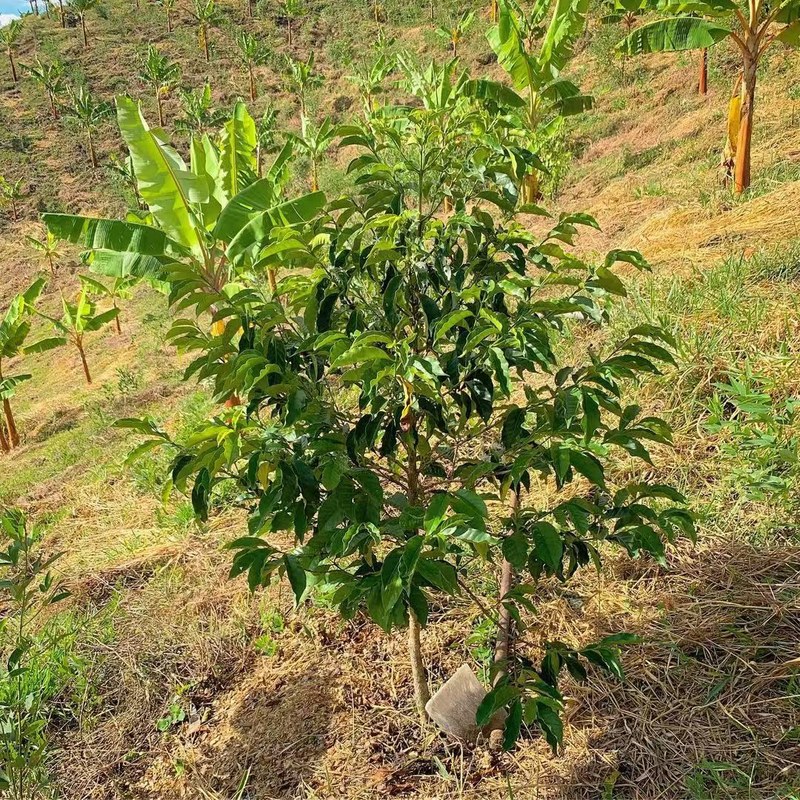
Unlike single origins that emphasize regional individuality, traditional dark roast blends pursue a highly coordinated overall sense. By combining green beans from two to three regions with different characteristics, the roaster makes up for shortcomings and fills in the flavor gaps that a single bean type may have. The goal of blended beans is usually to build a broad sweetness, a steady bitter-sweet balance and abundant crema, making them very suitable for stable daily brewing.
Reading the recipe sheet of a blend is actually quite interesting. The large proportion in the recipe is usually the base bean, such as bulk regional beans often known for nutty and chocolatey tones, used to support the body and richness of the whole cup; the smaller proportion is often responsible for providing delicate sweetness or brightening the aroma. Understanding the proportion of different origins in the recipe allows you to roughly predict the flavor framework it will produce before even opening the bag.
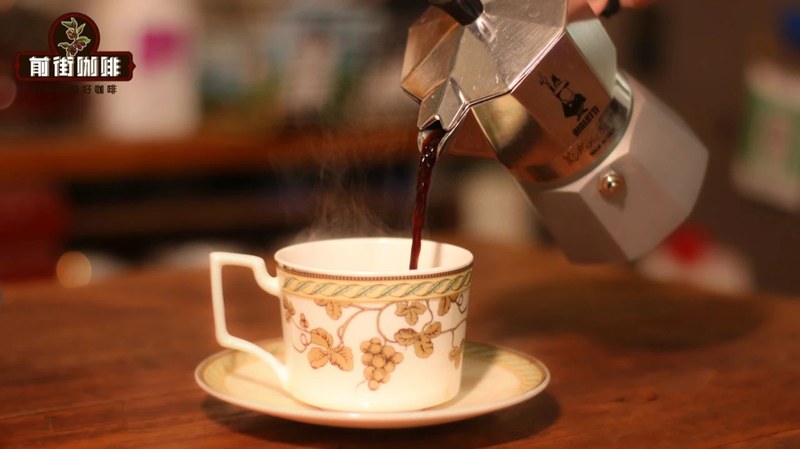
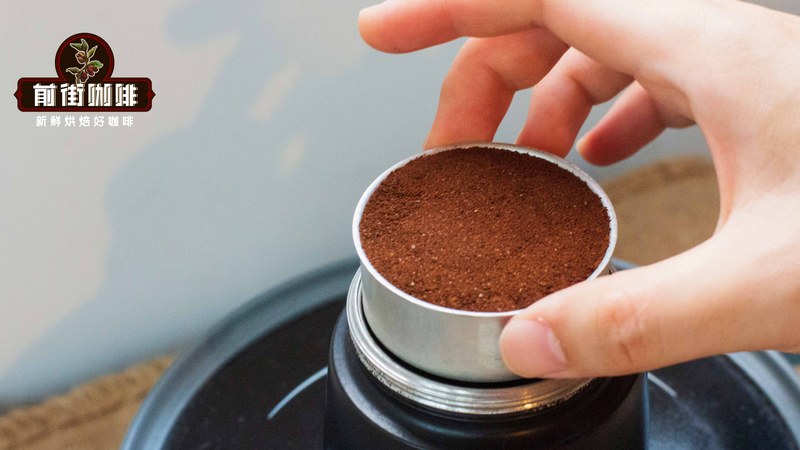
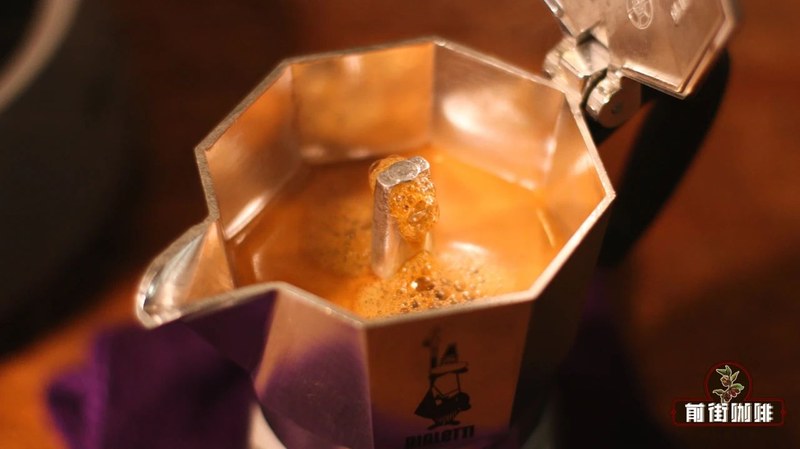
For people who like to make strong coffee with a moka pot in daily life, dark roast blended beans are an extremely compatible companion. The moka pot's high-temperature steam extraction can quickly bring out the caramel and cocoa aromas in the recipe. Pour 110ml of water into the lower chamber, fill the filter basket evenly with coffee grounds without pressing, place it on the stove and heat over medium-low heat for 1 minute 40 seconds. As the coffee liquid flows out steadily, the crema is fine and golden, and after pouring it out the aroma is rich and striking. It is smooth whether drunk directly or diluted with water.
Friends who like hand-brewed black coffee can also try brewing dark roast single origin with a gentle method to experience a clean caramel sweetness. Use 15g of medium-coarse ground coffee, pair it with 88°C water, and prepare 225ml of water at a 1:15 ratio. Use a three-stage pouring method: first pour 35ml of water for a 30-second bloom, then steadily pour to 130ml, and after the liquid level drops slightly, pour the remaining water to 225ml, with the total time controlled at 2 minutes 05 seconds. The entry is warm and sweet, with very few off-flavors.
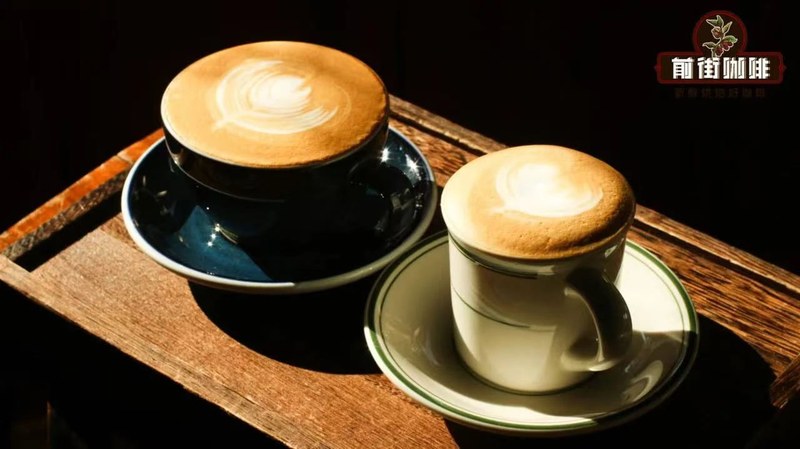
In daily drinking, the division of labor between these two directions is very clear. If you prefer black coffee, piccolo or a small-cup americano, and want to capture lively fruit acidity and multiple aroma layers, single origin dark roast or SOE can bring rich interest; if you are used to filling a large mug every day with rich oat milk or fresh milk to make a latte, traditional dark roast blends can steadily cut through the milk foam, blending nutty and milky aromas together without becoming tiresome over time.
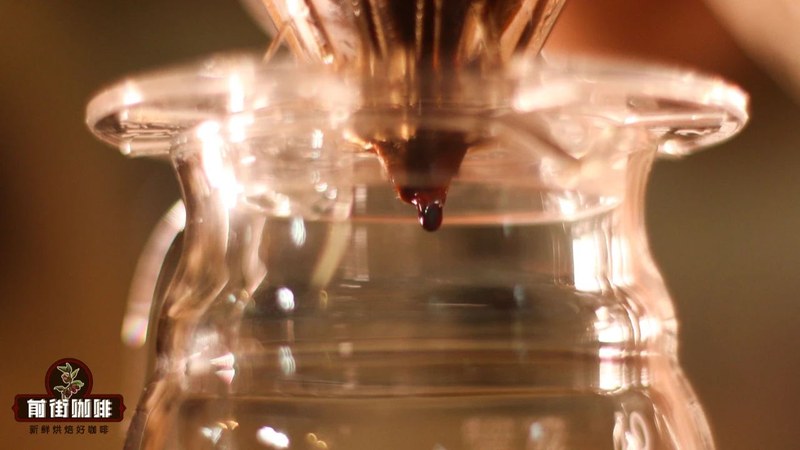
Of course, if you occasionally want to change your palate from the heavy dark roast atmosphere and experience a completely opposite light style, single origin beans can also provide rich possibilities for contrast. For example, Qianjie Yirgacheffe Gutingding shows lively citrus and ripe berry aromas, accompanied by a delicate aftertaste like green tea. Tasting this clean, sweet floral-fruity direction alternately with the rich, full-bodied dark roast direction can help people more deeply appreciate the charm of single origin terroir.
The choice of coffee ultimately depends on personal lifestyle rhythm and in-cup preference. Clarify the brewing equipment you commonly use, think clearly whether you look forward more to a cup with varied regional flavor layers or a warm, dependable daily strong coffee, and by following this line of thinking to choose the corresponding single origin or blend recipe, you can easily find the comforting taste that accompanies your every morning and afternoon.
Related Reading
Comments (0)
Loading comments...
You May Be Interested

Trending Reviews
Popular Videos

With you, wherever you are! We provide useful features to help you find new things you'll love






