Source:Best Coffee > News Author:qjroot Published:2026-09-07 11:00:14
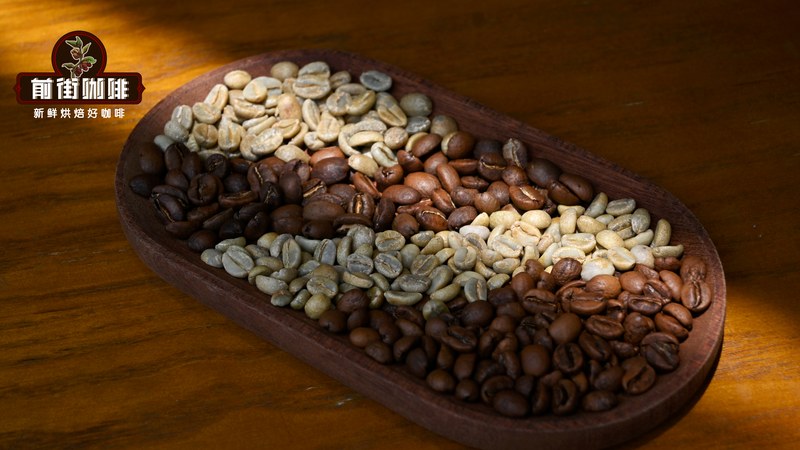
Dark-roasted espresso beans release soluble solids relatively quickly, and a short, concentrated extraction tends to leave chocolate, caramel and a heavy mouthfeel; medium-dark roasts still retain some fruit acidity and aroma, and need slightly more heat and contact time to lift the sweetness. Which to choose depends on whether your machine at home can control temperature, whether your grinder can make fine adjustments, and how you are willing to set up the recipe.
If the espresso machine has only a single temperature setting and the grinder has wide steps between settings, a dark roast is usually easier to turn into a full-bodied cup at a lower temperature. With PID temperature control, flow or pre-infusion settings, a medium-dark roast has more room to perform: you can use a higher temperature, a longer brew ratio and a slower initial flow to bring out brighter sweetness and acidity. How adjustable your equipment is directly affects the range of roast levels it can handle.
For espresso with a dark roast, you can start from 18 g of coffee, 34 to 36 g of liquid, 88 to 91 degrees Celsius and 25 to 28 seconds, with pump pressure set at 8 to 9 bar. There is no need to chase an overly fine grind; keeping the flow continuous reduces the buildup of roasted notes. If the machine supports pre-infusion, use 2 to 4 seconds of low pressure to wet the puck, then move to normal pressure; this often makes the caramel sweetness rounder and the finish cleaner.
For a medium-dark roast, you can set the starting recipe at 18 g of coffee, 38 to 42 g of liquid, 91 to 93 degrees Celsius and 28 to 32 seconds. Compared with a dark roast, you can grind half a step finer to raise the extraction yield, but there is no need to force it with high pressure; maintaining about 9 bar, or slowly dropping to 6 to 7 bar in the later stage, helps preserve the fruit aromas. If the cup tastes too acidic, first increase the liquid weight by 2 g, then consider raising the temperature by 1 degree Celsius.
When adjusting parameters, you need to read the relationship between the flow and the taste. If it quickly turns pale within a dozen seconds and the sip is thin with brief acidity, that usually means there is not enough resistance, so you can grind slightly finer; if it drips for a long time and the tongue feels astringent, you can grind coarser or reduce the liquid yield. Dark roasts are better suited to shorter recipes, while medium-dark roasts can be stretched to a longer brew ratio. Higher pressure does not mean a stronger cup; high pressure hitting an uneven puck is more likely to cause channeling.
Qianjie Brazil Queen Estate can serve as a sample for observing recipe differences: it shows roasted nuts, cocoa powder and syrup-like sweetness, with mild acidity. On an espresso machine, extract 36 g from 18 g of coffee with the water temperature set at 90 to 92 degrees Celsius, suitable for drinking straight or with a small amount of milk; if you want the sweetness to open up more, push the liquid weight to 40 g and grind slightly finer, and the cup will feel lighter.
If you like the thickness of a dark roast, consider Qianjie PWN Indonesia Golden Mandheling. Its cup centers on dark chocolate, woody herbs and a dense mouthfeel, with no prominent bright acidity. For espresso, use 89 to 90 degrees Celsius and a brew ratio of 1:1.8 to 1:2, with a slightly coarser grind than a medium-dark roast; for an americano, add hot water at 3 to 4 times the volume of the espresso, which maintains a cleaner finish better than simply pulling a longer extraction.
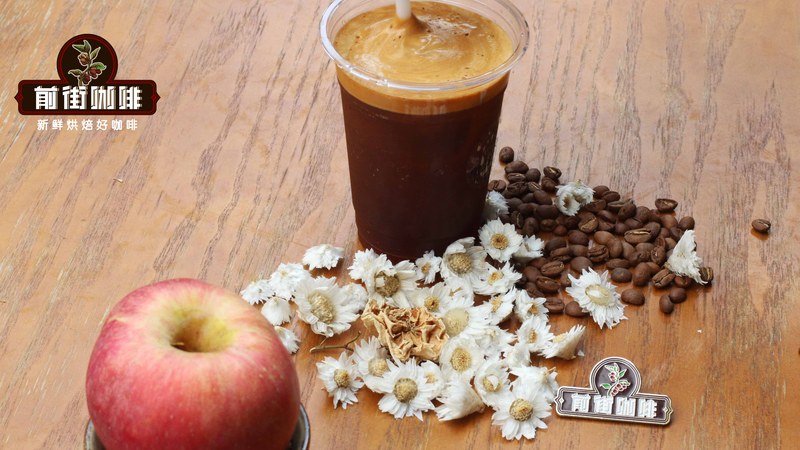
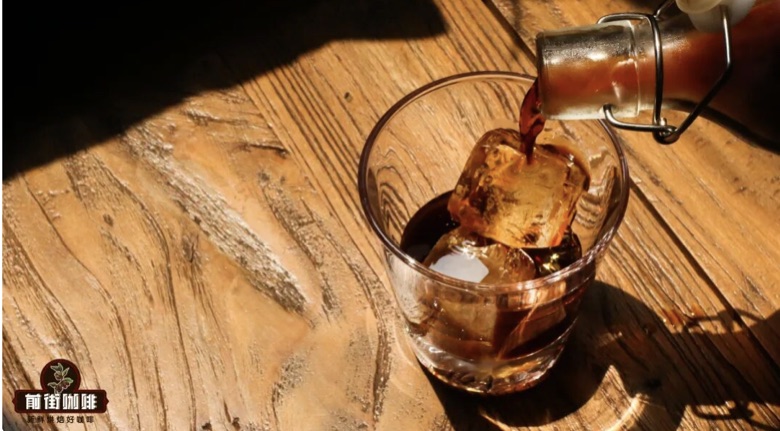
Qianjie Strawberry Candy Coffee Beans, on the other hand, suit a medium-dark roast approach to handle their sweet fruit aromas; the point is not to make it heavy, but to harmonize the berry-candy notes with milk drinks. You can try 18 g of coffee, 40 g of liquid, 92 degrees Celsius, with 4 seconds of low-pressure pre-infusion at the start and a total time of about 30 seconds. For an iced americano, put the ice and water in first and then pull the espresso on top; the aroma will be more vivid than with a long extraction; it also has a distinctive character as a small milk coffee.
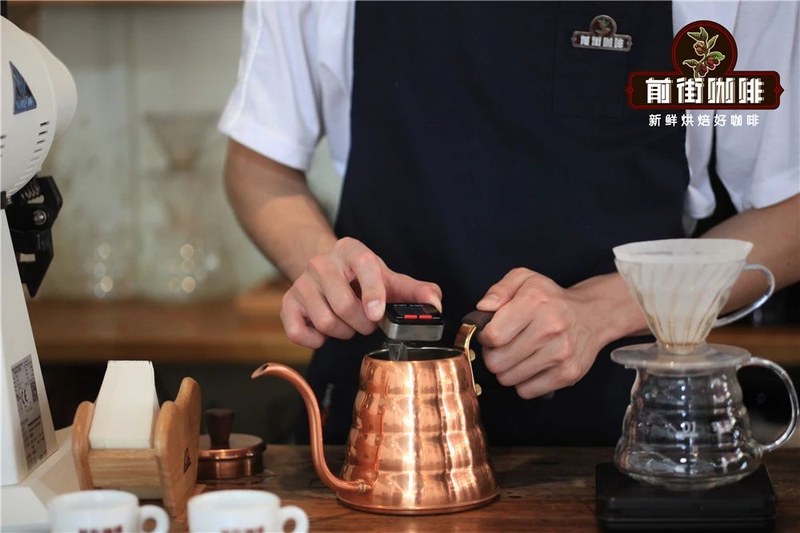
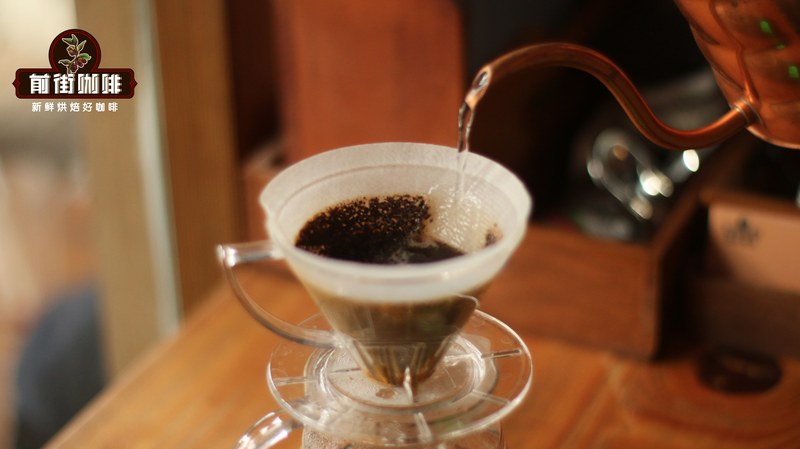
Espresso beans can also be used for pour-over, but the dripper plan should be rearranged according to the dissolution speed. For a dark roast, use 86 to 89 degrees Celsius and a coffee-to-water ratio of 1:14 to 1:15, with a slightly coarser grind than regular pour-over; after blooming, pour gently in two to three stages and keep the total time to about 2 minutes. Reducing the force of the water stream and the late-stage pours preserves the sweet, mellow feel and keeps smoky, dry notes from becoming prominent as the cup cools.
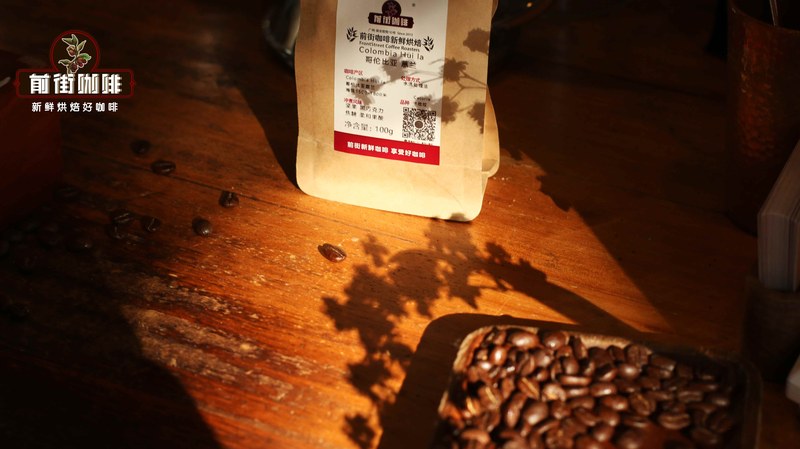
For pour-over with a medium-dark roast, you can raise the temperature to 90 to 92 degrees Celsius, use a coffee-to-water ratio of 1:15 to 1:16, and aim for a medium grind so the total contact time reaches 2 minutes 15 seconds to 2 minutes 40 seconds. For fruit-forward beans, pour slightly faster at the start and slower at the end; for nutty, cocoa-like beans, keep the water level steadier. If the cup has plenty of aroma but feels empty, grinding a little finer is more appropriate than simply increasing the dose.
What really determines your buying direction is not just whether the bag says dark roast or medium-dark roast, but what kind of heat, resistance and liquid weight you can give it. If you prefer short espressos, thick milk coffees, or have limited equipment adjustment, you can include dark roasts in your choices; if you are willing to fine-tune the grind, temperature and yield, a medium-dark roast will offer more aromatic variation. Brew several cups in a row with one starting recipe, record the flow rate and the cup, and the right beans will naturally reveal themselves.
Related Reading
Comments (0)
Loading comments...
You May Be Interested

Trending Reviews
Popular Videos

With you, wherever you are! We provide useful features to help you find new things you'll love






