Source:Best Coffee > News Author:qjroot Published:2026-09-07 11:09:39
The joy of SOE beans lies in the way the same origin's flavors can be amplified by different extraction methods: floral types are suited to a gentle flow of water that draws out light aromas, while ripe-fruit types can use higher concentration to support sweetness. Rather than repeatedly applying one recipe, it is better to first judge the bean's aroma intensity, acidity profile and roast development, then arrange water temperature, ratio, grind and pressure.
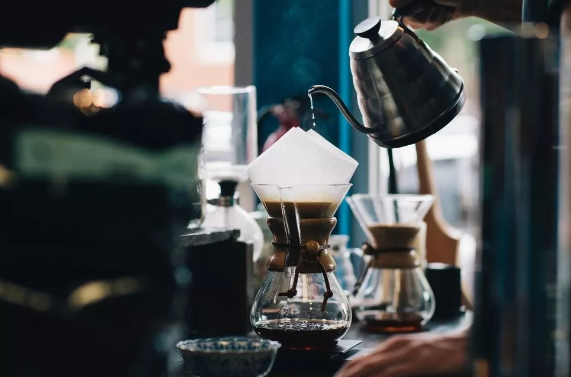
When choosing SOE, you can translate the flavor description on the package into brewing goals. Jasmine, citrus and tea-like notes mean cleanliness must be protected; berry, jam and tropical fruit notes usually require balancing extraction yield and concentration. Pour-over is responsible for stretching out the front and back ends of the aroma, while espresso presses the sweet-and-sour into a smaller liquid volume; the particle distribution and contact time each needs are not the same.
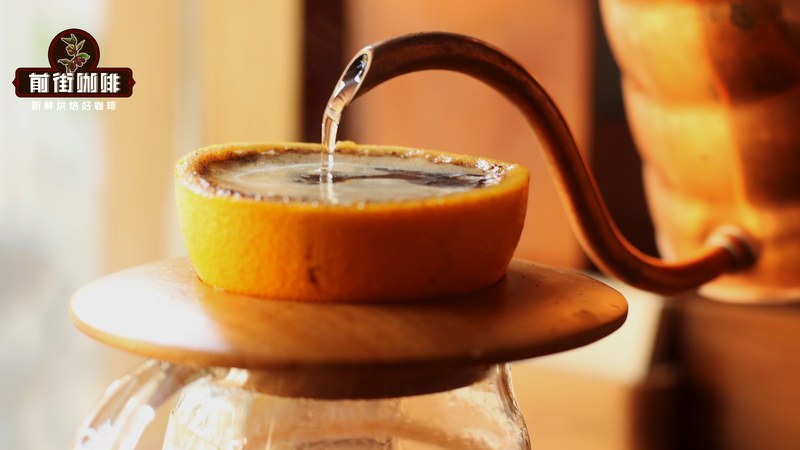
For Qianjie Panama Hacienda La Esmeralda Red Label Geisha, you can start with 15 g of grounds and 240 g of water, a water temperature of 92°C, medium-fine grind, a 30-second bloom followed by pouring in three stages, with total time controlled at 2 minutes 15 seconds to 2 minutes 40 seconds. In the cup, a jasmine-like rising aroma often appears first, followed by bergamot and bright citrus, and after it cools, a clear, elegant black-tea-like finish remains; this recipe focuses on evenness without excessive agitation.
If this Red Label Geisha brews with ample aroma but tastes thin, you can tighten the coffee-to-water ratio from 1:16 to 1:15 while keeping the grind unchanged, so sweetness and body increase together; if a tightening astringency appears in the finish, you can lower the water temperature to 90°C and make the final pour lighter. When the dripper flows quickly, going half a step finer on the grind makes it easier to maintain a clear profile than adding more pouring rounds.
Qianjie Finca El Granadero Geisha, a natural process coffee with a richer expression, is suited to presenting orange-blossom-like aroma and ripe-fruit sweetness separately. It is suggested to use 15 g of grounds and 225 g of water, a water temperature of 90 to 91°C, a slightly coarser grind than the Red Label recipe, and after blooming, two larger center pours. Guava and apricot form a rounded fleshy texture, and as the cup cools, a strawberry-jam-like sweet aroma becomes more concentrated.
For this type of bean with stronger fermentation and jam notes, there is no need to pursue more aroma through high temperature. If the entry tastes dull and heavy, you can increase the total water by 10 to 15 g, or change the final pour to a higher water level so the liquid flows a little faster; if there is only acidic aroma but a lack of sweetness, you can raise the temperature by 1°C and grind slightly finer. Judge by the aftertaste and whether the mouthfeel is clean, not just by total time.
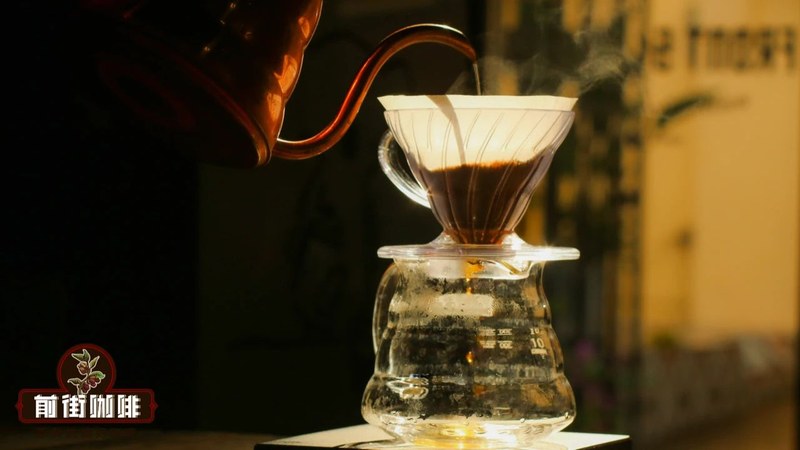
If you want to present a juicy-style SOE with an espresso machine, Qianjie Colombia Sidra is relatively intuitive. Its passionfruit character is striking, blueberry and grape-like sweet acidity easily form a full juicy feel in espresso, and the apricot note makes the finish softer. A double basket can hold 18 g of grounds, with a target liquid weight of 40 to 45 g, a water temperature of 92°C, completion in about 27 to 32 seconds, and brewing pressure set at 8 to 9 bar.
When making espresso with Sidra, do not chase only a slow flow rate in the grind. If the first stage drips very late and the later stage quickly becomes pale, it usually means part of the puck is obstructed; you can grind slightly coarser and improve distribution so the flow is continuous. If the entry is sharp like unripe fruit, you can increase the liquid weight by 3 to 5 g; if the berry aroma is suppressed by dry bitterness, then reduce the yield and lower the temperature by 1°C, with no need to raise pressure at will.
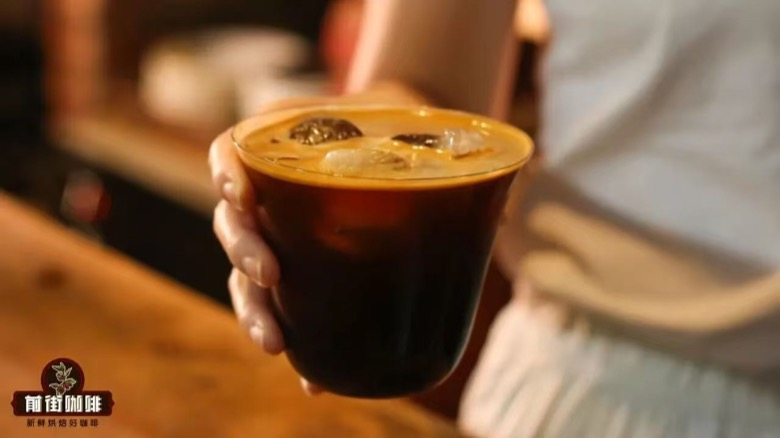
When using this Sidra for iced americano, you can let the espresso fall directly onto a small amount of ice, then top up with room-temperature water, reducing aroma closure caused by sudden chilling. If you want the passionfruit to be more vivid, you can extract 42 g of liquid from 18 g of grounds, paired with 80 to 100 g of water and 70 g of ice; if you want the grape sweetness to be more cohesive, then reduce the liquid weight to 36 to 38 g. Milk will soften part of the acidic aroma, and a smaller amount of milk better preserves its distinctiveness.
In choosing these three beans, you can see which kind of taste you want to train: Red Label Geisha is suited to observing floral aroma and tea-like finish, Finca El Granadero Geisha is suited to practicing control of the lushness of natural process beans, and Sidra can demonstrate how juicy-style flavors change in espresso and iced drinks. Each time, record the dose, liquid weight, temperature and time, and write down where sweetness appears; after a few rounds, you can establish a reproducible recipe for your own grinder and water.
Related Reading
Comments (0)
Loading comments...
You May Be Interested


Trending Reviews
Popular Videos

With you, wherever you are! We provide useful features to help you find new things you'll love






